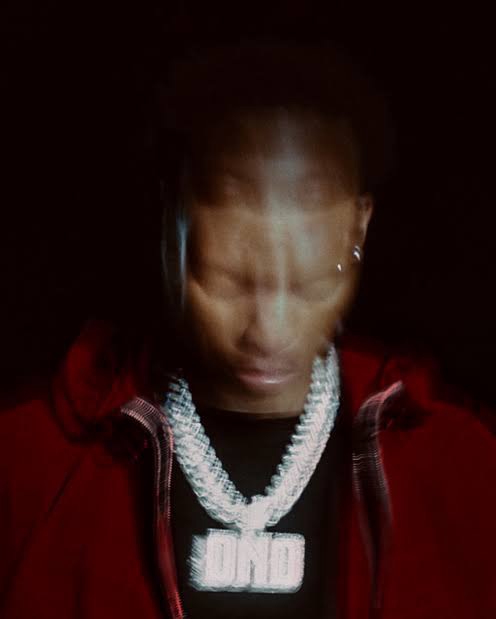
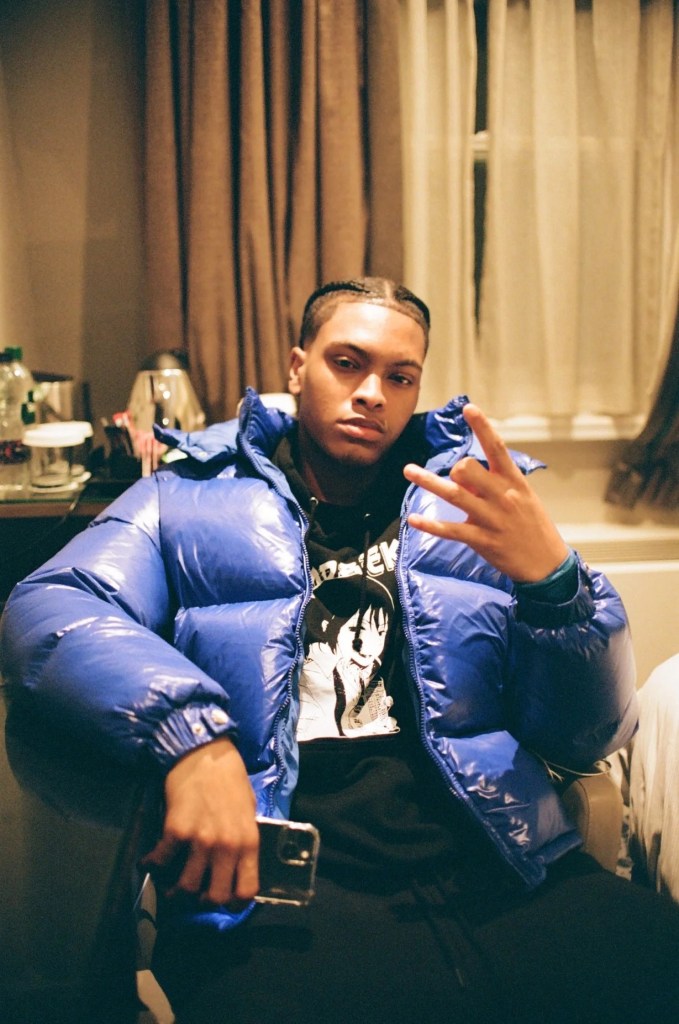
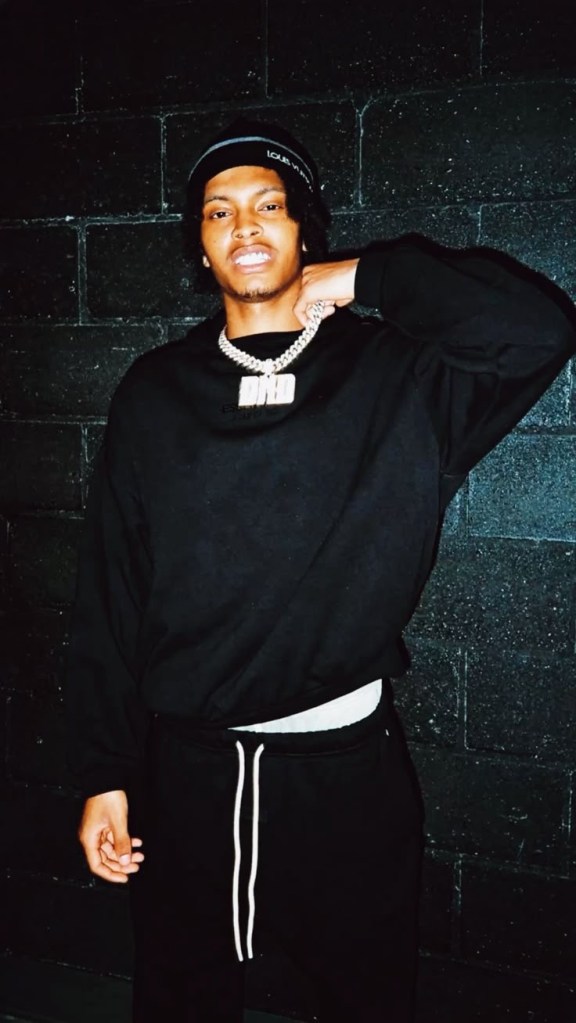
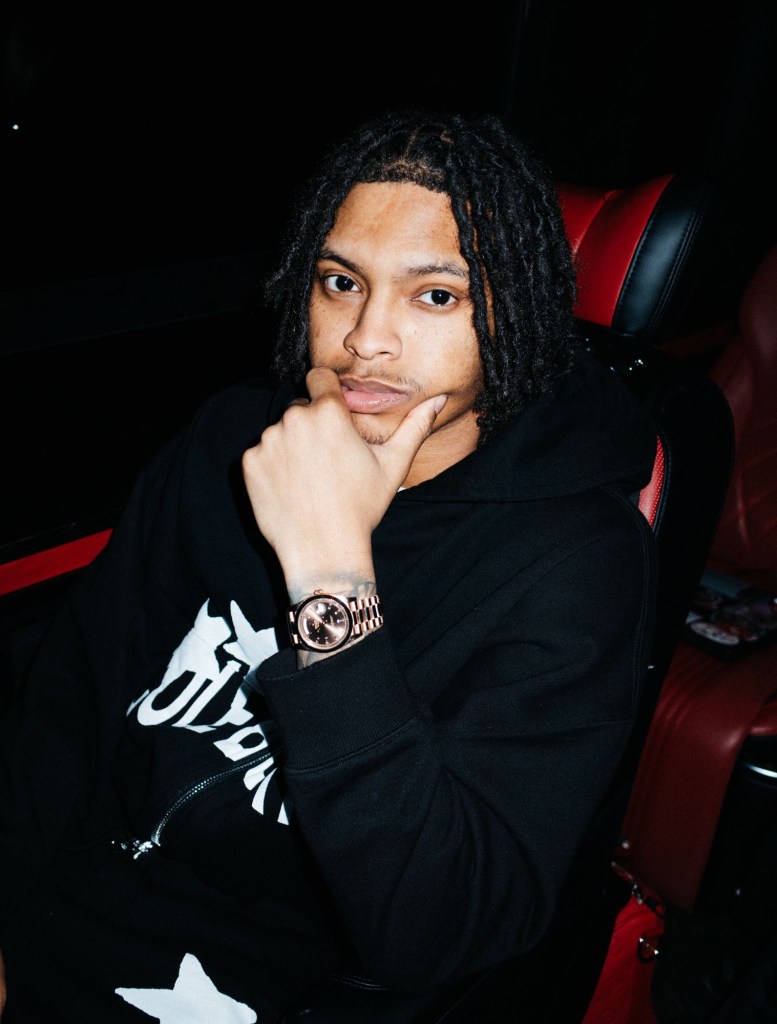
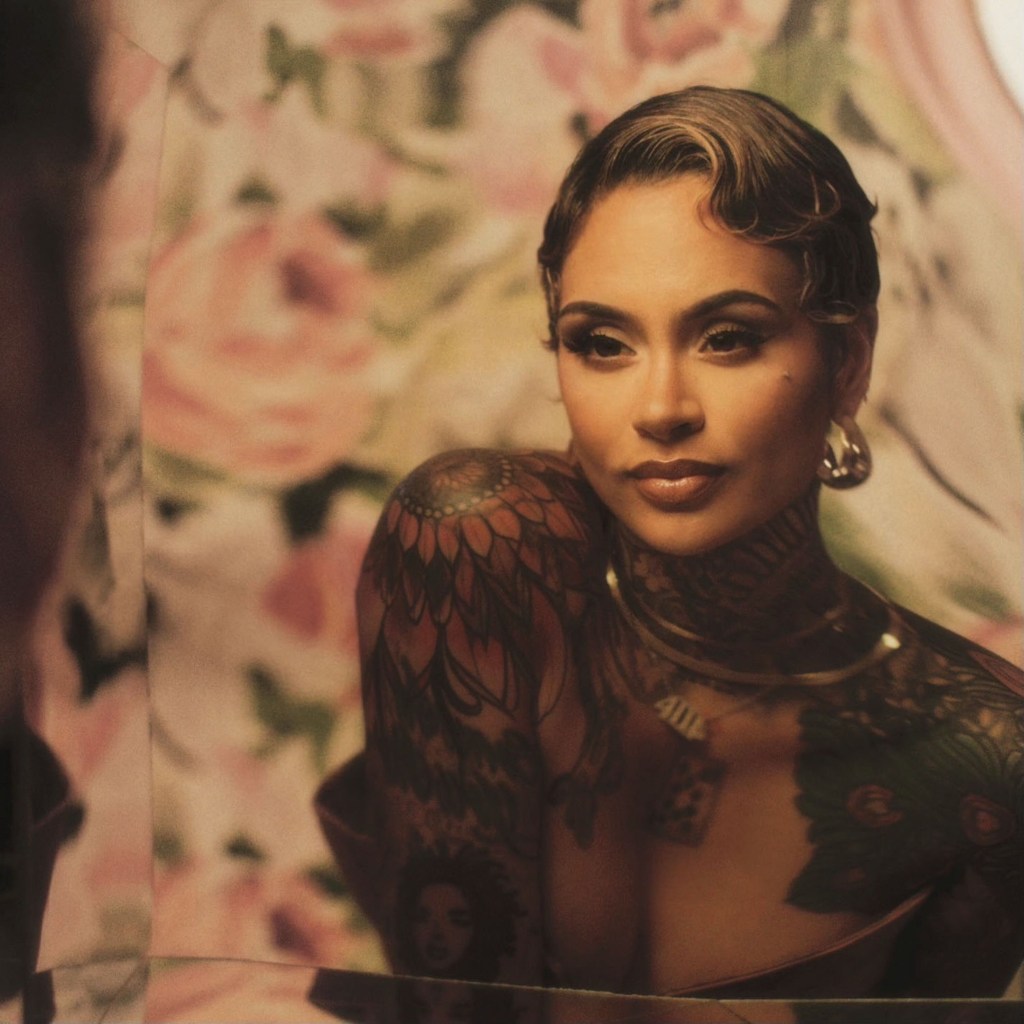
Nemzzz has reached that exciting stage where confidence starts shaping the music as much as talent does. On Locked In, the Manchester rapper sounds comfortable with his voice, his taste and the world he is building around himself. UK drill remains the foundation, but the sound has picked up more flavour along the way. There’s soul, romance, luxury, flirtation and plenty of hunger. Nemzzz has essentially swagified drill.
That maturation comes through in how easily he moves between moods. The cold drums and heavy bass still knock, but Nemzzz carries himself differently over them now. His delivery feels relaxed and assured, leaving enough room for the production to breathe. Soul samples peek through in unexpected places, melodies soften some of the harder edges, and the whole project carries a youthful bounce that makes ambition sound fun.
The title tells you plenty about where his head is. Locked In lives in that hustle mindstate. Money, progression, focus and the next level are constantly circling his thoughts. There’s an urgency to the way he talks about success, like every achievement has already created another target.
“EXPANSION” catches him deep in that pocket. Nemzzz rocks over the beat with purpose, sounding hungry while enjoying the view from where the work has already taken him. The song carries the energy of someone watching his world get bigger and responding by working even harder. That feeling runs throughout the album. Success has given him confidence without killing the hunger.
“GASS” with Travis Scott takes the project onto a bigger stage. The exciting part is hearing Travis enter the world Nemzzz has created. The bounce stays rooted in the UK and Travis bends his presence around it, bringing his psychedelic ad-libs and superstar energy into Nemzzz’s terrain. Nemzzz holds his own comfortably. The chemistry makes the collaboration feel natural, and Travis sounds like he’s enjoying the chance to play inside a different rhythmic language.
There’s something powerful about that exchange. UK rap has reached a place where its biggest young artists can invite global stars into their sound without reshaping the room for them. Nemzzz carries that confidence naturally. Manchester remains audible even when Houston pulls up.
“TRICK” with Cash Cobain finds another sweet spot entirely. Cash has mastered that hazy, flirtatious New York sound where drill drums meet R&B energy, and Nemzzz slides beautifully into that sexy drill pocket. Their laid-back deliveries complement each other, creating music that feels equally suited to the function and the late-night drive home.
That side of Nemzzz becomes even more pronounced with Latto on “OK.” His lover-boy bag is open here. The record is smooth, sexy and playful, giving him space to flirt without losing the coolness that anchors his music. Latto brings the sensual confidence she does so well, raising the temperature of the song immediately. Their energies meet somewhere between drill, rap and R&B.
That romantic streak adds another dimension to Nemzzz. He sounds increasingly comfortable talking about attraction and relationships alongside money and ambition. There’s a natural charm to the way he approaches those records, especially because he never overplays the moment. The same relaxed delivery that works on harder beats becomes even smoother when the production gets warmer.
That adaptability gives the project its personality. Travis Scott, Cash Cobain, Latto, Lil Yachty and Tunde all arrive carrying distinct musical identities, while Nemzzz remains the centre of gravity. Each collaboration opens another door in his sound. Houston psychedelia, New York sexy drill and Atlanta swagger can all sit alongside Manchester without the project feeling scattered.
The soul samples help stitch everything together. They appear like little flashes of warmth behind the drums, adding character without turning the album into some grand exercise in nostalgia. Nemzzz belongs firmly to the present. His songs are short, immediate and built around instinct. The music understands how his generation listens while still leaving enough detail for certain moments to stick.
That youthful aggression might be the most infectious thing about the project. Nemzzz sounds like someone enjoying the rewards while remaining obsessed with progression. There’s money to make, places to go, women to meet, records to cut and another level waiting somewhere ahead.
You can hear his world expanding in real time. The Manchester kid who came through floating over sparse drill production now has enough command of his sound to stretch it into different spaces. The genre can go from knocking to flirting. The project carries hard soul and sits comfortably on the balance of lyrical wit, charm, street and swag.
Nemzzz has found the swagger and hustle in his world. And on LOCKED IN, he wears it well.
As a 32, turning 33, year old I believe myself to be big brother but with the younger generations and to the kids I guess I’m uncle aka malume aka unc and honestly, I’m cool with that. IT’s a new day and age and some terms have been shifted and new terms being made every day. One terminology that I don’t love and hate to see is hate watching and I believe we should all hate it and I’ll explain why.
Now if you’ve never heard of the term, ‘hate-watching’, before it’s pretty self-explanatory. Hate-watching is when you purposefully watch someone, a team, a performance, a movie etc. with the sole mission of hating on it and hoping for the worst outcome for said person, team or whatever it is that you are watching. At first it makes sense and is deeply relatable to everyone. Who hasn’t had some stored-up feelings whether it be jealousy, envy, anger, hate, betrayal, being snubbed or robbed, underserving of, you know feelings of someone or something that is achieving or celebrating something that you thought they didn’t necessarily earn or deserve? We’re all humans, right? It’s okay for us to have and feel these emotions. What’s not okay is letting these emotions run to the point where they control us and our actions.
It sounds dramatic at first but have you ever been around a group of friends and everyone is talking about the upcoming basketball/football/tennis or whatever sport match and you hear someone say, “I’m just watching to see *insert team here* lose.”, and in your head you’re like, “What?!?!”, you’re watching the sport with the pure intention of hating and praying on another team’s downfall instead of just watching because you love the sport and hoping to see a really great game between two exciting teams? A better example would be in the music world, more specifically in the Hip-Hop culture. If we look 3 years back to the great Kendrick Lamar and Drake beef when the two rappers were battling against each other in front of the whole world, it was a great time but the aftermath that came was horrible for the culture of fans. Whenever one of these artists drops now, instead of, “Hey, I’m excited to listen to this new album.”, we’re hearing more, “Oh they just dropped? I can’t wait to listen to how trash this album is.”, or, “Oh he dropped, I’m not even giving it a listen.”.
Kendrick Lamar & Drake fans took hate-watching into hate-listening
We’re at the point where our hate is overriding our love and it’s not just stuck to sports and music. Movies, TV, people, I believe even animals are catching the smoke as well. I don’t know when or where it started exactly but I hate to see it. I know the irony. The reason why I hate it is because when you take away the love from watching something you love or enjoy you take away the beauty of it and your sense of being able to appreciate the diversity and variety that that one thing you love and enjoy can bring to you. We get so caught up in hate watching that we talk all about the negatives of a team or person or art form. We get the background stories and lore of why we should hate one team or person but rarely do we hear why we should be supporting and loving the other team they are up against.
I mean even on the team being hated on, I stop and ask myself, “Okay but if they’re here in this position for you to hate on them they surely must be great at some aspect of the thing we’re watching?”, or maybe it’s just me and I’m the crazy one. I remember back in high school when Manchester United was on top and reigning. Did people hate the Manchester United fan base and their egos? Yes. Did people hate see Manchester United winning multiple titles? Yes. Did people still tune-in to watch Manchester United because they could appreciate the football they played and the greatness of the players that were playing on that team? Yes. It felt back then that you could not be in support of a team but there wasn’t this hate-watching of tuning in to pray on their downfall but tuning in to catch a beautiful game of football and that the opposing team would play an amazing enough of a game to defeat Manchester United.
It was love watching. Watching for the love of the game. Investing into teams and players, hoping that they would get better to beat the ones on top and which just led to hoping for the sport in itself to grow holistically and produce better performances and games for us to view and participate in. With music you’d able to listen to your favourite artist’s rival and appreciate they made an amazing body of work that touched other the ears and hearts of the masses and because of that it would make you want to support and cheer your favourite artist to make a project just as amazing if not better than the rival’s. It wasn’t praying that we get sh*tty music from people because if we are all praying that the people, we don’t like release bad music then how does music grow and how do we get a wide range of great music?
Max Verstappen someone the whole of F1 tuned in to hate-watch
For me hate is the removal of love and once you remove love from the equation of anything it starts to lead to its downfall. Do we not want to see great movies, tv series, music, sports team and players all around? If we keep sh*tting on each other when do we have time to appreciate and uplift all the good and great that is being done around us. You think you’re hate watching but the hate is blinding you from seeing and living in the greatness of our time. Put the hate down and just do it for the love of it. Love is free but all this hating is going to cost us and rob us of our joy and I truly hate to see it.
They told us we could run for president and government but then they locked us out so the hunger to run wasn’t satisfied and just kept growing to the point we couldn’t run from it anymore and started running for it. We started running so much that it started becoming a groove. The run clubs were born and have not stopped since then and we are in desperate need of some condoms, birth control or a plan B to all these run clubs because at some point, we have to stop. Where’s the finish line and what is it?
I know the first reason people point to is the health factor of it but then why not a health club where we exchange different meal ideas, exercises, tips and tricks, activities and etc. It feels like really, we are just running looking for community and instead of taking time to research, invest in and build these communities, people just see the easy trend happening and create communities around that. I have no problem with running but just the mass run club movement and I don’t really know why because it isn’t hurting anyone but there are just too many run clubs.
If we’re talking health and physical activities then I’d rather any sport club; basketball, volleyball, netball, hockey, football, table tennis, tennis, rugby, cricket, etc. Then you the cultural clubs like chess, book clubs, movie clubs, art clubs, food clubs, gaming clubs, and I’m sure there are many more. I would hope that there are some out there in South Africa and if not, then hopefully this can be a call to show much they are needed. Having a hobby is a great thing. It’s a privilege and it’s a privilege that I would like us to explore to the max because these social clubs open new doorways, opportunities and perceptions to life and what one can be. A simple chess club could inspire someone to want to be the greatest grandmaster of all time. A monthly book club inspire the next great author of a generation. These are the spaces where we don’t just learn new skills, interest and introspection but we learn to socialise, create new bonds and relationships and learn ourselves through interacting with others.
Joburg Chess Club Takes Place Every Wednesday From 17:00 at Good Omens in Melville
Now not to say that you can’t get any of this from a run club. I also do understand the safety benefits of being in a run club and running in a group together. Stronger together than alone and rather safe than sorry. It’s just that when you look at our country and how much diversity we have to offer as a people, I find it strange that we don’t see that in the offerings of these social clubs. With sports it’s different, as I listed in the previous paragraph, there is a wide variety of sports even if the sport is niche. Did you know South Africa has an NFL Flag Football League and national team? For those who don’t know the NFL stands for National Football League and is the official league and governing body for American Football. Sorry for the tangent but the point is that no matter how niche the subject may be, there will be a community for it in this diverse country of ours.
Yes, running is a physical activity and a sport but I don’t believe people join the club for that component of it but more so the social component. As mentioned above it does provide safety for many which in itself builds a community and then post-run coffees, beverages and lunches allows for the members to socialise and get to build deeper bonds and connections with others. For those reasons, I see it more in the sports club space rather than with your chess clubs, book clubs, movie clubs, games club (where we play different board and card clubs every month), food clubs (where people come share recipes and meals), and whatever other clubs that can provide the home and foundation for a community to be able live, grow and build.
You see when I break it down for you, there’s no hate or malice in my heart for run clubs but just the lack of creativity we are seeing in how we are choosing to look and build communities outside of groove and entertainment spaces. I think about how we talk about as young black South Africans we don’t know our history enough but if there was a history club that had different topics monthly and met-up weekly to discuss and dissect these topics it might make it easier for people to learn and discover because doing all the research alone might feel overwhelming for anybody. Political clubs where we can learn how parliament works and have mock cabinet sessions and debates. Debate clubs, theatre clubs (where people get together to conceptualise and put together plays), improv clubs and the more I think of the diversity and possibilities in our country the more I just see more we can be doing for ourselves.
I know that it’s always easier said than done because these clubs just aren’t built off a whim and a wish but it needs people with the passion, dedication and love to make it happen. The administrative responsibilities and duties are no joke and especially when everyone is looking at you to be the foundation and glue that keeps everything together. They say build it and they shall come but how do they once it has been built and that it’s open to all to join. Yes, it is hard work and a fight but I surely believe it is worth the cause and should we come together we could unlock so many possibilities for ourselves. I’m down to try anything and everything but please…NOT ANOTHER RUN CLUB!!!
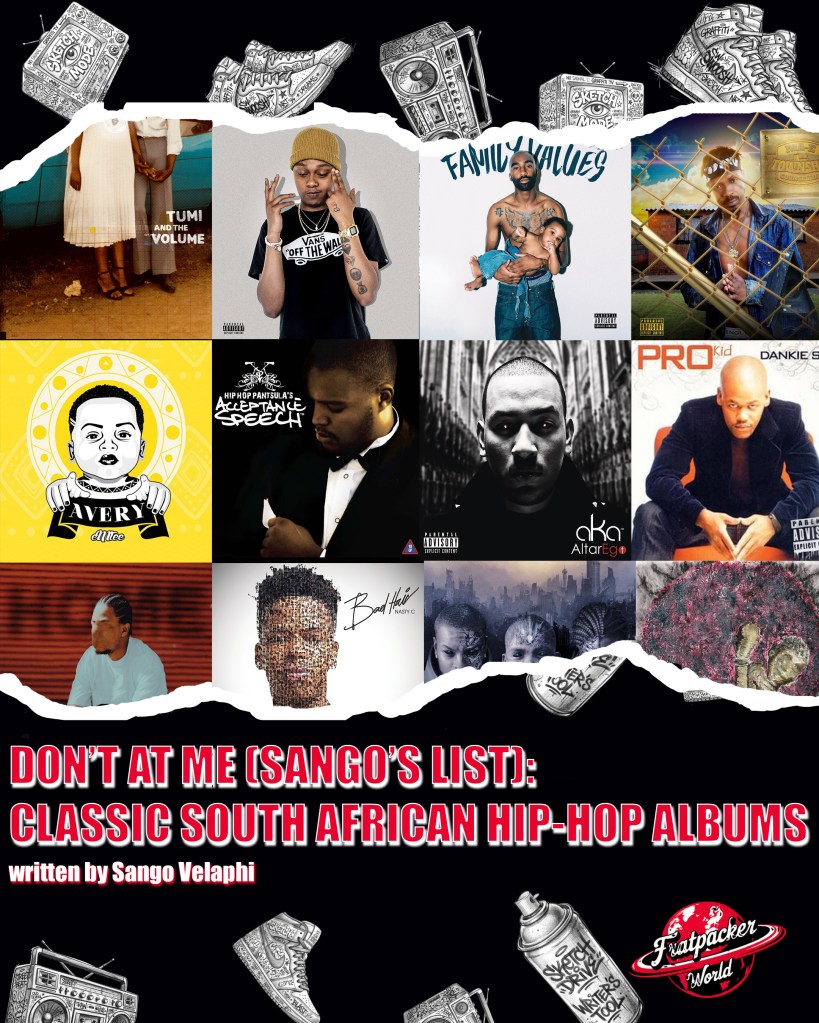
It doesn’t matter the year, the generation, the genre, the artist or the culture. One thing that will always have people in arms and debates is what we consider to be a classic. Whether we’re talking TV shows, movies, paintings, clothes, sports stars or even cartoons, these debates always someone how turn into life long arguments. It’s worse in the Hip-Hop culture where the music has been so scrutinised by fans, artists, journalists, media and even those outside of the culture. With Hip-Hop it feels personal and especially if we talking South African Hip-Hop.
Well, I’m about to get really personal with it and give you a list of what I consider to be Classic South African Hip-Hop Albums. I need us all to pay attention to that heading because we’re talking albums; not Eps or mixtapes, and we’re talking Hip-Hop; not RnB or Alternative or Neo-Soul. Now before we go into my list, I’m of a belief that these conversations should always be led with the criteria that was used as the rating system. I’m not going to get into the exact specifics of the criteria but I was looking at the musicality, lyricism, impact (not just music wise but culturally), playback value, popularity, tracklist length, how many skippable songs, longevity (5 years minimum to qualify) and some personal bias. Since that’s out the way let’s begin and to note the list is in alphabetically order according to the name of the artist.
SANGO’s SOUTH AFRICAN HIP-HOP CLASSICS
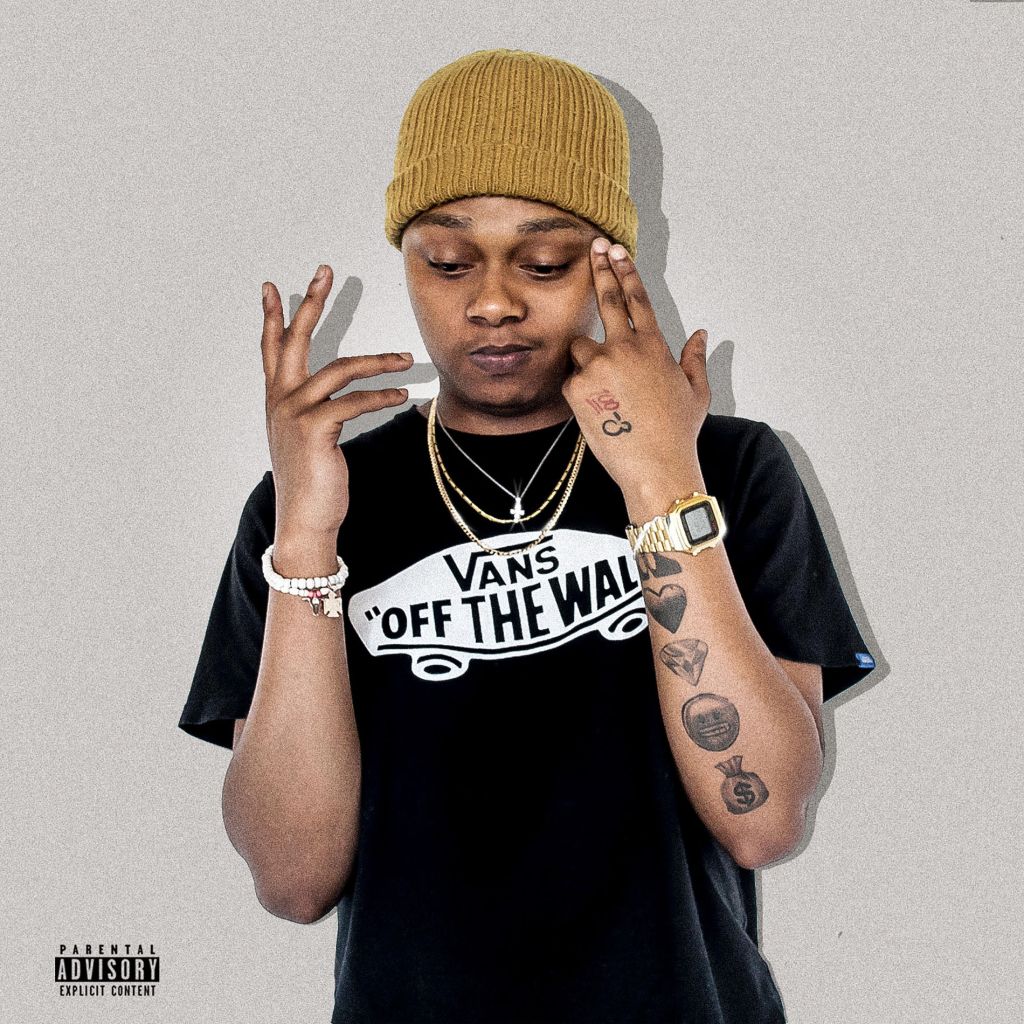
A-REECE – FROM ME TO YOU ONLY A shift in culture. There aren’t many people who you can put this phrase next to but with this album, that’s exactly what A-Reece had done. He had made a shift in culture. Coming off the deal with Ambitiouz Records and the Paradise album, that had gained national popularity for its production, which played more to the South African traditional sonics. That’s why when he went independent and dropped this heavy hip-hop, lo-fi, boom bap with elite lyricism-laced 15-track album it was a huge culture shock. It seemed like it took A-Reece from the poster boy kid to the man with a new perception of reality. It set the new standard of what is considered lyrical and real hip-hop in South Africa.
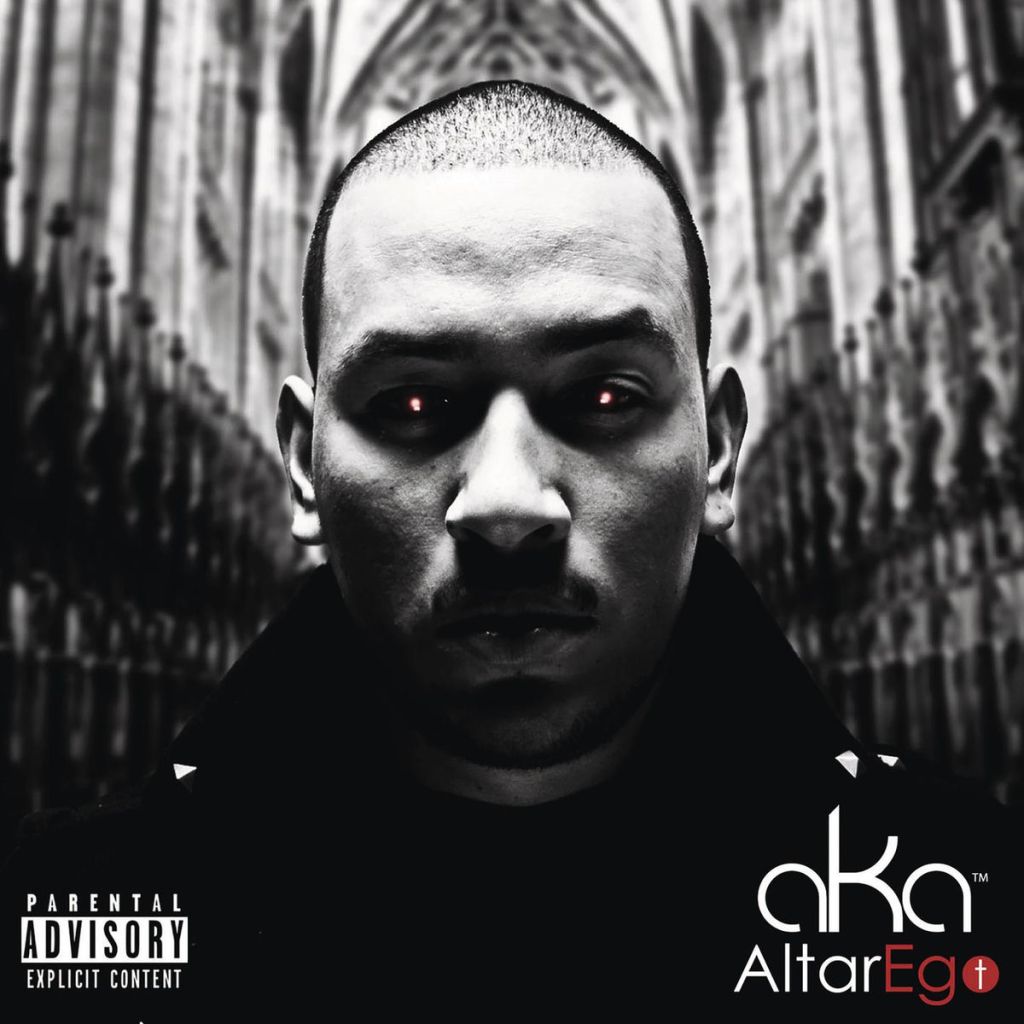
AKA – ALTAR EGO Kiern Forbes, also known as AKA, dropped this banger of a classic on the 23rd of August 2011. Know there is some mad personal bias over here because this was during my matric final exams so that feeling of, you’re about to end one chapter of your life going into another and then AKA drops a banger of an album that has hits like Bang, Big 5, Mistakes, Victory Lap, I Want It All, All I Know, High School Cool & Ladies Is Pimp Too. Then he still had great album cuts like When I’m Gone & Snakes & Ladders. One critique I do have of it is the skit count. The album is an 18-track project with 5 of the tracks being skits and one bonus record being the Victory Lap Remix, so really its more like a 12/13 track album. This was the first South African non-vernacular Hip-Hop album to reach the level of stardom and accolades that it did and shifted the culture of South African Hip-Hop. It took it from underground to mainstream in a big way and destigmatised the “n*gga n*gga” mockery. Definitely can’t speak about South African Hip-Hop without speaking about Altar Ego. This was probably the last time we heard AKA rap-rap.
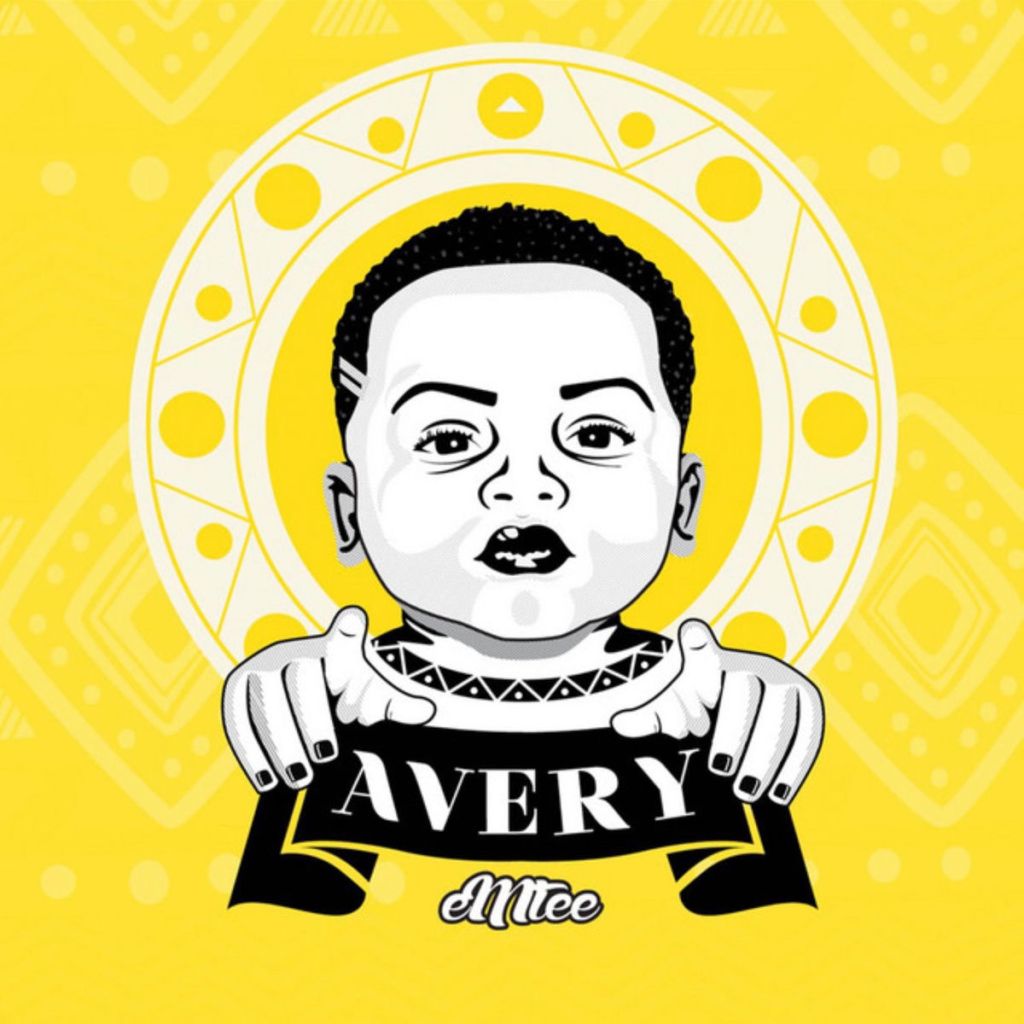
EMTEE – AVERY To start off with, it’s a lengthy album of 18 tracks that add up to 73mins (1hour 13mins) and makes for a long listen but it’s worth it because this is what I consider the first South African Trap album and it set the standard and bar so high for trap music in South Africa that the impact and influence can be felt until this day. I don’t think we get a BrotherKupa without Avery. What this album did in South Africa is what Tha Carter 3 did in the United States of America and for generations to follow. The real-life street content with environment-based lyricism mixed with introspection, ambition and real stories combined with the 808s and melodic rap flows really took the country by storm and showed us a new side of South African Hip-Hop that has now become to be a staple in the culture.
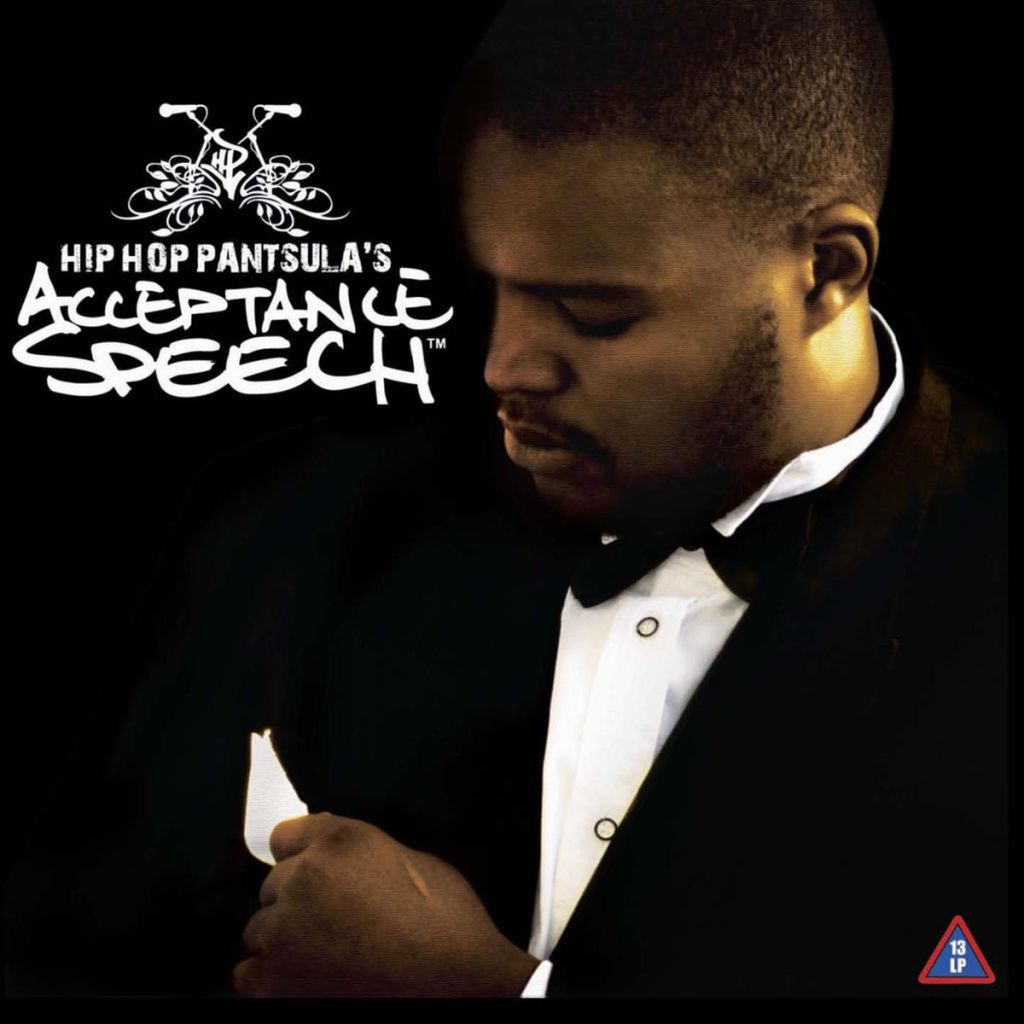
HIP-HOP PANTSULA – ACCEPTANCE SPEECH Without HHP (Hip-Hop Pantsula) there is no Motswako. Motswako for those who don’t know is a sub-genre of South African Hip-Hop that comes from the fusion of boom-bap mixed with Sesotho and Setswana music. That’s where the name comes from because Motswako means mixture/fusion. When HHP dropped this beauty in 2009 it put a whole culture and community on to the national level. Everyone was thinking that South African Hip-Hop was either being carried by Johannesburg, Cape Town or Durban with no-one really paying attention to the North-West and then HHP brought in the Music N Lights and the spotlight was bright and shining across the country. His story-telling mixed with the funky and jiggy feel of the sonics made the perfect combination of rappity raps and feel-good dance music. You didn’t even really have to understand him to understand the message but the, music was so good that it made you want to understand and I believe help spread the popularity of Sesotho & Setswana in the country and what you could consider the building blocks of Spitori.
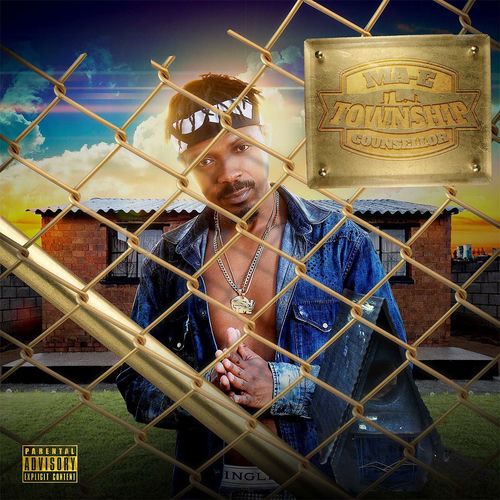
MA-E – TOWNSHIP COUNSSELLOR Now, this has nothing to do with the recent controversy related to Ma-E but I am glad that it did bring attention to the career and music of Ma-E because I’ve said since 2015 when it dropped that Township Counsellor is a classic album and one of the most underrated albums in South African Hip-Hop history. This album felt like the rebirth and evolution of Kwaito. If the Americans have West Coast rap, this is what would be the South African version of that with the smooth beats that still have that dark gangster feel and Ma-E with the witty lines, stories and chilled out bars and flow that has you cruising through the whole album. 15 tracks of just pure cool, chill raps with that OG touch and feel. I really believe this album is undeniable.
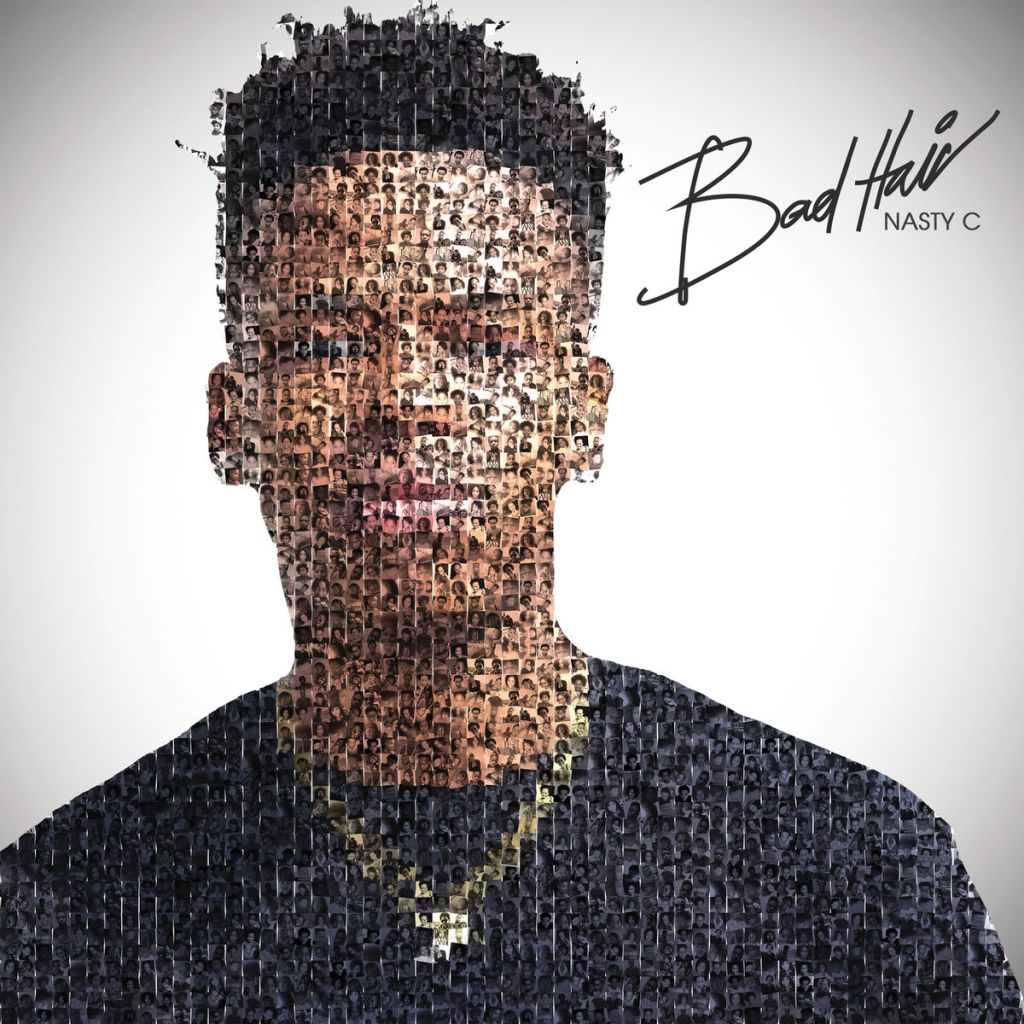
NASTY-C – BAD HAIR I know the majority will disagree with me and would rather I put Strings & Bling but I just can’t because I don’t feel it’s a classic. Bad Hair on the other hand was the first time that we as a country could see a rapper not just as a global rap star but popstar as well. It had a great blend of raps, r&b, melodies, song writing and storytelling that made it feel like it was more than just palatable to the majority but a tasteful and delicious meal that left us satisfied and wanting more. With so much expectation after the Price City mixtape, Nasty C was able to take his artistry and musicality to a new level. I know this album was it because it had us looking for Telleman and Erick Rush afterwards. He was able to put on the whole of Tall Racks Record with this one. Hits like Phases & Good Girls and Snapchat H*es just do something to me man. I mean it was so good I even bought the deluxe BAD HAIR EXTENTSIONS. While we here, I bought about 90% of these album physical so trust me, I know what I’m talking about. Sorry, not sorry.
PRIDDY UGLY – SOIL I’m here for the bars and nothing else. At a time when South Africa rap was stepping away from the art of lyricism in rap, Priddy Ugly came with a cape not only to save the artform but as well save his reputation as an elite MC and artist after the stint at Ambitiouz Records didn’t go as planned. It felt like a man with a point to prove and not to us but to himself. The point that he can be one of the best rappers ever by dropping one of the best rap albums ever and points were made. The 10-track album is just perfect and there’s nothing more you could have asked from him after this.
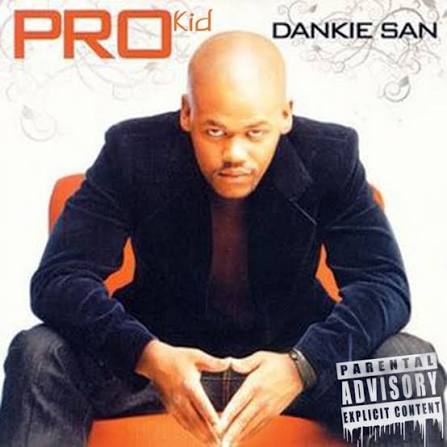
PRO KID – DANKIE SAN I’ve spoken about how in the past hip-hop and rappers were seen as wanting to be American or wasn’t really accepted by the people of the townships and kasi’s but there are moments and people who added to the change of perception in South Africa and especially in the townships and kasi’s which helped it grow and take over the nation. One of those moments and people is Pro Kid and his album Dankie San. This album didn’t just change the perception of those living in the “hood” in South Africa but it also changed the perception of the people living in the city and suburbs. It showed a world that the township and kasi can adapt and add new sounds and culture into their own. Pro Kid showed that it’s not just all “Kasi Rap” with punchlines and setup bars but that they are also able to play with lyricism, metaphors and storytelling. He was able to make the first perfect mixture of Kwaito meets Hip-Hop. The kasi dude and his one best friend from the ‘burbs. That’s what it felt like. It takes a special level of talent and music to be able to bring two worlds together whilst still showing them how separate and different they are. A magical talent and lyricist, and this body of work tells it all.
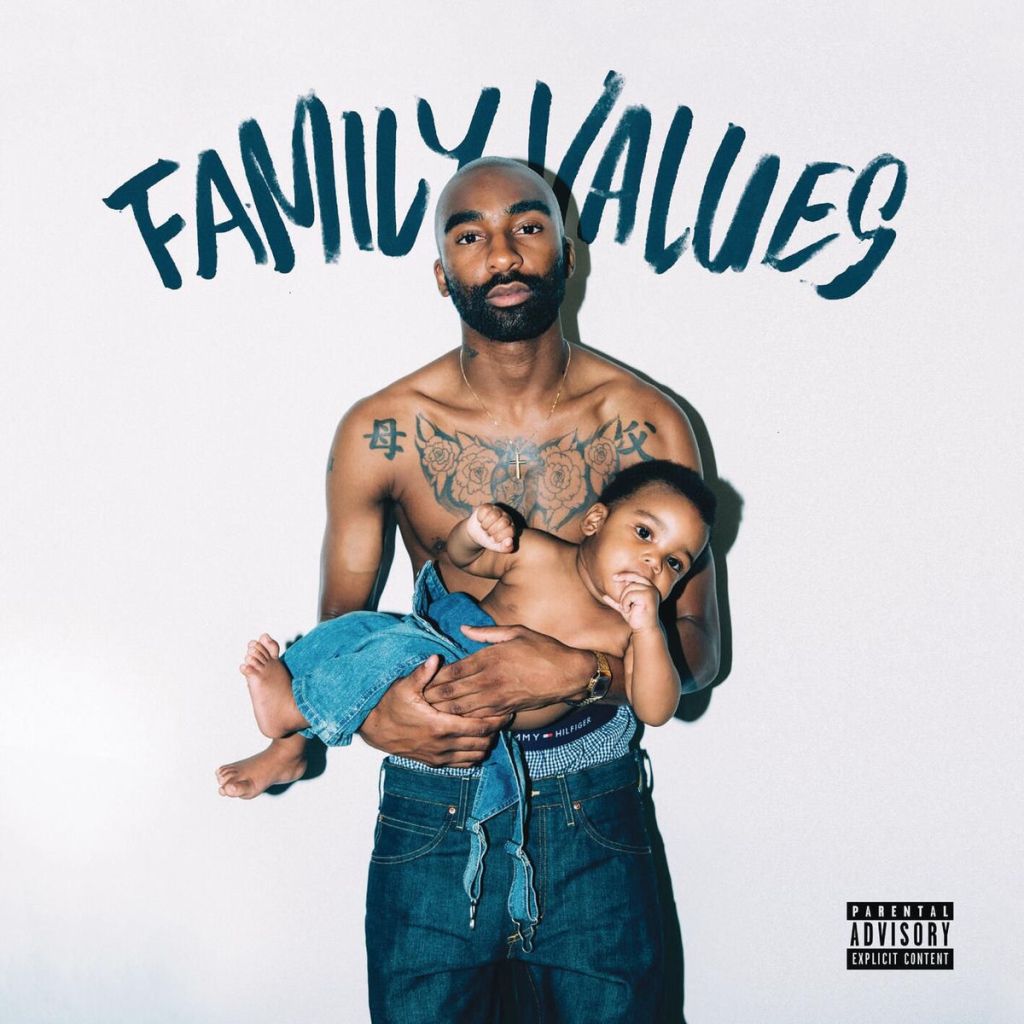
RIKY RICK – FAMILY VALUES If I’m being honest, I don’t know if I would consider this a classic if I was making a subjective list but when we talk cultural phenomenon’s there’s nothing that holds against Riky Rick’s Family Matters. I mean the bangers on there were so hard that we started calling him Boss Zonke with no questions asked. The real reason why I feel this has to be on the list because only Lauren Hill has been able to drop one album (if we’re not counting the Fugees) and make a career off of it and not be questioned on her status in the game. Granted Riky did give us the Shining EP but besides that we didn’t even think we would get another Riky Rick album and the impact it has had on the generations to come is just indescribable. It can’t be left off the list.
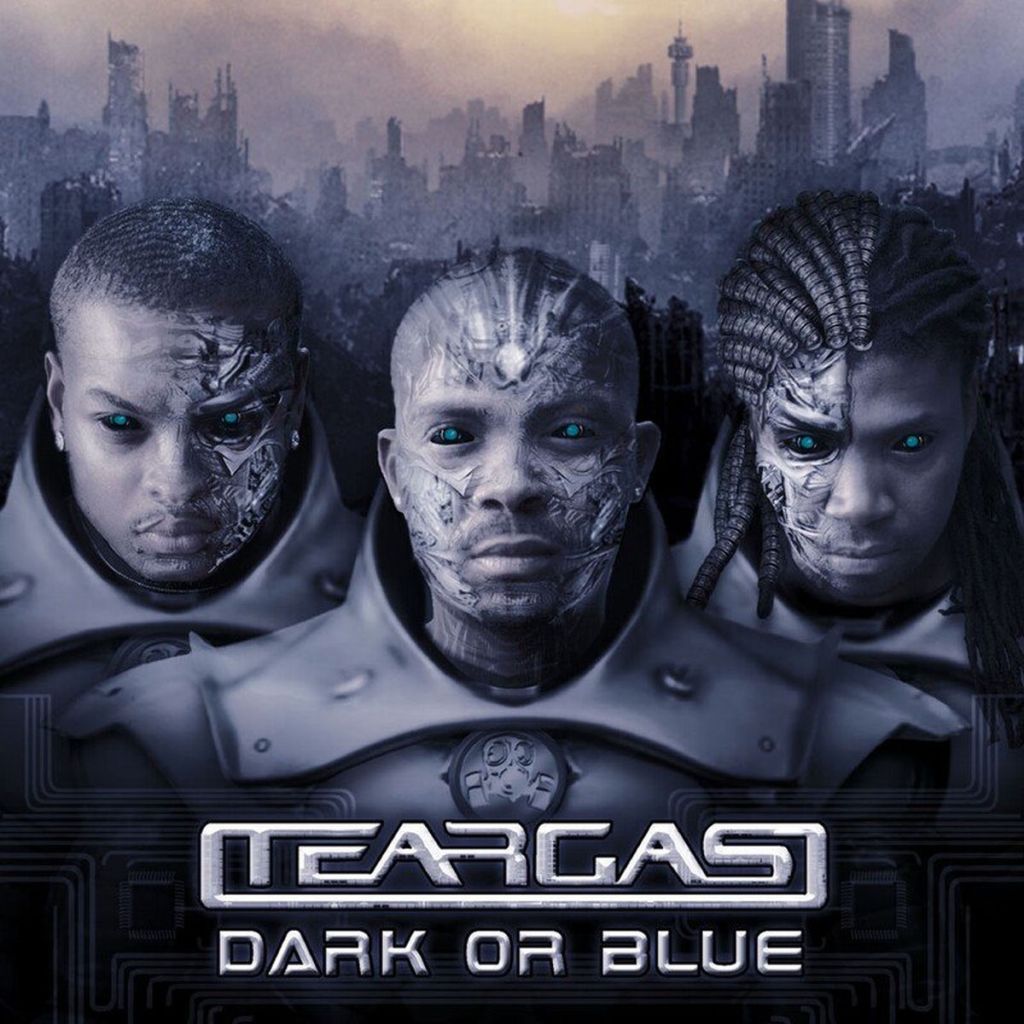
TEARGAS – DARK OR BLUE Dare I say that Teargas is the greatest South African Hip-Hop group of all time? Well, I believe so and it’s because of this album. This was the album that first showed me what Kwaito/RnB could look and sound like. This took the townships and kasi’s from the regular old narrative of gangsters, dealers and thieves and turned it into poetry that was soft, vulnerable and fragile. It gave a different perspective into the lives of those living in the townships and that it’s not that it made them hard but rather stole all the soft parts of them, leaving them with no other option but to be hard. I also believe that there always has to be a group album on a classic list because group work is difficult and if I’m picking a group as a representative then Teargas is it and what better body of work to present as evidence than Dark or Blue.
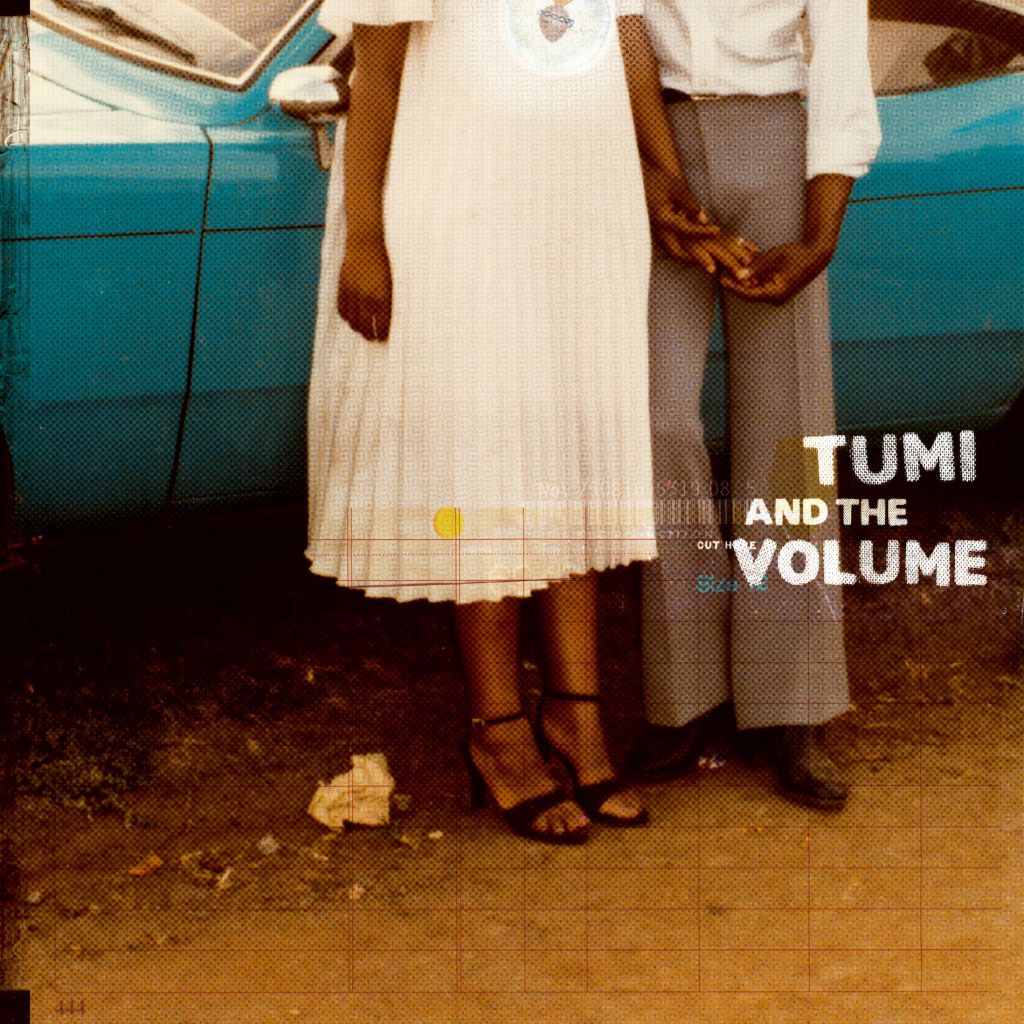
Tumi & The Volume – Tumi & The Volume In a time where it was the popular joke or stance to ridicule and mock South African Hip-Hop. Tumi & The Volume came to stand as a beacon and foundation to the culture and its people that, “No matter what they say or do. This thing of ours is ours and they will never be able to take that away from us. We will fight for it and die for it.”, which speaks to the lyricism, storytelling and content on this album. Just because it was in English doesn’t mean they weren’t telling the pain, struggles, joys, victories, happiness and sadness of our mothers, fathers, sisters, brothers, uncles, aunts, cousins, friends and ancestors. With Apartheid as the background and Nelson Mandela’s Rainbow Nation as the goal, this album takes on the journey of the in-between, unspoken and unseen. You have legendary band 340ml joining forces with a God-level emcee in Tumi Molekane and you birth a musical marvel. This album shaped me in so many ways and showed me that there are people who care about the music, message, country, people, art form and hip-hop. It made me believe that we have the power because we are the power.
Tyson Sybateli – Home Look, first things first, I know this album doesn’t qualify because it only turns 5 next year April but every time I listen to this album (and trust me I listen to this album a lot) I just can’t help but think, “Wow, what a perfect album. A master piece.”. Home really is just that damn good and the impact it had on the culture, especially coming out of COVID-19 Lockdown and everyone being more critical of music and what is being feed to us. Tyson came and made a name for himself instantly flipping the whole game upside down. From the rollouts to the production everything was to the tee. The features, the old-school feel of Hip-Hop and R&B. Like he had actual singers singing on the hooks while he just provides the bars and the bars varied from smooth, witty, lyrical, braggadocious and just plain funny. With lines like, “My b*tch bad like mixed veg flavoured anything.”, it had the whole country in relation and people making their own renditions of how bad their b*tch is. With songs such as; The Standard, House, Handout, Home & Away Games, Chauncy II, Homecoming, Riddle Me, Places; I’m actually going to stop because I’ll just be listing the whole album. I have no doubt that this is an undeniable classic and soon as it turns 5, we have no reason not to have it in this conversation.
Now, when I made this listen, it wasn’t to act as if I have the superior opinion or the most ball knowledge in South Africa but rather to start the conversation of what we think a classic album is and which of those we feel belong in the conversation. It’s extremely difficult for any artist to have 1 album that majority can agree is a classic and not just a cult classic. Having 2 is like God-level. With that said I do feel like most of the albums here are debut albums because this is when the artists are just being themselves and giving out their ideas and executions how they feel and see fit. I think once the popularity, fame and fortunate comes there is a pressure to do the things that the public wants in order to keep that commercial success or acclaim but never really works out because we wanted the music you make. Not the music that you think we want you to make. Anyways this was fun to write and hope you enjoy. Let me know if you f*ck with the list or nah.
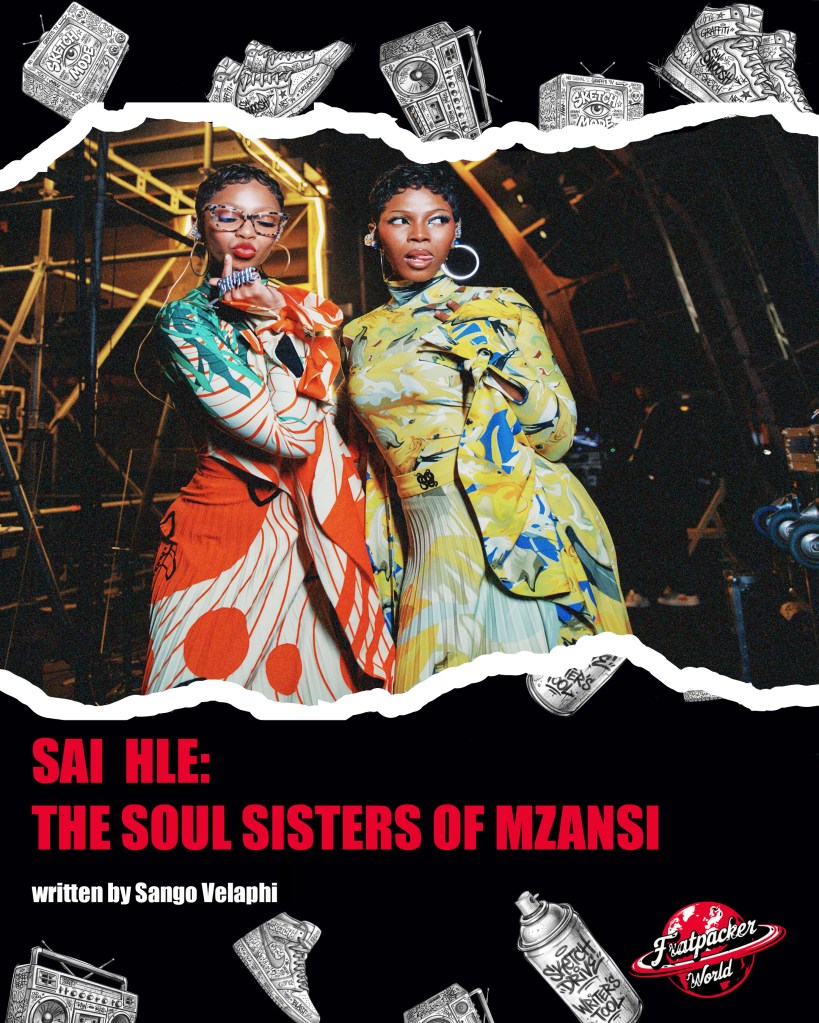
They say, “Two heads are better than one.”, and in this case I believe the same applies with angelic voices. As South Africans we love music, vocalists and a nation who has a deep love and cultural respect for family. With this in mind it feels like this duet ticks all the boxes for becoming the next superstars to hit the music scene, stages and our screens, and I have every reason to believe that will be happening sooner than later. If you don’t know who I’m talking about it’s sister duo Sai Hle.
SAI HLE is a South African sister duo, Siphosethu (SAI) and Amahle (HLE) Koom. Born in Gqeberha and raised in Johannesburg, they are singers, songwriters and performers whose music moves between Amapiano, Afrotech, Dance, and Pop with a distinctly South African heartbeat. They honed their craft through school and church choirs before venturing into gospel as teenagers, then shifting to mainstream music. Their career officially launched in 2021 with their debut single UBUMNND launching in October 2025. Between the years they have grown from local collaborators to internationally signed artists with Platoon.
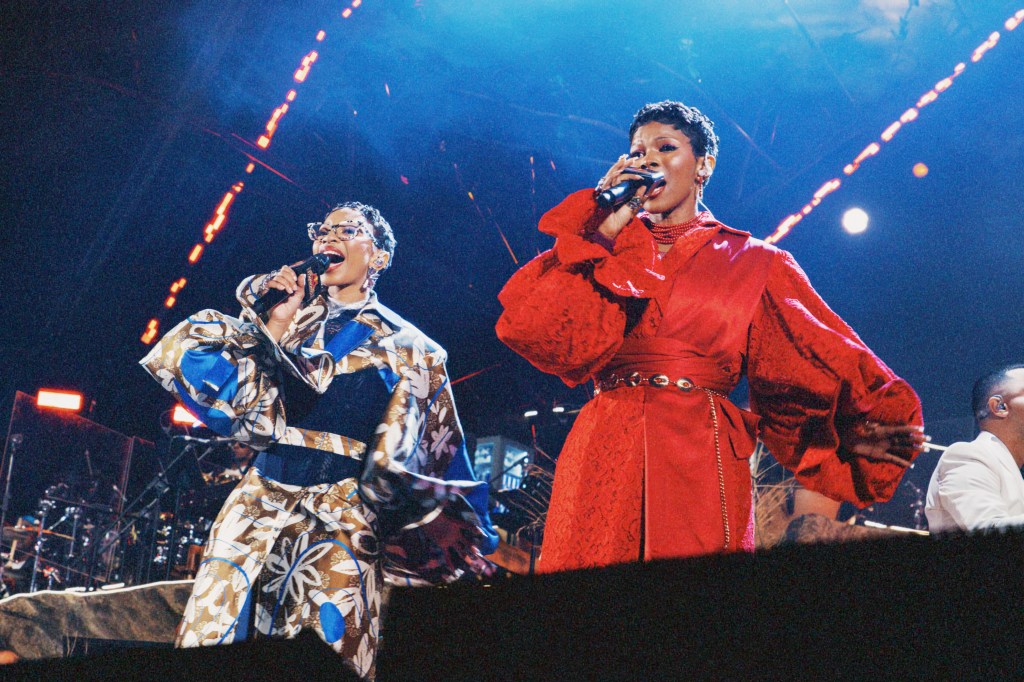
It doesn’t end there. The powerful sister duo has gone to work with the likes of Sun-El Musician, Marcus Harvey, MacG, KARYENDASOUL & more. They’ve performed on 5FM, Morning Live, Power FM and most recently graced the stage of the Redbull Symphonic that took place on the 13th and 14th of June at Monte Casino. It’s clear to see that the sisters have a goal and vision in mind, and determined to achieve it but why not here more about them from themselves right?
INTERVIEW WITH SAI HLE
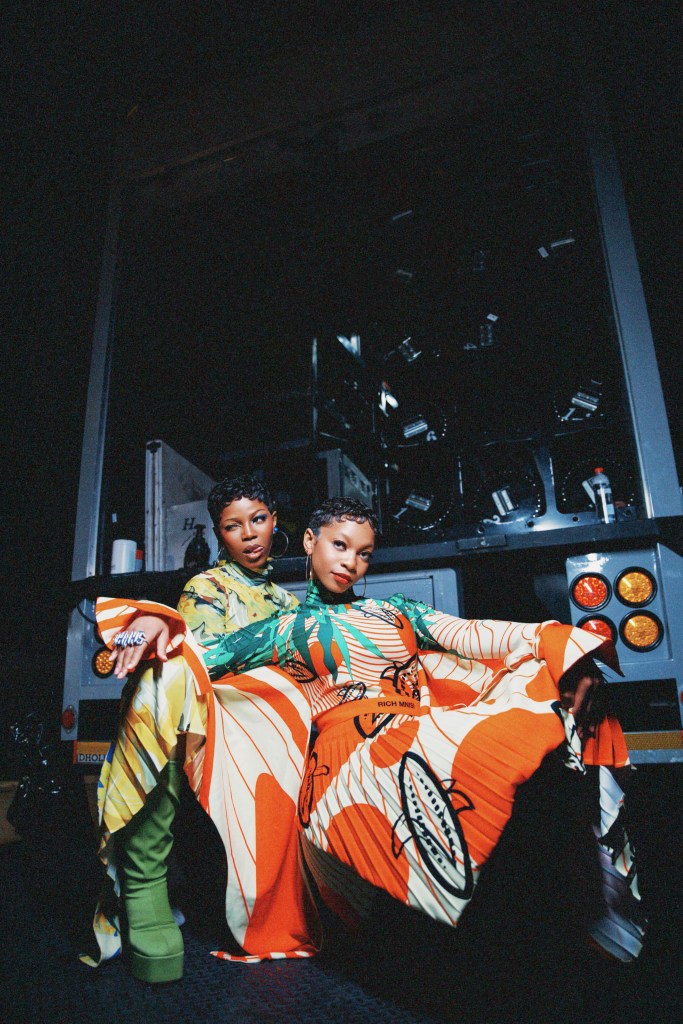
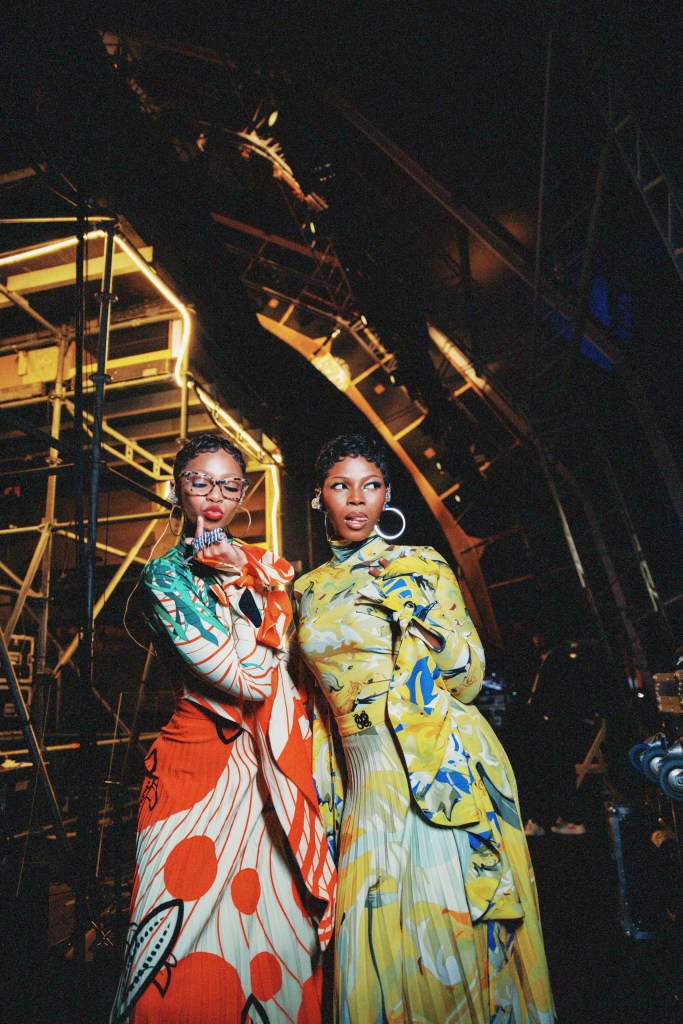
SAI HLE WITH THE COOL POSE BUT NEVER POSING AS COOL
Being sisters did you guys grow-up together? If so, what was it like? If not, how was it getting to learn and know each other? Good day dear Sango. We did grow up together, we’re actually two sisters from a family of 6 people. We share a mom and a dad. It was quite a lovely experience. Growing up in a big family really taught us about being peoples persons. It had its ups and downs but the relationship we got out of it was worth more than anything.
We know that siblings love each other but also tend to fight and sometimes have some secret rivalry. Which one are you and describe your relationship? We love how quirky this question is but also quite real. We were raised as friends before anything else by our parents so even the communication is very much like I’m dealing with a friend who so happens to be my sibling and depending on how you treat your friends because we like and value our friends so no disagreement ever lingers or grows to a point of it being nasty. We’ve grown to communicate well and just simply understand each other and with understanding there’s grace, and honestly there’s nothing better in this world than knowing that you can manoeuvre the ways of life with a friend who you share genes in common with. It’s like talking to yourself from a different point of view, it’s very empowering. l
You share this love of music together is it because you come from a musical family or background? Yes, we come from a musical artistic family background and the arts and music has always been encouraged in our family as a form of expression. Now that we get to make a living out of it is somewhat of a really beautiful dream coming to life.
How did you decide that you would be great as a singing sister duo and what are the pros and cons that come with it? We saw that it was what worked for us. We’ve actually been singing together for some years now, like literally since we were very young and as we got older it never left us really.
The pros are in this industry, you’re never alone. You get to experience every little thing with someone close to your heart and life. There’s so many pros. Artistry generally needs chemistry. When that chemistry is like, familial but also friendship it makes the work process so much easier.
The cons that come with it is sometimes people try to pin us against each other, lol. It never works but it does get annoying having to experience that. We don’t mind people having favourites but you don’t have to put the one down to bring the other up. Another con is, it’s quite expensive having to pay for everything in doubles haha. And also having to match each other’s energy all the time even when individually we may not be on par on that day.
SAI HLE SINGING WITH THEIR SOULS ON THE REDBULL SYMPHONIC STAGE
When making music how do you guys decide who writes the sons and who is the lead and backing vocals? We have a very free approach to writing and singing, we both co- write all of our songs and we both sing on all of our songs, we both do backing vocals, we’re literally very hands on about the process of creating the songs that we give to our listeners.
Leads are dependent on who we both agree depicts the story well vocally.
What has the journey been like as a singing duet? We don’t get those often here in South Africa so has been received openly or do you still have to convince people of it? The reception has actually been very welcoming and kind. People have been open and supportive of what we’re doing and it’s almost as if they look forward to seeing what we can do with this beautiful band/ duo of ours. We’ve been so appreciative of the love and good energy that we’ve received so far from people.
Being a duet when it comes to features is it a must that both of you be featured or do you do your own individual features? It’s a definitely must, there’s no question about it. We literally move as a unit in the music space.
You’ve done a lot of features especially with some big names like Marcus Harvey & Sun-El Musician songs, which has been your favourite so far? Goodness! Honestly, we don’t have any favourite features they’ve all been so great to work with.
I knew you for your RnB and Neo-Soul and there’s this unspoken rule in South Africa where vocalists don’t get much love in those genres compared to those in House and Piano, what are your feelings and views on the matter? From the experience of being somewhat of genre travellers, because we moved from singing backing vocals for gospel musicians to singing with local neo-soul giants like Marcus Harvey; we’ve found that is not always a genre thing. I think when an artist finds their niche it becomes a little easier for them to find their fan base and supporters. We were in the beginning somewhat in denial that dance music was in fact our niche but the more we did it we realised that there’s not much of a point in fighting and we embraced it.
We don’t particularly have a feeling or view on how RnB and Neo-Soul aren’t frontline genres in our country. Every region has its preference and because the world is far more accessible now, just go where you’re loved.
SISTERS WHO EAT TOGETHER, SLAY TOGETHER & STAY TOGETHER
Your single UBUMNND is doing amazing and I know that there are some unreleased songs from Sai Hle that still need to come out. When are we getting them and is an EP coming soon? Thank you so much for the love! UBUMNND as a single has made us very grateful and thankful in-terms of how well it has been received by the public. The love we’ve been getting has just been so encouraging, we are so grateful. We are going to be releasing a new single this year, potentially 2. we’re really excited about it! In terms of an EP we’re working on it! But it’s definitely on its way as well.
You don’t have a lot of your own catalogue out but your branding is impeccable with the Tik-Toks, Fashion and connecting with your community do you ever feel that it outshines your actual profession as musicians? Not at all! In fact, it brings more and more attention to the music! We don’t strictly view ourselves as JUST musicians. Musicians we are but ultimately, we are artists. And an artist is multi facet. So being recognised for the different faces we have it always so fulfilling!
With your profession being musicians how was it performing at Redbull Symphonic and other shows as the feature artists/back-up vocals and when can we expect to see Sai Hle on stage as the main mic? The symphonic was magnetic! Simply incredible! A big step in the right direction for us! It’s always so fun and nerve-wrecking but totally fun being on stages, whether we’re the back-up or the feature artist. We’re pushing being out there now as the main performers, and creating more of a in person community. Expect to see us on big stages as the main mic when the stars align. But for now, being in the spaces, meetin the people that make the numbers on the platforms possible for us makes us hungrier to push to go higher and higher basically.
How do you separate the personal from the professional with being actual family and having deep-rooted bonds? We have a pretty good working order. We’ve been singing together for some time now and so because of that there’s just an understanding and a good culture of communication between the two of us, so we know when and how to separate the two worlds.
When we think of art, especially visual art, the first thing our mind goes to is old white European men from before our time. This is because of what history has shown us or rather I say what history they’ve wanted to show us when it comes to visual arts. African artists have been washed out and sidelined from the art world for centuries and more specifically Africa women but in this modern age we are seeing more and more African & women artists being portrayed and represented in this industry. This is because these marginalised artists have decided to take a stand and take the recognition and respect that they’ve worked hard for and deserve.
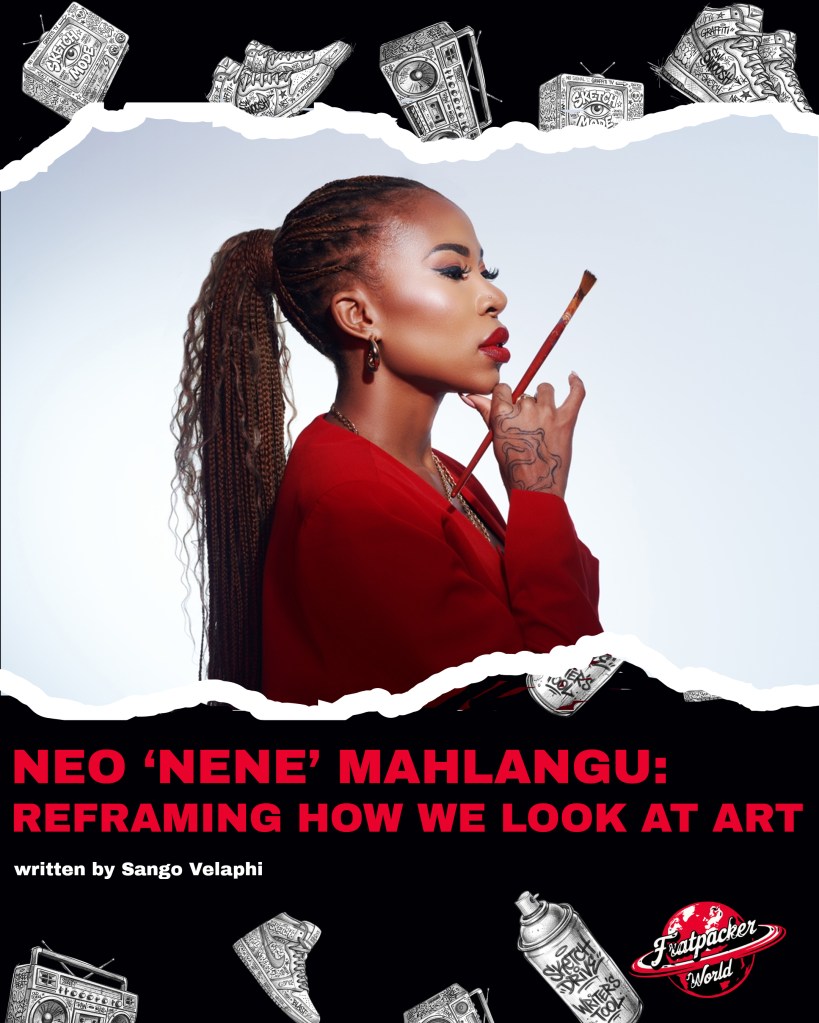
One of the artists leading in making this change and making sure that not only is her work being seen but her voice is being heard rooms and that her face is been seen and recognised to ensure that more black women are being represented in the art is Neo ‘Nene’ Mahlangu Having this mindset and firm stand in who she is and what she does, she has been able to use it to position herself in places of influence and power to change this narrative that has surrounded black women and visual artists alike.
Her mindset of always seeing the bigger picture but still being able to attend and pay attention to the small details has helped her shape her own career path and through that she has been able to achieve some hectic and crazy milestones already. She has designed coins for the South African Mint and was named one of Mail & Guardian’s Top 200 Visual Artists in 2020. She has been able to use her social media platforms such as Tik-Tok and YouTube (Rich Kid Aura) to reclaim the power dynamics and where she explores topics such as psychological frameworks, wealth psychology, and cultural critique without the performative nonsense. Currently she finds herself in the tech space working on Apps that feed into the South African culture, community and their needs.
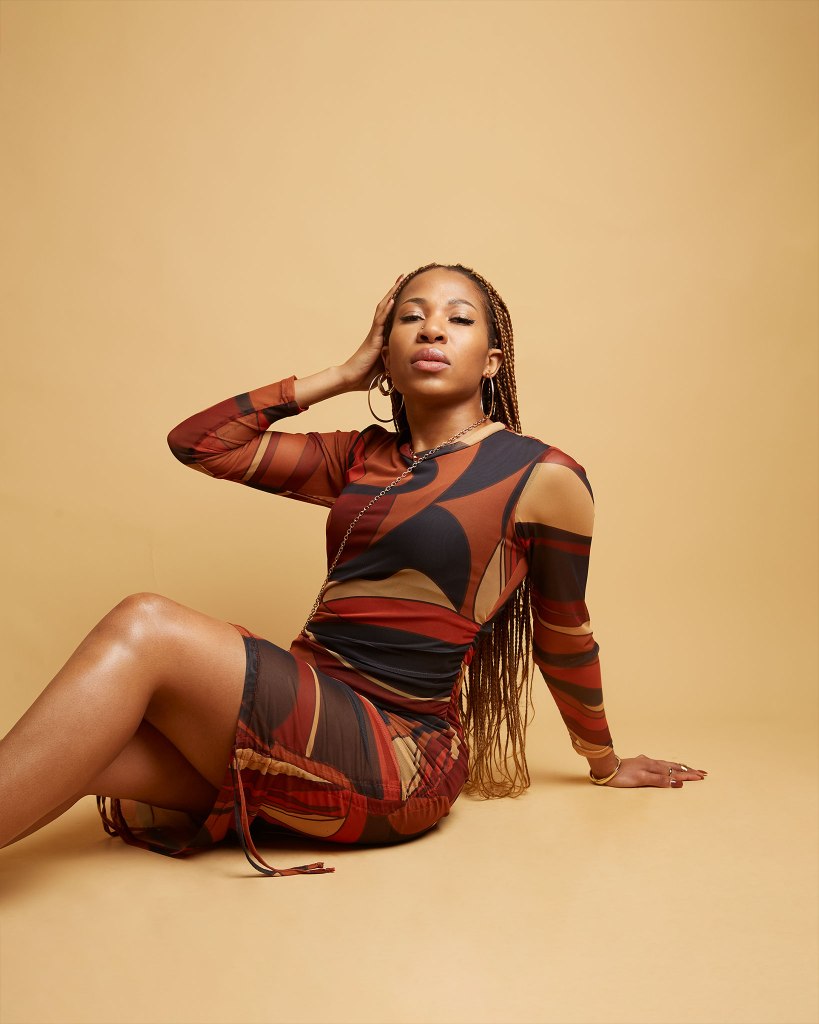
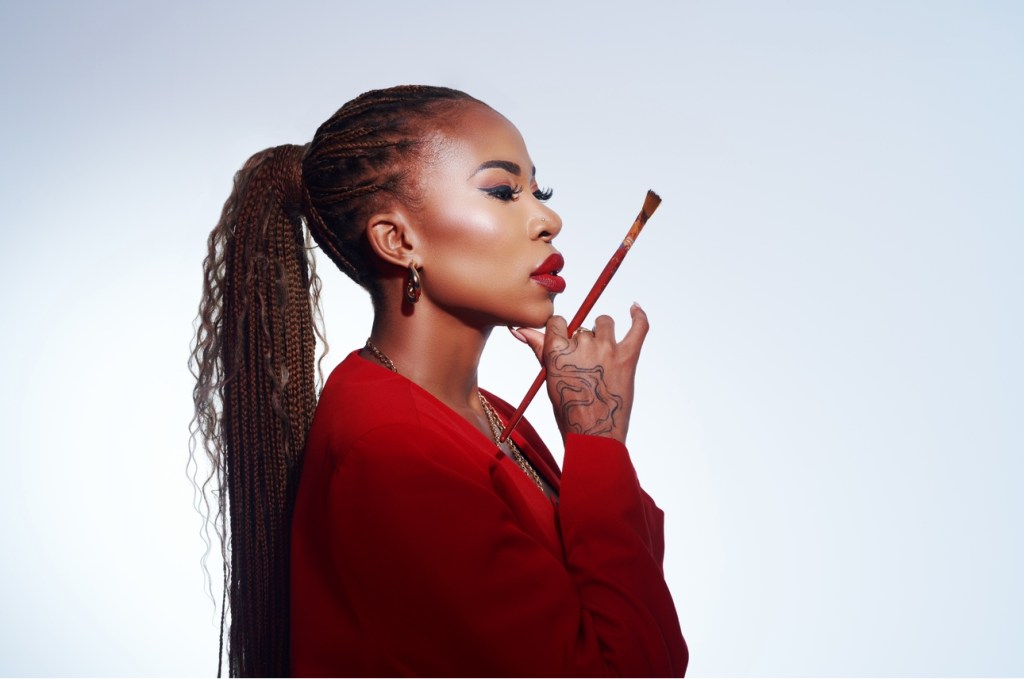
Neo ‘Nene’ Mahlangu Posing In All Her Glory
Some of these apps are: GrooveFund -A digital concert stokvel. With the wave of events, concerts, festivals and international acts coming to South Africa the demand to go is high but the pockets are still low, and this looks to provide a solution for people to still see the life changing experiences.
EasyStokvel – SaaS for stokvel treasurers. In South Africa we know how important and impactful Stokvels have been in many communities but also know the pressures that the treasures in charge are under so making online software that makes it easier to keep track of the finances will be a big relief to many in the country.
Desire Intelligence Engine – A psycho-graphic marketing tool. Everything in 2026 is about selling. Whether it’s yourself, product or business. Learning how to market yourself and gain the position you need in your industry to make a difference and be successful is necessary. In order to do that you need to understand the mindset of your consumers; be they old, new, current or potential; to give you that competitive advantage and better understanding of the market.
Nene has shown that she can do it all and wants to do it all. There’s an abundance of knowledge, wisdom, experience and truth she has to offer and her thirst for more is unquenchable. I could carry on speaking about the brilliance that she is but rather you hear about the brilliance she has to offer straight from Nene, herself.
INTERIEW WITH NENE
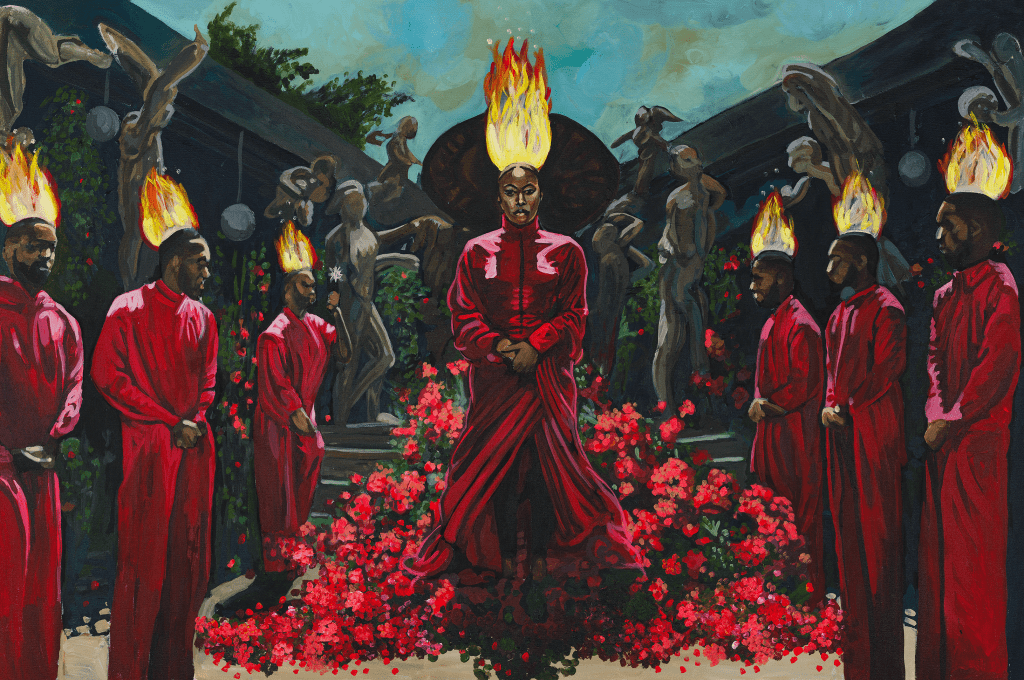
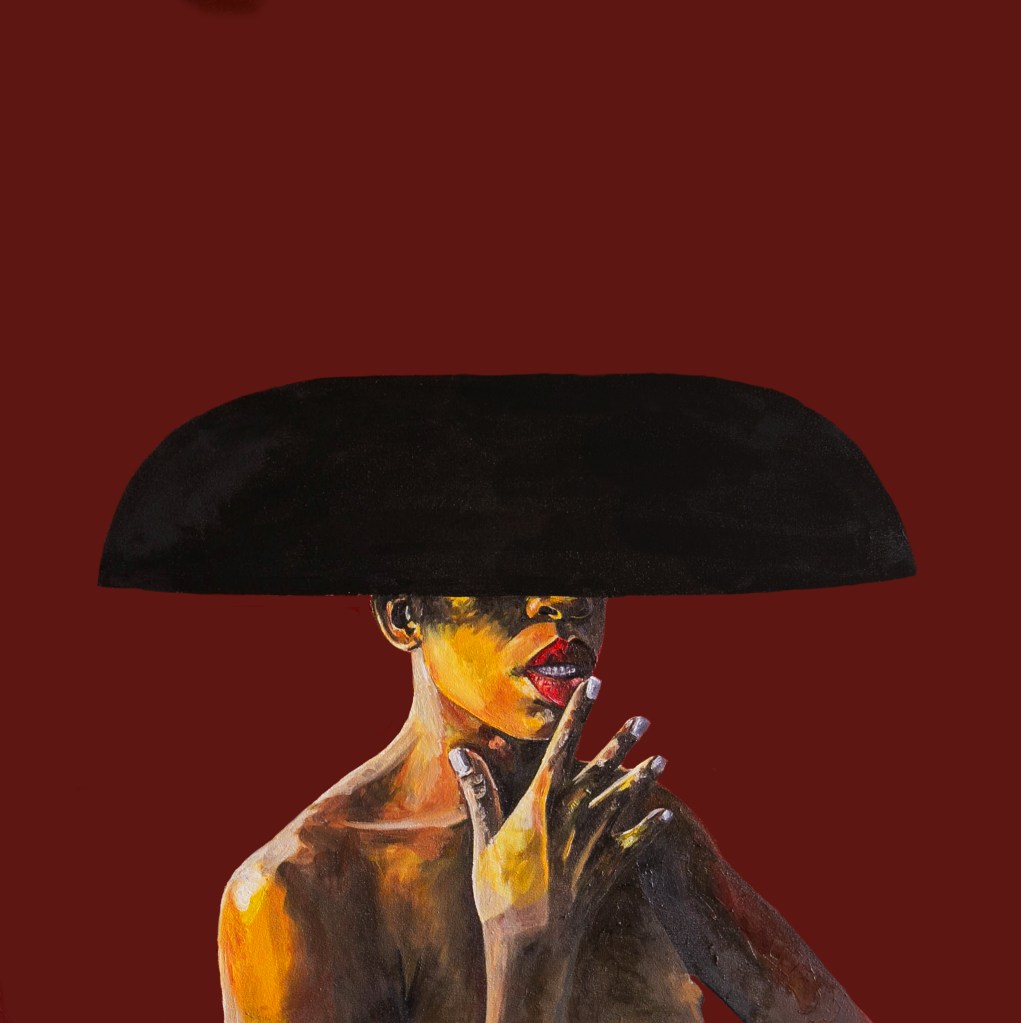
The Assembly (2023) Oil Painting by Nene Mahlangu
There’s already a lot of stigmas around being a black woman, an artist and social media. How bad does it get when you combine all three and how have you been able to deal with it all? I think the question is not framed in the way I see the world. To me social media is a medium. Video is a medium. All creative work will be loved or criticised at some point. I think if you are creative long enough, you just learn how to block out the noise and do what you need to do. I just want to get better, at video, at storytelling, at listening to my creative voice. Thank goodness social media has not only opened numerous doors for me, but it’s also given me the opportunity to meet amazing people, challenge my creativity, to have more fun, to share ideas which is the only thing that matters to me at the end of the day. Everything else is just noise.
There is strength you have, of believing in yourself and who you are. Where does your strength come from and how do you replenish it in times of weakness? My strength comes from feeling viscerally, in my heart, how short 24 hours is and how quickly time flies. That inspires me to put any negative thought to the side and move forward with whatever it is that’s on my plate in that season. In times of weakness I move my body, I dance, I strut, I act silly. That tends to remind me to loosen up and have fun with all of this. Sometimes I meditate, which has been a game changer for me.
Traditional vs digital has been an ongoing debate since the introduction of technology. Do you have a preferred? If and if not, why? It’s seasonal, I had a 6–7-year streak leaning heavily into the analog via my paintings, from self-taught to designing coins and travelling & exhibiting around the world, now I’m in a season where I’m leaning heavily into the digital space through coding, Youtube and Tiktok. I genuinely find pleasure in learning new things and progressively getting better at them, that’s where I find my joy. Being obsessed is my default setting, I just love the journey of sucking at something and then being great at it. Right now, I kinda suck at Youtube, but it won’t be for long.
How are you able to merge the two worlds of traditional and digital to use to your advantage, engage with your community and showcase/sell your art and services? For someone with an obsessive personality, where if I’m locked into the pursuit of a goal, I shut the world out, knowing that recording a 30 second Tiktok in my room can reach 100k people, is a life saver. Thank goodness the algorithms do most of the heavy lifting for me. It’s a no-brainer to incorporate the digital space with what I do. I would’ve had it hard if social media didn’t exist.
While we are on technology what are your thoughts on AI mainly being used and developed in the art community and not as much in other sectors? AI is being used heavily in finance, tech, healthcare, etc. There are AIs being trained to trade in the stock market. Agents are creating NFTS and selling them amongst each other, making agents earn their own money. AI is solving complex problems in mathematics and physics, problems that haven’t been solved in 50 years. The disruption is happening everywhere, not just the arts.
Maybe I Will Tell (2022) Oil Painting by Nene Mahlangu
At the Cr8tor Con Week Africa panel you had a very interesting and hot take on wanting to work with Elon Musk and I loved your take on it. Please do explain this take for the people who weren’t able to make the panel. I can’t remember the specifics, but I love it when people have audacious dreams, if it’s in your skillset, why not aim for collaborating with people who are venturing into space. Sometimes creativity deserves alternative spaces to shine, spaces bigger than a stage or a gallery. Why not dream the impossible? Why not take your art to Mars?
At the panel is where I found out more about you and your work. How important is it for South African artists to still use traditional/physical media and platforms to showcase and highlight themselves? It all depends on that artist’s goals. If your dream audience is the older generation, then sure use traditional media. And if your client is a younger audience then digital would be better. There is no cookie cutter formula to this, it depends on the artist, their work and their goals.
Speaking on South Africa and physical/traditional platforms. What’s more physical than money, plus everyone wants it. How was it working with the South African Reserve Bank (SARB) and what did you learn or unlearn about money? There was a point, during the tour that the Reserve Bank gave us of the Mint, where we were standing in one of the warehouses that store the R5 coins. That one warehouse was as big as an airport hanger, floor to ceiling, shelves were packed end to end, with money. Physical, literal millions were in that one room. And what got me in there were charcoal drawings. That rewired something inside of me. As someone who grew up in a township, who didn’t even know such rooms existed, it just seemed insane that I was in this room, a room most will never see, a room that had literal millions and I, Neo “Nene” Mahlangu, was about to design coins. Something in my core changed after that day. That’s why you can never convince me that anything is not possible. It doesn’t matter how you start, how rough the beginning might be, anything is truly possible.
You speak on wanting to have black women represented on money and more importantly in life. Where are spaces in the art community that you think need more black women representation? Aren’t black women already everywhere? I see them everywhere. Most of my clients are black women. Most people I do business with are black women. And that has accelerated as the years have gone by. I’m not dismissing history here, but I think black women have done a fantastic job infiltrating the ranks in society, I think we should spend more time celebrating that.
You recently just did a collaboration with Poetry? What was it and how was it? It was an in-store live illustration at their flagship store in Sandton for Mother’s Day. It was fun because I made a lot of people smile and allowed them to use my talent to spread love. I created illustrations for the store, but I also made time to create art for adults who wanted to give personalised gifts to their mothers. Last year this time I made an artwork of my mom and gave it to her and saw how that made her feel. It made her cry. It felt great to do the same for other people’s moms.
Neo ‘Nene’ Mahlangu Envisioning The World She Wants To Pant
How is it collaborating with brands and how do you make sure that you don’t lose your voice (let it get drowned out) and still make sure that you and your beliefs are being represented? Working for brands is always a great creative challenge. If I were to give a suggestion to artists, use that brand collab money and invest it. Do it enough times until you get dividends/passive income. Having that breathing room will help give you the freedom to work only with brands that align with your values. I’ve never worked with a brand that didn’t align with my values and therefore it was always easy to keep my creative vision because we usually saw eye to eye.
What is your dream project right now and what do you think you need to make it happen? My dream project is to travel and meet 10 people who I think are the most fascinating minds in the world right now. They’d span creative fields, science and maybe spirituality. I’d start with Myha’la (Harper Stern from Industry), then go see Robert Greene, and so on. I’d document it and share it on my Youtube channel.
What would you say to other young black women artists in the space or try to enter the space? I don’t know if I can give the best advice. Just spot the person whose career you’d like to emulate most and retrace their steps.
They say, “The problem is you’re looking for love in Gauteng and Gauteng is made for business, not for love.”, and they might be right, but I look at it in a unique way. Let’s say we do look at love like a business, which I don’t think is a problem, the problem is we look at love like it’s a business we are working for and not a business of our own that we are trying to build and grow into a successful and long-lasting business. It sounds all over the place but as the kids say, “Let me cook.”.
I believe in love. All forms of love but today we are speaking on romantic love. You know, find a partner, get married, share a life together forever type love. I believe this love still exists in 2026 but as the minority. We used to love, love and being in it but in the past 6 years (yes, COVID f*cked everything) it feels like we are more in-lust with love than we are in-love with it. What do I mean by this? Well, let’s break down the definition of lust; “An intense, overwhelming craving or desire.”, I believe we all have an intense craving and desire for love or to be in-love but not really in-love with the process and the challenges of love or being in-love. Why do I believe this is the case? Well, I believe it has everything to do with the false belief of having a huge ocean with a variety of fish to choose from.
Like I stated earlier, it all started with COVID. During lockdown we were all stuck in our houses with nothing to do but watch TV and our phones. TV, I love and will always defend. Our phones though…a different story. Before COVID Instagram was more a of scrapbook album, a place for one to explore the world of creativity. Yes, we had Man Crush Mondays,Woman Crush Wednesdays and Thirst Traps but it still felt like there was an innocence of, “We don’t know what we’re doing here but just having fun.”, that we were just posting and discovery how far this platform can really go. It felt pure even if it really wasn’t that pure because we were still in an era of being outside and touching grass as the kids say. Once we were forced to stay indoors, we were able to really indulge in our phones and social media. We started seeing how far it can go in the type of content we see and how far that content can go. The lives, the over sexualisation, the flip that was done on OnlyFans, the DM slides. It became a battlefield and wh*re zone out there for all genders and sexual preferences. It sounds harsh but the reality is during that lockdown period so much temptation was being thrown left, right and centre that it started to feel like all these platforms; Instagram, X formerly known as Twitter, Snapchat and Tik-Tok started feeling like the new age Pornhub.
It wasn’t just the old age model of, “sex sells”, being hyperbolised but that of relationships as well. People showing off how much they love their partners, the expensive gifts and lavish trips, the ideal household, the way your man should treat you, the way your woman should treat you, what should give you the ick, gender role debates, which ethnicities you would or wouldn’t date, which countries you want to go date in, girlfriend and boyfriend allowances and so much more that spoke on everything except the actual art of loving and being loved. All these things had us debating not just online but with ourselves on what we want, need, envision and realistic views on love and relationships. We started seeing life through our phones instead of our eyes and lived experiences. We started lusting after the possibilities of options out there, whether it be romantic or sexual. It started feeling increasingly like what used to be seen as investing into someone and something was now called settling.
It was easier for people to let go and move on, instead of fighting through to achieve something greater on the other side. Now don’t get me wrong, you shouldn’t settle in a place where you aren’t being loved, cared for and cherished but what does that look like today with so many new standards, opinions and voices out there. How do you decide this when every other second there’s a new podcast, tweet, post all saying something different. How do you realise you have the catch of your life in a partner when an ocean filled with a variety of fish is easily available on your phone, whether it be through social media or dating apps. It’s easier to lust in 2026 than to love, so much so that people even lust after a love they already have but can’t see it because of everything else that is being thrown at us.
I remember growing up and being taught that love is one of the biggest investments you could make in your life. Taking time, energy, money, attention, care and passion to get to learn someone and love them not just for their good, virtues and perfections but for their bad, vices and flaws as well. To also teach someone who you are, how to love you, your dreams, goals, visions, flaws, perfections, vices, virtues, bad and good. Rome wasn’t built in a day, and neither was love but nowadays it’s so easy to say, “Why do I have to teach you my love language or how to love me? Why can’t you just know? Why do you still have to learn? There’s someone in my DMs willing to love me how I need to be loved right now.”. It feels like we’ve lost the art of love and being in it.
I don’t know maybe we aren’t invested in love anymore but in our happiness and the problem is happiness is volatile and fleeting. The feel doesn’t stay forever. It comes and it goes. It’s a feeling that you must keep on searching for but with love…well love is everlasting it doesn’t die and to achieve something so timeless, you must put that same amount of effort and time in. Maybe we feel like the world is decaying and there isn’t much time left for anything so why invest that much time into something and someone. Maybe we have a collective healing to do. Maybe we need to get off the phones and touch grass with someone we genuinely like and have a genuine interest in and define our own languages of love. I don’t know what the solution is, but I do know that most. of us is in lust of love, but we need to find our love for love again. We need to invest in the idea of love again. If anything, I hope you loved this article and reminds you of what love can be and look like.
It’s 2026 and everything about music has changed. The way we listen and consume music. The way it’s sold to us. What we consider albums, eps and mixtapes has changed. The numbers and how we count these numbers or keep track f the charts. The invest and development into musicians and trying to make them the best the world has ever seen. Just so much has changed that it doesn’t feel like an evolution but more of a decay. That everything is just being rushed and processed that we are burning through everything and giving nothing a proper inspection and look at and asking the relevant questions. One of the biggest decays we have seen in music is the art of sampling.
Before we dive into the decay of sampling let’s rewind it all the way back to the beginning. Sampling as you can imagine means the same in music as it does in any other aspect. It’s about taking a small selection or part of a larger object, subject, matter, data or whatever metric you want to use. Now the difference is what we do with the sample in various aspects. In the case of science and mathematics, samples are usually used to help conclude on a hypothesis or theory, used to gain a general idea or understanding of a certain pattern or result and sometimes even using a sample to foresee what results are to come. In the aspect of food and beverages samples are used to give the consumer a taste of what is to come or to expect from a certain product or pairing or new dish that is being tried and evaluated. In music though it means something completely different. It’s a pillar of the culture called hip-hop. A concept that was pioneered by the people and helped the people express themselves when they didn’t have the tools nor the access to the information and knowledge on the tools available and how to use them. It’s an art.
Sampling in music started in the 1940s in France when musicians would record real-world sounds (trains, cars, animals) on to magnetic tape, that they would loop, splice and cut to make new compositions. As technology developed so did the machines used for sampling, such as synthesizers and the likes. Sampling really came into popularity in the 1970s when the hip-hop artist and culture got a hold of it. As much as hip-hop made sampling popular, sampling also became a foundation of hip-hop. Sampling in hip-hop started with the DJs because back in those days the DJs were usually producers and vice versa since they were the ones to usually have and be around all the recording and playing equipment, and technology.
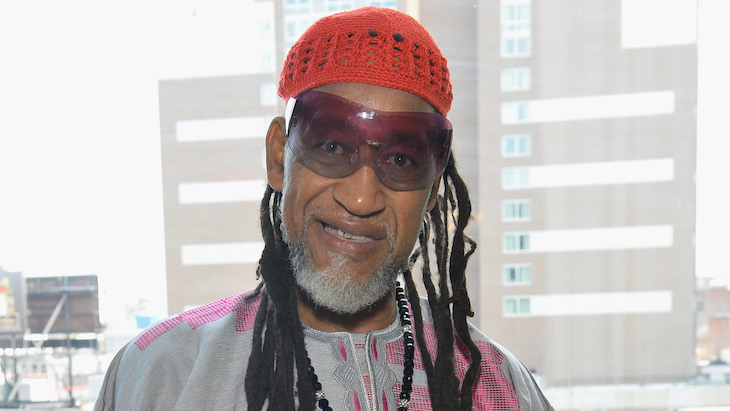
DJ KOOL HERC AKA THE FOUNDING FATHER OF HIP-HOP
The growth of sampling in hip-hop comes in 3 stages and this is according to my understanding of the history and research of it. Stage 1 started with what the hip-hop culture knows as a legend, foundation and some even say the creator of the hip-hop music and culture. DJ Kool Herc was known for throwing these crazy underground parties where people would come break dance, graffiti, DJ and have people doing rhyme and poetry (before it was known as rap) over beats and instrumentals. In this DJ Kool Herc realised something with the turntables and vinyls to create a DJing hack. He would listen to the vinyl records and mark where the drums are or the breaks would come in and use that as a pointer to when he could scratch, transition or blend in a new record or the same record. This became a phenomenon in the hip-hop and DJing world. Stage 2 came in with Marley Marl when he used this breaks technique on actual old vinyl records. He would take the breaks from a record like a snare, hi-hat or drum and use it as a base to make a new record completely. Stage 3 took sampling to its ultimate form when Grandmaster Flash & Afrika Bambaataa would take what Marley Marl did but do it with multiple vinyl records and therefore getting a variety of different breaks and melodies as well create a whole new sound from various small pieces.
While sampling was on the rise and gaining popularity, the rules of copyright and the use of other people’s work was more aggressively enforced back in the day and with their being so few platforms and labels to get your music out on, it was easy for labels and corporates to track if their records from their artists were being used in such ways. This made it difficult for the hip-hop community with sampling. We must remember that back in these times black Americans were living in poverty and access to tools such as instruments, technology and studio were far and few so tricks and hacks like sampling gave them an even playing field to work with. In order to escape the eye of Johnny Law the producers and DJs found that if they take the smallest parts of the records, or just the small part that caught their ear, and they splice it, slow it down/speed it up and loop it that it would sound totally different from the original record to the point it was unrecognisable. This was to ensure that for anyone listen it would be hard to instantly point out the sample and that if it did have to go to court that judgement would see it new composition and hold no liking to the original at all.
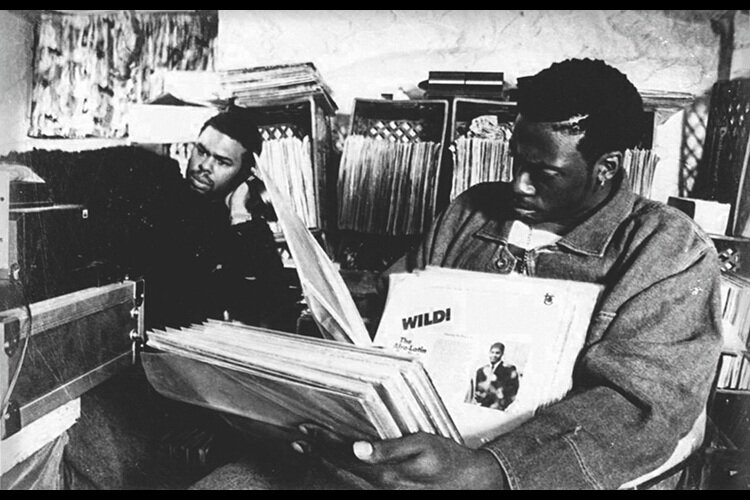
ERIC.B & RAKIM CRATE DIGGING FOR SAMPLES
This art of taking 3% and adding the other 97% to make something different and unheard of was considered the art and backbone of sampling. This is also because hip-hop has always prided itself on being original from lyrics and writing to the dance moves used in a battle. The same applied with the music. The people and the culture wanted to hear something new and original. They never wanted to hear a rip-off version or what would be considered as being lazy and uncreative. This made DJs and producers alike want to go find vinyl records that no one else knew or heard of and if they had, then use the breaks and melodies that no one else would think to use. When they found these sections, they also wanted to make sure that they could play and manipulate the sample in such a way that no one would be able to tell the sample unless you studied the new composition and had an ear for the original record as well. This was the holy grail for producers and DJs. To have an untraceable, unrecognisable sample that everyone loved and danced to.
Now, sometimes we all want to have something that no one else has and sometimes something is so great that we all must have it. This applies to sampling as well. That’s why songs like The Isley Brother – Between the Sheets & James Brown – Funk Drummer, have been repeatedly sampled, multiple times, because they just that great.
I think I’ve touched on the history of sampling enough to talk about where it currently is. Firstly, we know Hip-Hop popularised sampling to the point that it was even considered to be a Hip-Hop pillar globally and a staple (in R&B as well), it has reached into genres like House, Techno, Amapiano and even Gqom. This just shows the power of creativity and innovation that sampling holds. The difference with today is that is has become so common because labels and artists started realising that clearing sampling rights allowed for extra income; either via a big one time payment or from getting a royalty split from the new composition being built off their sampled record, and therefore were more willing to sign off samples than sue for them. This made that fear of having to hide the samples disappear and allow producers to just full on being open that a certain song or record is being sampled more acceptable. This removed fear and culture has started slowly turning into producers now just basically remixing or flipping songs instead of what we once knew as sampling.
THE POPULARITY OF SAMPLING HAS REACHED NEW HEIGHTS & GENRES
In modern times you are more likely to hear a sample from the first minute a song plays, instead of wondering, “What were they on when they made this?!”. It’s gotten so bad that people are even just sampling the lyrics of the songs and selling it back to us as a nostalgic feeling. This is happening in every genre and not just Hip-Hop. It’s like where sampling was once used to continue the lifeline and legacy of a song and record, it has now become an evil that overwrites the history and legacy of a song. It’s to the point now where sometimes I hear a new song and I’m like, “This isn’t new. I heard this 13 years ago when it first released.”. It’s been sad and disappointing to watch. The music industry, artists and fans should have called this all-out years ago and put a stop to it but now it’s like a cancer that continues to spread and has no plans of stopping. If this is a sample of what music is to sound like in the future, it’s a future I do not want to hear anytime soon but what about you? Is this a future you are happy and want to hear for yourself?
In 2026 we’ve seen artist come up with new genres and sub-genres. We see it in house with Amapiano and the sub-genres that have come from that such as 3-Step. In Hip-Hop and RnB, we’ve seen the kids dive more into South African samples, a mix of traditional records merged with Neo-Soul and what some would call new age Maskandi. With this we’ve also seen the reemergence of ome genres such as Gqom. One genre that feels like it’s a forgotten art is the Funk & Pop genre. These genres also tie into flirtation and seduction, another lost art and maybe we lost it when we lost the music. Don’t worry though, there are two young men trying to revive it and bring it back.
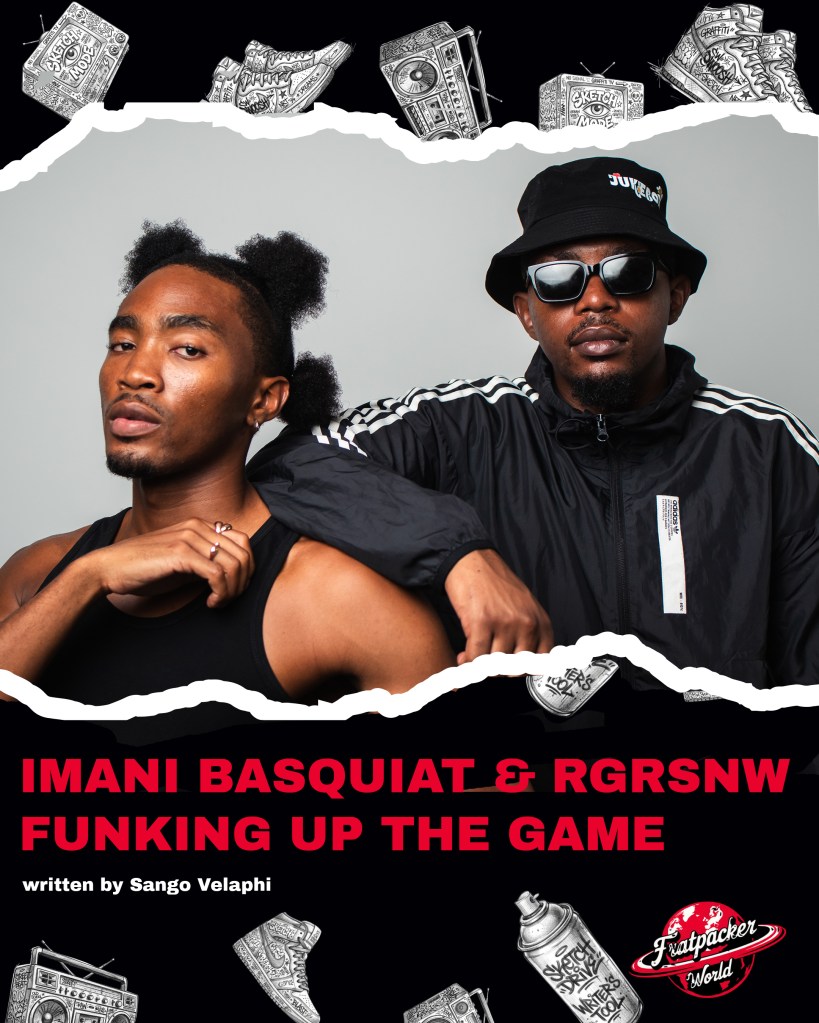
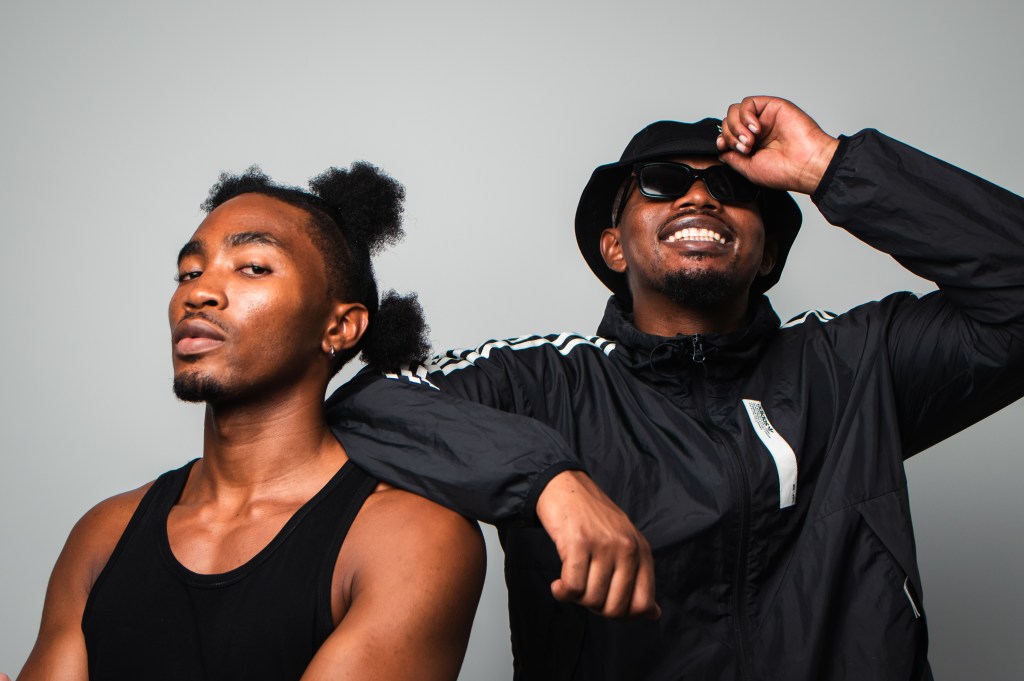
Imani Basquiat & RGRSNW [pronounced Roger Snow] are two artists and friends who’ve used their love of music and women to come together as a funk-rapping singing duo. The last time we seen two brothers come together and get this funky was Andersan Paak & Bruno Mars. The two artists both come from the way of Pretoria, which in the recent years has been birthing some of South Africa’s best Hip-Hop & RnB artists, who carry a certain jig and vibe with them, so it’s no surprise that we would get a Funk-Pop RnB duo from Pretoria.
Now before they were a duo, Imani Basquiat & RGRSNW were individual artists. Imani Basquiat came to my attention in 2022 when he released his Internet Girl EP. The production, RnB-Funk fusion and writing caught my ear instantly. I was like, “This the player pimp sh*t I be about.” and need to hear more. That’s when I discovered that he had an EP released earlier that year called Hooptie Music. If you know the terminology and definition of a “Hooptie” then instantly as a player pimp you would be drawn to the EP and if not; a Hooptie is an old, worn out, busted up, car. Only reason this is player pimp music is because in the 80s and 90s you were considered really player if you could pick-up beautiful women in a hooptie, just to show it’s not the car but the man that gets the ladies. From there I’ve followed Imani Basquiat and in 2023 he released his Groove Theory single which is an embodiment and ode to funk music. The single did so well he release a Groove Pack, where different produces like Yolophonik, Doushii & KaeB remixed the song in different versions.
When it comes to RGRSNW, I came across his music in a live format. I forget which show I was at, but I remember seeing this tall dark figure with blonde hair moving through the crowd acting all mysterious and silent. Net thing I know he’s on stage with Imani Basquiat and hitting some new age trap-funk type vocals. This shocked me because I expected to hear some rappity raps from this mysterious figure. His vibe oozes of “I’m going to bar you to death n*gga” but he comes in with the exact opposite. After that performance I went to his Love, Snow EP, that he released in 2023, and liked the jig of his funk. His record Soul Train was a stand-out for me. Keeping an eye on him since then he’s dropped multiple EPs; Reset [2024], SNL 2 [2024] & Colours [2025]. He found his groove, got in the funk and never stopped.
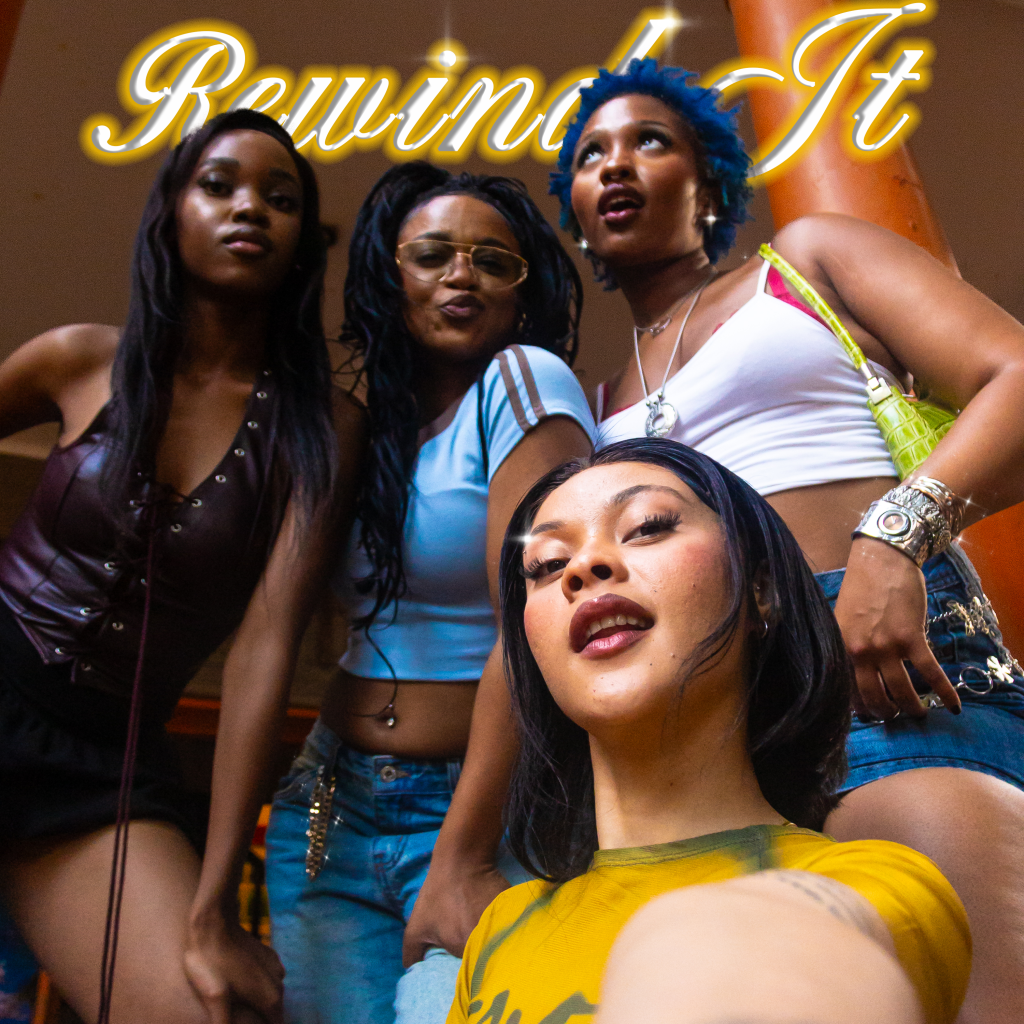
REWIND IT COVER ART
These two individual artists decided to start 2026 with an agenda in mind…women. It seems like the two artists and friends came together and saw that the sounds they play in and use as their artform was always built on the needs and please of women. Whether it was singing to praise, flirt, seduce, compliment, uplift or just admire women. The muse has always been women and the love of them while keeping it sexy. They started the year off with their single Rewind It and did it by having a gang of gorgeous girls winding and hip-notising (see what I did there) us while we listen to a mixture of funk and afro-beat sonics. Their second single Women ft Phiwo, released on the 27th of March, is about exactly that…women. This time they had an elevator full of stunning women dancing to their smooth sounds. It shows that they know the history of the music and are intentional about not just making the music but living it and bringing sexy back as Justin Timberlake once did. I could continue and guess how this duo came about and why but wouldn’t you rather hear what the funk they have to say from them?
INTERVIEW WITH IMANI BASQUIAT & RGR SNW
Who are you?
Imani Basquiat: “Imani Basquiat is a Progressive Soul artist, all around creative and ladies man extraordinaire, who thrives in pushing the boundary in creating music that feels like a breath of fresh air and encompassing it in a world that one can get fully immersed in.”
RGRSNW: “Roger Snow (stylized RGRSNW) is a Afro-Pop / Alternative R&B artist from Pretoria. I love music. I love it so much. Um yeah, I think I just I’m just trying to push boundaries, get people dancing. I love rhythm. I love house. I love I love music that makes people make their feet move. I also love music that, you know, um has an emotive element to it. I love pushing boundaries. I’m experimental on everything. Yeah, that’s what I am.”
IMANI BASQUIAT & RGRSNW
What brought you two together?
RGRSNW: “What brought me and Imani together? Um, were working with the SAMA NOMINATED Producer Baitu Manong. We were both working with him. Baitu produced 3 projects for me. So, um we appreciate him and yeah man as we started working we started we’re making songs together we have some collabs out like wait but then we started making more music and then the chemistry just started growing and we realized okay let’s keep doing this let’s keep working on this you know I mean so we got a few songs we’re working on and something special coming out soon stay tuned.”
Imani Basquiat: “We met at SAMA nominated producer Baitu Manong’s studio, and through months of just working on our own individual efforts and observing each other create, and becoming friends – ultimately, we gained an understanding each other’s soundscapes and through that started collaborating.”
In an age where nostalgia is the trend, what made you want to look specifically at a funk/pop/R&B inspired sound?
Imani Basquiat: “Growing up I always had the likes of Jazz, Funk, Pop, R&B and a lot of soul music playing around the house. My pop’s has an extensive Vinyl, CD and DVD collection in his study and so every weekend from Friday to Sunday I’d be hearing the likes of Donna Summer, Fourplay to watching Michael Jackson and D’angelo concert DVD’s, and so for me it’s almost poetic that I gravitate towards creating the music I grew up on, the music I knew before I really knew the world like that.”
RGRSNW: “Old school R&B Usher Chris Brown and you know what I mean the works that my dad was always playing that. Gospel music and all the type of things that us as black people we make or people of African descent, whatever you want to call it, all those type of songs, you know, from even how I was brought up with my upbringing (DRC heritage) like um Warrison and Koffi. So, just bringing everything together, you know what I mean? Um that’s what really inspired and you know, I think Imani and I are really transitioning into a pop star phase that I think y’all are going to love.”
What separates/defines you as individual artists?
RGRSNW: “Um, what separates us? Well, firstly (laughs) but for real, what separates us is um I would say Imani is a little more centric. You know what I mean? He’s going to be the n**** that’s dancing and doing all that and that’s fine. You know, that’s him and it’s a beautiful what he does, you know, he must keep doing him. But I’m more of a you know. I’m the big cuz I’m a tall guy, you know. I mean, I’m like I’m like the big guy who’s looking swag and you think, ‘Oh, this n**** thinks he’s too cool for y’all.’ But then I get up there and I wow you with how vulnerable I am and how I sing and how I move and how I interact with you. You know what I mean? I’m more of a juxtaposition whereas Imani looks like what he does. Does that make sense? … Um I think yeah like I said right now you know that’s what defines us you know but um yeah I’m a juxtaposition how my music is so emotive sometimes so slow sometimes so upbeat and also um large spectrum but I’m dressed like a hip-hop artist. I’d say I have the swag as a hip-hop artist. A lot of people tell me that, but I never made a hip-hop song in my life. So, yeah. And then Imani, you know, look like Vanda Michael Jackson. Michael Jackson dance like Michael Jackson feel. Still has that swag though but it’s a different type which is fire to me.”
Imani Basquiat: “I think it’s definitely our individual backgrounds and personal experiences. We both grew up differently, and even though there’s a lot that we relate to each other on, we have our nuances in how we grew up and the experiences we were exposed to. It’s this aspect of individuality that give’s us our unique storytelling perspectives.”
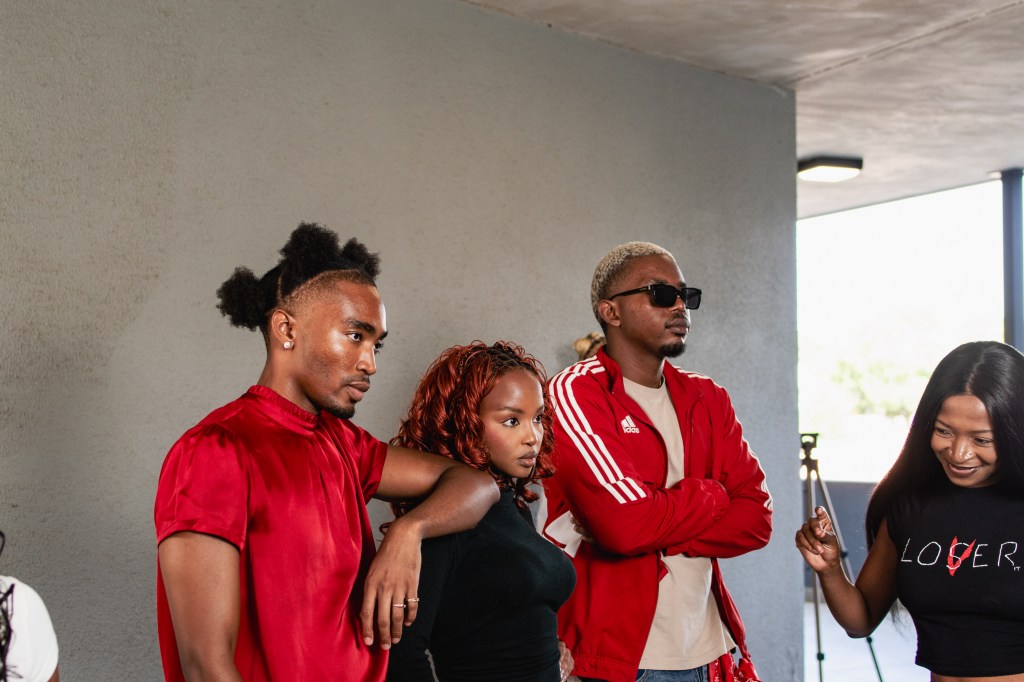
IMANI BASQUIAT, PHIWO & RGRSNW POSING FOR THEIR WOMAN COVER SINGLE
What is the importance of portraying a look that matches the feel of your music?
Imani Basquiat: “This is actually my favorite part of releasing new music! I grew up as a visual artist so this is me still tapping into that side of me. It adds to the world building aspect of the music itself. It gives the record an environment to thrive in and the listener a world to delve into, to experience what we make in the most immersive way possible.”
RGRSNW: “Very important. it’s a large part of world building, you know what I mean? It’s a large part of um showing people you know who we are and what we do. I feel like clothes is another way to express yourself without saying anything. 60% of language is body language so you know expressing ourselves through clothes and how we. I use my clothes as a armor my music is like very vulnerable. I dress like a thug you know what I mean so you think like ‘yo don’t play with this boy’ but don’t worry I’m a sweetheart. I think it’s very important.”
Are you lover boys or just lovers of women?
RGRSNW: “I think I’m a little bit of both. There ain’t nothing wrong with that in my opinion. When I love my shorty, I love my shorty to the fullest. When I’m outside, I’m outside for real and I love being outside sometimes. So, um I love it. I love it. You know, Also, I think I’m also a lover of woman in a wholesome sense too. Sometimes just like kicking it with my homegirls. You know, some of the realest n***** I know are my home girls. So, shout out my home girls.”
Imani Basquiat: “Hahaha, let’s just say I’m a lover boy who is in a world that forces him to be a lover of women. But on a serious note, I don’t think the one can exist without the other. Take away the adornment of women and the lover boy disappears.”
Are women or love the muse for you?
Imani Basquiat: “Love is the frequency for me. It just so happens to be that women are one of the many facets of life that I love, and so I find myself drawing inspiration from that place at times.”
RGRSNW: “Yes. Um, when I started making music, I’m R&B. So, most of my songs are like diaries about my relationship or how I feel about, you know, my significant other. So, hell yeah. But it’s also just life in general. I think you know um as artists kind of just write from one perspective not every song is about love you know and not every love is romantic so um I think I just love I just write like writing about love and good things in general but women are also one of positive aspects of life I love writing about.”
What’s the difference in making a project alone vs. coming together as a duo?
RGRSNW: “uh making a project alone very self-centered very me me it’s very what I want to do, how I was trying to shape this, it also there’s also you get that feeling like it also falls on you, you know what I mean? When the song is doing great, it’s on everybody’s talking about you, but when it doesn’t do well, you know what I mean? The world is going to be like, ‘Man, that’s on you, n****.’ And keep it pushing like, you know what I mean? So, uh, making music on your own, it’s a great experience, but it’s also like very hard but nobody does this alone… Recognition but when we do it together, we get recognition together. We suffer together. Uh, You know what I mean? And then we also compromise, not compromise on ideas, but building on ideas together we’re thinking about ideas that accommodate both of us. Then sometimes when you got a feature accommodate three of us or four of us plus a producer etc you know? So just learning that and just learning how to be in a collaborative space… is really beautiful to be a part of. Um so yeah, that’s the difference between coming together as a duo and doing it on your own. I think I just like love the collaborative aspect of it.”
Imani Basquiat: “Man…I think the key difference is perspective hey. There’s a saying that goes ‘That which makes us different, makes us great’ and I think that’s so powerful. We have to constantly make room for each other and the work itself – There’s a lot you learn about letting go of control yet still maintaining it, leaving room for consideration and then coming to the result that it isn’t about me or the person I’m collaborating with…It’s about the record. You sort of develop this Hive-mindedness, it’s odd but cool at the same time.”
I can see inspirations of OutKast, but who are you trying to define yourselves as?
Imani Basquiat: “The guys that made a really fun project to listen to and experience, the guys that moved the needle artistically and the guys who had the cajones to do something that daring in soundscape, visuals and experience in a climate where most play it safe because of what’s popular in South Ahh…nothing more nothing less.”
RGRSNW: “Um, you know, shout out to the ATLiens. We very inspired by Big Boy and Dre, you know, shout out Dre. Shout out Andre. Shout out to Aliens. But also at the same time, I think um we got our own feel, our own sound, our own way how we do it. I think what defines us also is that we’re both um vocalists, you know what I mean? It’s not a rapper and singer duo. So, um I think that that’s a real good twist to it where it’s more of a I wouldn’t say like a boy band, but you know what I mean, man. Like it’s a lot more for the shortys. It’s a lot more sultry, Big Boy was the juxtaposition to Dre. And I think what defines us is that I’m not exactly the opposite of Imani. I’m more of a variant of something, but we do come from the same universe. Did that make sense? Word. But yeah, that’s how we define ourselves.”
THE MUSE OF RGRSNW & IMANI BASQUIAT
Two singles out and both women centered. How’s the fan reaction been? And do n*** hate you?
RGRSNW: “Um, fan reactions have been fire. seeing how fan bases changes. Um, our fan bases have become a lot more woman centered around this time. I feel like we have a really cult following in terms of our home girls. Shout out the home girls. So, just seeing the love and feeling the love and knowing that everything just feels so genuine cause really we really do be living this life, you know what I mean? … a lot of n***** write music about women from a sense of admiration and not reality, but we know the reality of being around them and how great they are. Do n***** hate us? N***** always going to hate, but we are going to keep going now (laughs). But for real, all n***** really ask us is, ‘Yo, who are those girls in that rollout, man? Those girls looking fly.’ That’s all n***** want to know. But n***** rocking with it. You know what I mean? Shout out to the homies, too. But yeah, man. This for the girls.”
Imani Basquiat: “It’s being received very well and the one’s who are really drawn to the visuals are the women. As for n*ggas – haha, those that get it, get it and the rest get left behind for real.”
What can we expect from this duo for the rest of the year?
Imani Basquiat: “A full body of work, visuals shows and the rest of the world of this project to be built.”
RGRSNW: “Whole lot of music. The next single coming out soon. We’ve been working on something a little special. We got a name for it. We got everything for it. But we’re trying to make a little bit of a surprise for y’all. So once we’re ready to give y’all more information on that, we’ll give you that. But way more music, I’ll tell you that. Trust, way more music second half of the year. We outside. So, let’s get it popping. And you know, much love Sango Velaphi and Frat Packer for having us word to bro.”
There’s something beautiful about watching an artist survive every version of themselves in public. For over a decade, Kehlani has done exactly that. From teenage prodigy to Tumblr-era R&B staple, from heartbreak prophet to spiritual healer, her career has unfolded in real time. Every phase documented. Every scar audible. Every lesson stitched into melody.
That’s what makes her new album feel so important. Not because it’s louder than her previous work, but because it’s calmer. More intentional. More rooted. It sounds like the glow up after dealing with demons and finding peace. The mood is light, confident, self aware and at peace.
For years, Kehlani occupied a very specific lane in modern R&B. She made music for people trapped in emotional loops. Music for drunk texts at 2AM. Music for loving people that were terrible for you. Her earlier projects carried that beautifully chaotic energy that defined a generation of internet-age R&B. Toxicity was not just a theme in the music, it was part of the aesthetic. The late-night confessions, the emotional manipulation, the cyclical heartbreak, the push and pull of wanting softness while simultaneously sabotaging it. Kehlani mastered that language because she lived it.
And that honesty is what made people connect so deeply with her catalog. She never sounded above the mess. She sounded inside of it.
But somewhere along the line, the music started changing because the woman behind it started changing too. Over the last few years, Kehlani has spoken openly about therapy, accountability, motherhood, spirituality, emotional discipline and the difficult process of unlearning destructive habits. You can hear that work all over this album. Not in a preachy way. Not in a “look how evolved I am” kind of way. More in the subtle maturity of someone who finally understands that peace is harder to write about than pain.
The growth is most evident in the emotional architecture of the album. The songs no longer romanticize chaos. Vulnerability is no longer framed as weakness. Desire no longer feels reckless. Even when the music touches heartbreak or longing, there’s a level of emotional clarity that wasn’t always present in earlier Kehlani records. She sounds grounded. Present. There’s less running. Less spiraling. More reflection.
That makes the success of “Folded” feel even more significant. The record became an anthem not because it was explosive, but because it was emotionally precise. “Folded” captures the kind of mature heartbreak that arrives after self-awareness. The writing has a sense of taking one’s power back. It doesn’t beg. It doesn’t perform. It simply sits with the disappointment of love that could not survive growth. That emotional sophistication is exactly why the song resonated the way it did.
What makes this album hit even harder is the fact that it took this long for Kehlani to finally arrive at the self-titled era. Artists usually self-title projects when they believe they’ve reached their clearest artistic form. It’s almost like planting a flag and saying: this is who I am. No characters. No smoke screens. No protective layers. Just me.
For Kehlani, the self-titled album feels earned. It feels like the culmination of years spent navigating fame, motherhood, heartbreak, identity, queerness, spirituality and public scrutiny. Instead of chasing trends or reinventing herself for the algorithm, she chose to make an album that feels deeply connected to the roots of R&B itself.
The project plays like a love letter to the genre. You can hear traces of 90s and early 2000s soul throughout the production. Warm basslines. Silky harmonies. Great instrumentation. Slow-burning grooves that prioritize feeling over virality. Yet the album never sounds dated. That’s the genius of it. The production understands the history of R&B without becoming trapped inside nostalgia. It feels current while still honoring the lineage.
That balance becomes even more powerful through the collaborators she brought into the fold. When artists like Usher, Brandy, Missy Elliott and Lil Wayne appear on a project, it means something bigger than star power. These are pillars of RnB, soul and hip hop. Their inclusion almost feels ceremonial, like Kehlani positioning herself within a larger tradition rather than outside of it.
And importantly, the collaborations never overshadow her. They reinforce her vision. Brandy’s presence feels especially symbolic considering how much of Brandy’s vocal DNA exists across modern alternative R&B. Usher brings that effortless grown-man smoothness that defined an era of radio domination. Missy injects rhythmic unpredictability and edge. Wayne, as always, bends melody and rap into something instinctive and emotional. Together they help Kehlani create an album that feels multigenerational. Even the way the Clipse fit into Kehlani’s world is seamless. A song that could fit in the late 90s to today (shout out to her for letting Pusha T double down on some of his relationship takes lol)
But beyond all the features and production conversations, the real triumph of this album is emotional. Kehlani sounds lighter. Not happier necessarily, but freer. The music feels less concerned with proving desirability and more interested in protecting emotional intimacy. That’s a huge difference.
A lot of artists spend their careers trying to become icons. Kehlani spent hers trying to become whole. That journey is written all over this album. And maybe that’s why it lands so deeply. Because beneath all the lush harmonies, elite features and beautiful production choices is a woman documenting what it sounds like to finally choose peace over performance.