• Funking Up The Game

    In 2026 we’ve seen artist come up with new genres and sub-genres. We see it in house with Amapiano and the sub-genres that have come from that such as 3-Step. In Hip-Hop and RnB, we’ve seen the kids dive more into South African samples, a mix of traditional records merged with Neo-Soul and what some would call new age Maskandi. With this we’ve also seen the reemergence of ome genres such as Gqom. One genre that feels like it’s a forgotten art is the Funk & Pop genre. These genres also tie into flirtation and seduction, another lost art and maybe we lost it when we lost the music. Don’t worry though, there are two young men trying to revive it and bring it back.

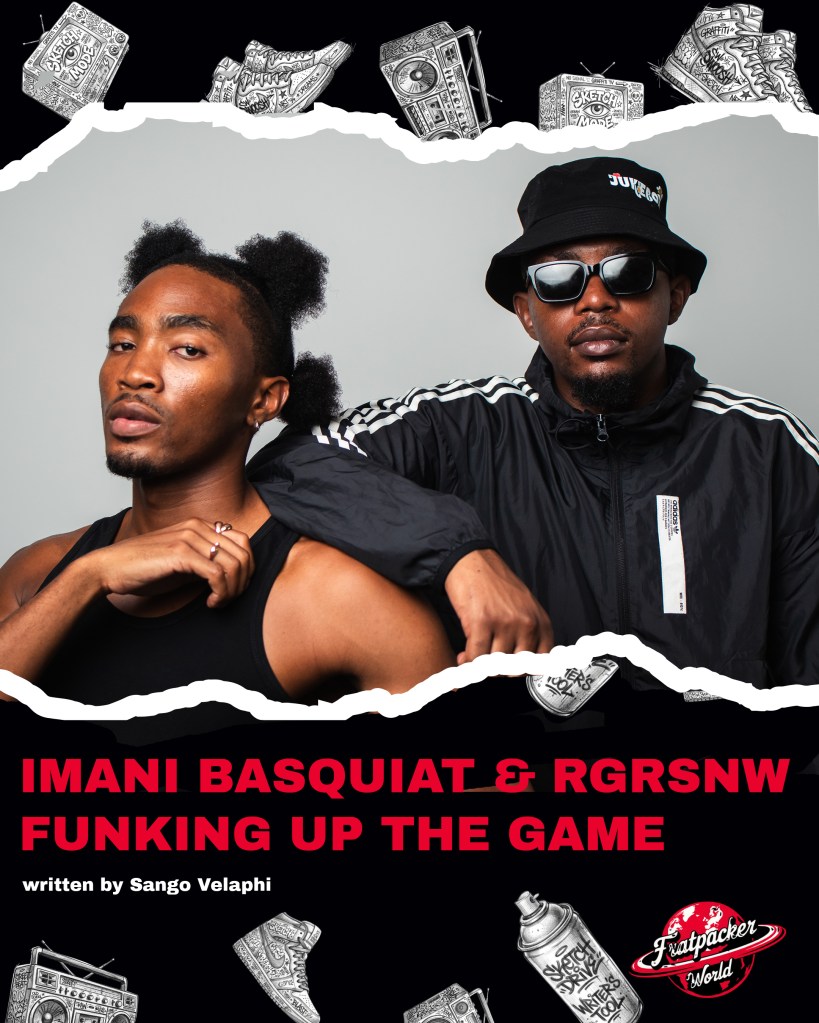
    Imani Basquiat & RGRSNW [pronounced Roger Snow] are two artists and friends who’ve used their love of music and women to come together as a funk-rapping singing duo. The last time we seen two brothers come together and get this funky was Andersan Paak & Bruno Mars. The two artists both come from the way of Pretoria, which in the recent years has been birthing some of South Africa’s best Hip-Hop & RnB artists, who carry a certain jig and vibe with them, so it’s no surprise that we would get a Funk-Pop RnB duo from Pretoria.

    Now before they were a duo, Imani Basquiat & RGRSNW were individual artists. Imani Basquiat came to my attention in 2022 when he released his Internet Girl EP. The production, RnB-Funk fusion and writing caught my ear instantly. I was like, “This the player pimp sh*t I be about.” and need to hear more. That’s when I discovered that he had an EP released earlier that year called Hooptie Music. If you know the terminology and definition of a “Hooptie” then instantly as a player pimp you would be drawn to the EP and if not; a Hooptie is an old, worn out, busted up, car. Only reason this is player pimp music is because in the 80s and 90s you were considered really player if you could pick-up beautiful women in a hooptie, just to show it’s not the car but the man that gets the ladies. From there I’ve followed Imani Basquiat and in 2023 he released his Groove Theory single which is an embodiment and ode to funk music. The single did so well he release a Groove Pack, where different produces like Yolophonik, Doushii & KaeB remixed the song in different versions.

    When it comes to RGRSNW, I came across his music in a live format. I forget which show I was at, but I remember seeing this tall dark figure with blonde hair moving through the crowd acting all mysterious and silent. Net thing I know he’s on stage with Imani Basquiat and hitting some new age trap-funk type vocals. This shocked me because I expected to hear some rappity raps from this mysterious figure. His vibe oozes of “I’m going to bar you to death n*gga” but he comes in with the exact opposite. After that performance I went to his Love, Snow EP, that he released in 2023, and liked the jig of his funk. His record Soul Train was a stand-out for me. Keeping an eye on him since then he’s dropped multiple EPs; Reset [2024], SNL 2 [2024] & Colours [2025]. He found his groove, got in the funk and never stopped.
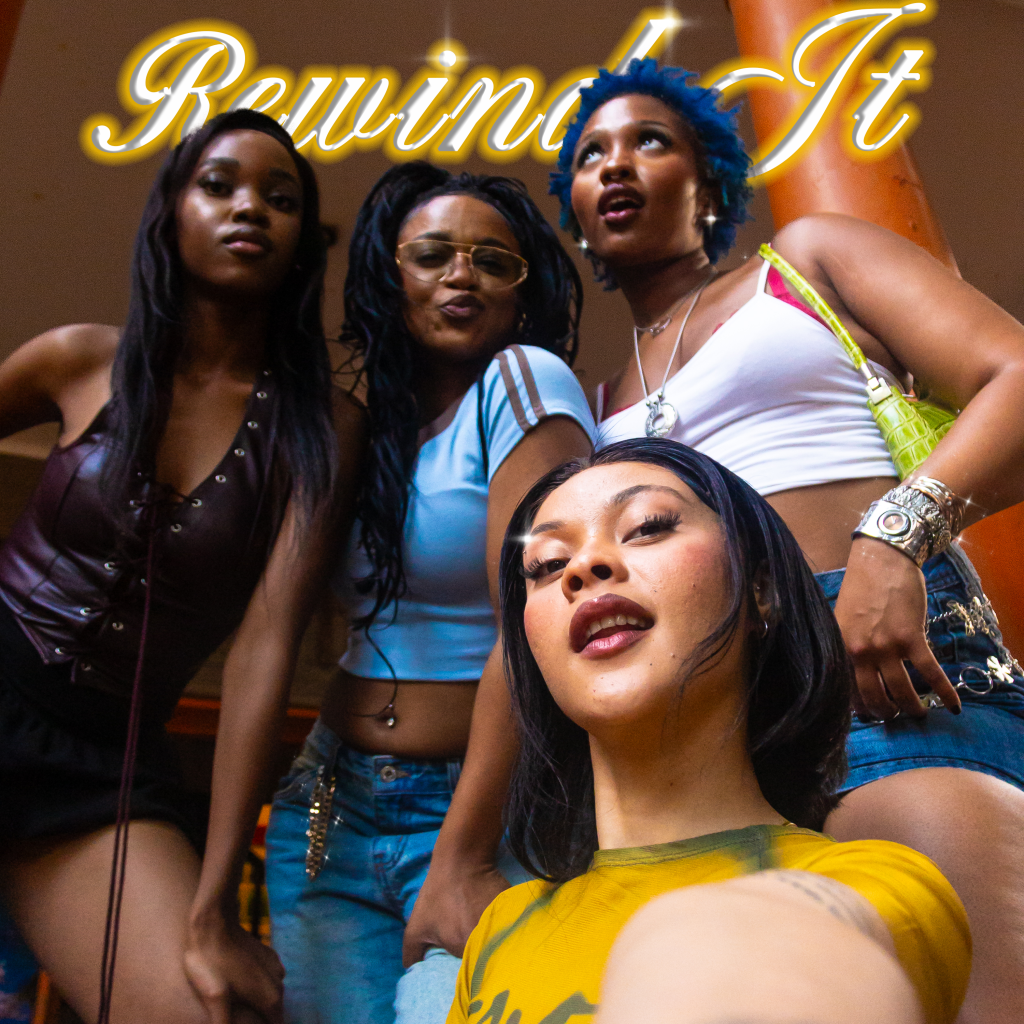
    REWIND IT COVER ART

    These two individual artists decided to start 2026 with an agenda in mind…women. It seems like the two artists and friends came together and saw that the sounds they play in and use as their artform was always built on the needs and please of women. Whether it was singing to praise, flirt, seduce, compliment, uplift or just admire women. The muse has always been women and the love of them while keeping it sexy. They started the year off with their single Rewind It and did it by having a gang of gorgeous girls winding and hip-notising (see what I did there) us while we listen to a mixture of funk and afro-beat sonics. Their second single Women ft Phiwo, released on the 27th of March, is about exactly that…women. This time they had an elevator full of stunning women dancing to their smooth sounds. It shows that they know the history of the music and are intentional about not just making the music but living it and bringing sexy back as Justin Timberlake once did. I could continue and guess how this duo came about and why but wouldn’t you rather hear what the funk they have to say from them?

    INTERVIEW WITH IMANI BASQUIAT & RGR SNW

    Who are you?

    Imani Basquiat: “Imani Basquiat is a Progressive Soul artist, all around creative and ladies man extraordinaire, who thrives in pushing the boundary in creating music that feels like a breath of fresh air and encompassing it in a world that one can get fully immersed in.”

    RGRSNW: “Roger Snow (stylized RGRSNW) is a Afro-Pop / Alternative R&B artist from Pretoria. I love music. I love it so much. Um yeah, I think I just I’m just trying to push boundaries, get people dancing. I love rhythm. I love house. I love I love music that makes people make their feet move. I also love music that, you know, um has an emotive element to it. I love pushing boundaries. I’m experimental on everything. Yeah, that’s what I am.”
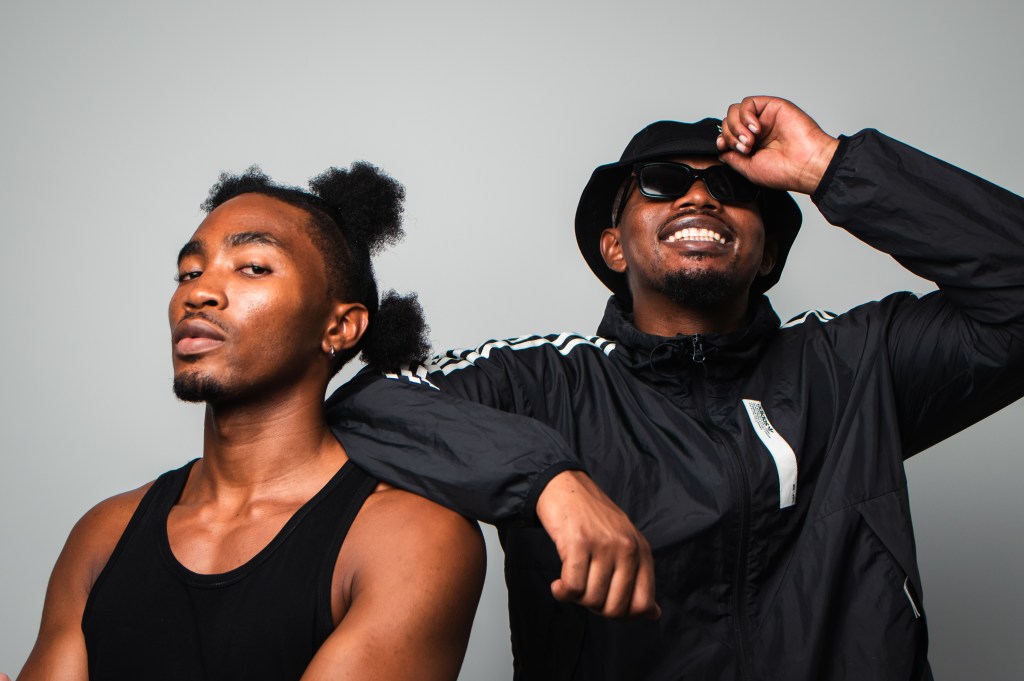
    IMANI BASQUIAT & RGRSNW

     What brought you two together?

    RGRSNW: “What brought me and Imani together? Um, were working with the SAMA NOMINATED Producer Baitu Manong. We were both working with him. Baitu produced 3 projects for me. So, um we appreciate him and yeah man as we started working we started we’re making songs together we have some collabs out like wait but then we started making more music and then the chemistry just started growing and we realized okay let’s keep doing this let’s keep working on this you know I mean so we got a few songs we’re working on and something special coming out soon stay tuned.”

    Imani Basquiat: “We met at SAMA nominated producer Baitu Manong’s studio, and through months of just working on our own individual efforts and observing each other create, and becoming friends – ultimately, we gained an understanding each other’s soundscapes and through that started collaborating.”

    In an age where nostalgia is the trend, what made you want to look specifically at a funk/pop/R&B inspired sound?

    Imani Basquiat: “Growing up I always had the likes of Jazz, Funk, Pop, R&B and a lot of soul music playing around the house. My pop’s has an extensive Vinyl, CD and DVD collection in his study and so every weekend from Friday to Sunday I’d be hearing the likes of Donna Summer, Fourplay to watching Michael Jackson and D’angelo concert DVD’s, and so for me it’s almost poetic that I gravitate towards creating the music I grew up on, the music I knew before I really knew the world like that.”

    RGRSNW: “Old school R&B Usher Chris Brown and you know what I mean the works that my dad was always playing that. Gospel music and all the type of things that us as black people we make or people of African descent, whatever you want to call it, all those type of songs, you know, from even how I was brought up with my upbringing (DRC heritage) like um Warrison and Koffi. So, just bringing everything together, you know what I mean? Um that’s what really inspired and you know, I think Imani and I are really transitioning into a pop star phase that I think y’all are going to love.”

    What separates/defines you as individual artists?

    RGRSNW: “Um, what separates us? Well, firstly (laughs) but for real, what separates us is um I would say Imani is a little more centric. You know what I mean? He’s going to be the n**** that’s dancing and doing all that and that’s fine. You know, that’s him and it’s a beautiful what he does, you know, he must keep doing him. But I’m more of a you know. I’m the big cuz I’m a tall guy, you know. I mean, I’m like I’m like the big guy who’s looking swag and you think, ‘Oh, this n**** thinks he’s too cool for y’all.’ But then I get up there and I wow you with how vulnerable I am and how I sing and how I move and how I interact with you. You know what I mean? I’m more of a juxtaposition whereas Imani looks like what he does. Does that make sense? … Um I think yeah like I said right now you know that’s what defines us you know but um yeah I’m a juxtaposition how my music is so emotive sometimes so slow sometimes so upbeat and also um large spectrum but I’m dressed like a hip-hop artist. I’d say I have the swag as a hip-hop artist. A lot of people tell me that, but I never made a hip-hop song in my life. So, yeah. And then Imani, you know, look like Vanda Michael Jackson. Michael Jackson dance like Michael Jackson feel. Still has that swag though but it’s a different type which is fire to me.”

    Imani Basquiat: “I think it’s definitely our individual backgrounds and personal experiences. We both grew up differently, and even though there’s a lot that we relate to each other on, we have our nuances in how we grew up and the experiences we were exposed to. It’s this aspect of individuality that give’s us our unique storytelling perspectives.”
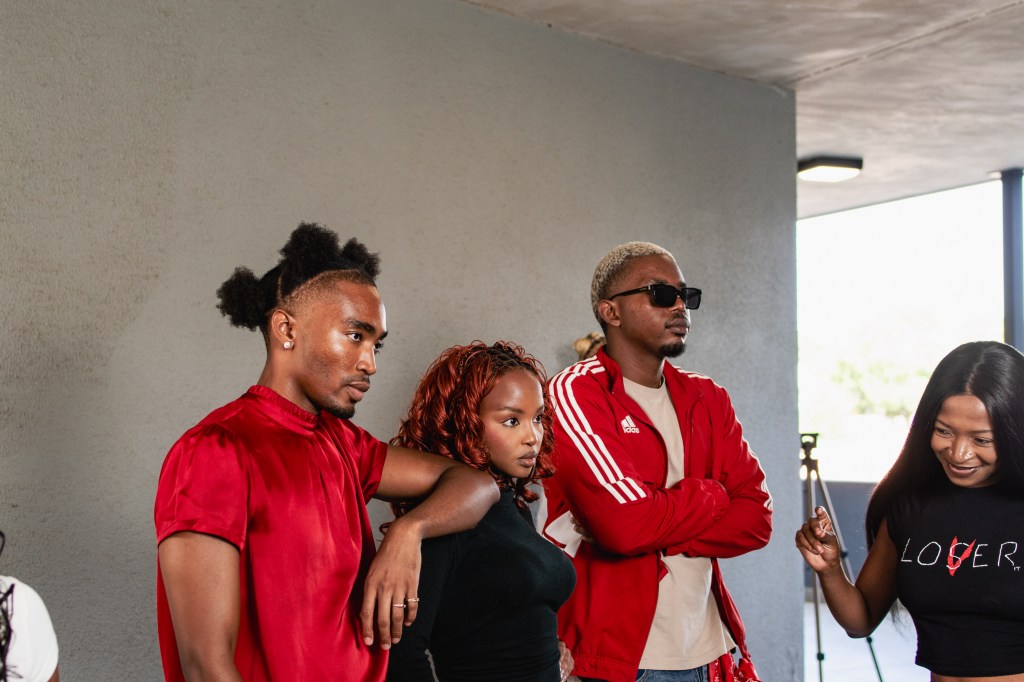
    IMANI BASQUIAT, PHIWO & RGRSNW POSING FOR THEIR WOMAN COVER SINGLE

    What is the importance of portraying a look that matches the feel of your music?

    Imani Basquiat: “This is actually my favorite part of releasing new music! I grew up as a visual artist so this is me still tapping into that side of me. It adds to the world building aspect of the music itself. It gives the record an environment to thrive in and the listener a world to delve into, to experience what we make in the most immersive way possible.”

    RGRSNW: “Very important. it’s a large part of world building, you know what I mean? It’s a large part of um showing people you know who we are and what we do. I feel like clothes is another way to express yourself without saying anything. 60% of language is body language so you know expressing ourselves through clothes and how we. I use my clothes as a armor my music is like very vulnerable. I dress like a thug you know what I mean so you think like ‘yo don’t play with this boy’ but don’t worry I’m a sweetheart. I think it’s very important.”

    Are you lover boys or just lovers of women?

    RGRSNW: “I think I’m a little bit of both. There ain’t nothing wrong with that in my opinion. When I love my shorty, I love my shorty to the fullest. When I’m outside, I’m outside for real and I love being outside sometimes. So, um I love it. I love it. You know, Also, I think I’m also a lover of woman in a wholesome sense too. Sometimes just like kicking it with my homegirls. You know, some of the realest n***** I know are my home girls. So, shout out my home girls.”

    Imani Basquiat: “Hahaha, let’s just say I’m a lover boy who is in a world that forces him to be a lover of women. But on a serious note, I don’t think the one can exist without the other. Take away the adornment of women and the lover boy disappears.”

    Are women or love the muse for you?

    Imani Basquiat: “Love is the frequency for me. It just so happens to be that women are one of the many facets of life that I love, and so I find myself drawing inspiration from that place at times.”

    RGRSNW: “Yes. Um, when I started making music, I’m R&B. So, most of my songs are like diaries about my relationship or how I feel about, you know, my significant other. So, hell yeah. But it’s also just life in general. I think you know um as artists kind of just write from one perspective not every song is about love you know and not every love is romantic so um I think I just love I just write like writing about love and good things in general but women are also one of positive aspects of life I love writing about.”

    What’s the difference in making a project alone vs. coming together as a duo?

    RGRSNW: “uh making a project alone very self-centered very me me it’s very what I want to do, how I was trying to shape this, it also there’s also you get that feeling like it also falls on you, you know what I mean? When the song is doing great, it’s on everybody’s talking about you, but when it doesn’t do well, you know what I mean? The world is going to be like, ‘Man, that’s on you, n****.’ And keep it pushing like, you know what I mean? So, uh, making music on your own, it’s a great experience, but it’s also like very hard but nobody does this alone… Recognition but when we do it together, we get recognition together. We suffer together. Uh, You know what I mean? And then we also compromise, not compromise on ideas, but building on ideas together we’re thinking about ideas that accommodate both of us. Then sometimes when you got a feature accommodate three of us or four of us plus a producer etc you know? So just learning that and just learning how to be in a collaborative space… is really beautiful to be a part of. Um so yeah, that’s the difference between coming together as a duo and doing it on your own. I think I just like love the collaborative aspect of it.”

    Imani Basquiat: “Man…I think the key difference is perspective hey. There’s a saying that goes ‘That which makes us different, makes us great’ and I think that’s so powerful. We have to constantly make room for each other and the work itself – There’s a lot you learn about letting go of control yet still maintaining it, leaving room for consideration and then coming to the result that it isn’t about me or the person I’m collaborating with…It’s about the record. You sort of develop this Hive-mindedness, it’s odd but cool at the same time.”

    I can see inspirations of OutKast, but who are you trying to define yourselves as?

    Imani Basquiat: “The guys that made a really fun project to listen to and experience, the guys that moved the needle artistically and the guys who had the cajones to do something that daring in soundscape, visuals and experience in a climate where most play it safe because of what’s popular in South Ahh…nothing more nothing less.”

    RGRSNW: “Um, you know, shout out to the ATLiens. We very inspired by Big Boy and Dre, you know, shout out Dre. Shout out Andre. Shout out to Aliens. But also at the same time, I think um we got our own feel, our own sound, our own way how we do it. I think what defines us also is that we’re both um vocalists, you know what I mean? It’s not a rapper and singer duo. So, um I think that that’s a real good twist to it where it’s more of a I wouldn’t say like a boy band, but you know what I mean, man. Like it’s a lot more for the shortys. It’s a lot more sultry, Big Boy was the juxtaposition to Dre. And I think what defines us is that I’m not exactly the opposite of Imani. I’m more of a variant of something, but we do come from the same universe. Did that make sense? Word. But yeah, that’s how we define ourselves.”
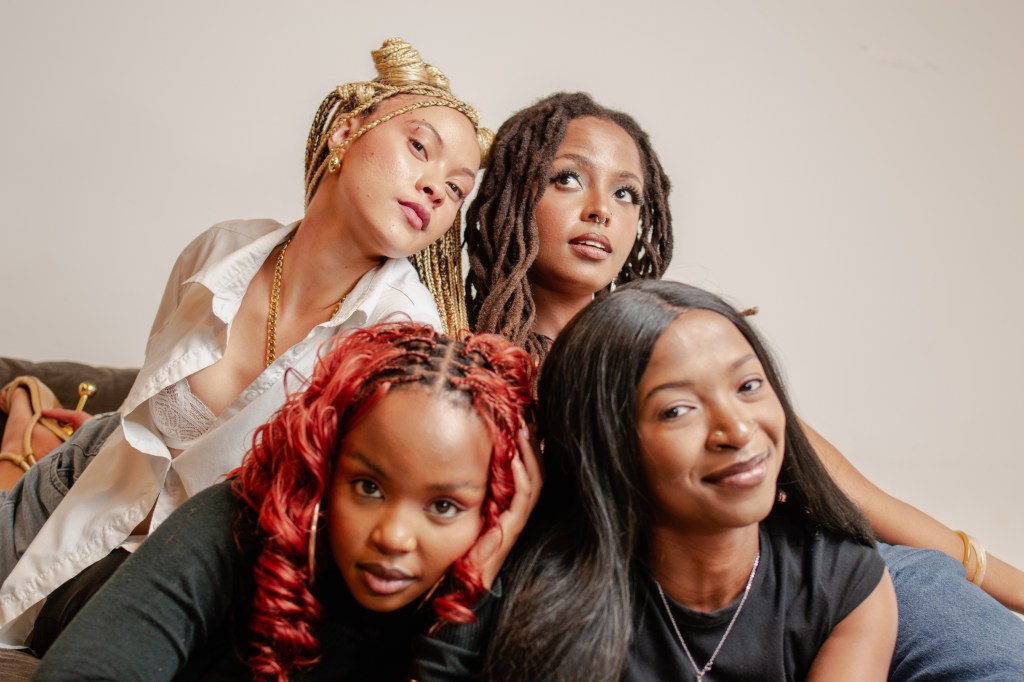
    THE MUSE OF RGRSNW & IMANI BASQUIAT

    Two singles out and both women centered. How’s the fan reaction been? And do n*** hate you?

    RGRSNW: “Um, fan reactions have been fire. seeing how fan bases changes. Um, our fan bases have become a lot more woman centered around this time. I feel like we have a really cult following in terms of our home girls. Shout out the home girls. So, just seeing the love and feeling the love and knowing that everything just feels so genuine cause really we really do be living this life, you know what I mean? … a lot of n***** write music about women from a sense of admiration and not reality, but we know the reality of being around them and how great they are. Do n***** hate us? N***** always going to hate, but we are going to keep going now (laughs). But for real, all n***** really ask us is, ‘Yo, who are those girls in that rollout, man? Those girls looking fly.’ That’s all n***** want to know. But n***** rocking with it. You know what I mean? Shout out to the homies, too. But yeah, man. This for the girls.”

    Imani Basquiat: “It’s being received very well and the one’s who are really drawn to the visuals are the women. As for n*ggas – haha, those that get it, get it and the rest get left behind for real.”

    What can we expect from this duo for the rest of the year?

    Imani Basquiat: “A full body of work, visuals shows and the rest of the world of this project to be built.”

    RGRSNW: “Whole lot of music. The next single coming out soon. We’ve been working on something a little special. We got a name for it. We got everything for it. But we’re trying to make a little bit of a surprise for y’all. So once we’re ready to give y’all more information on that, we’ll give you that. But way more music, I’ll tell you that. Trust, way more music second half of the year. We outside. So, let’s get it popping. And you know, much love Sango Velaphi and Frat Packer for having us word to bro.”
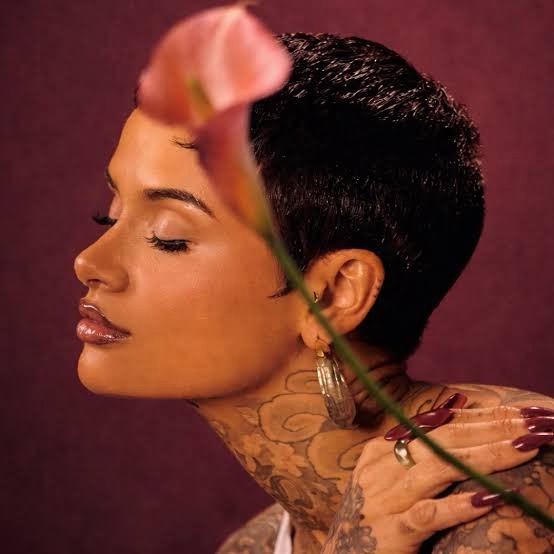
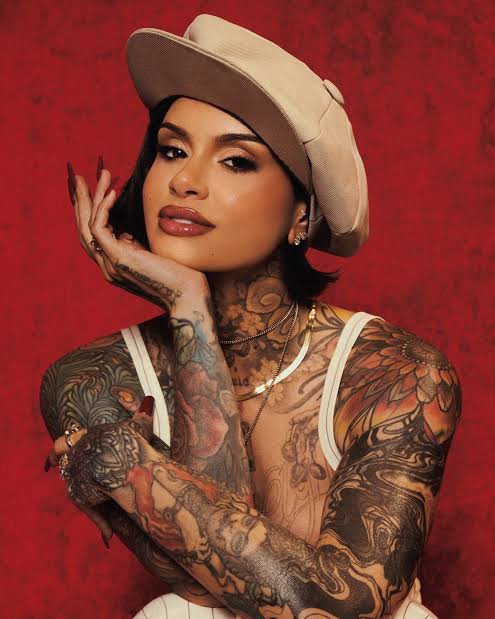
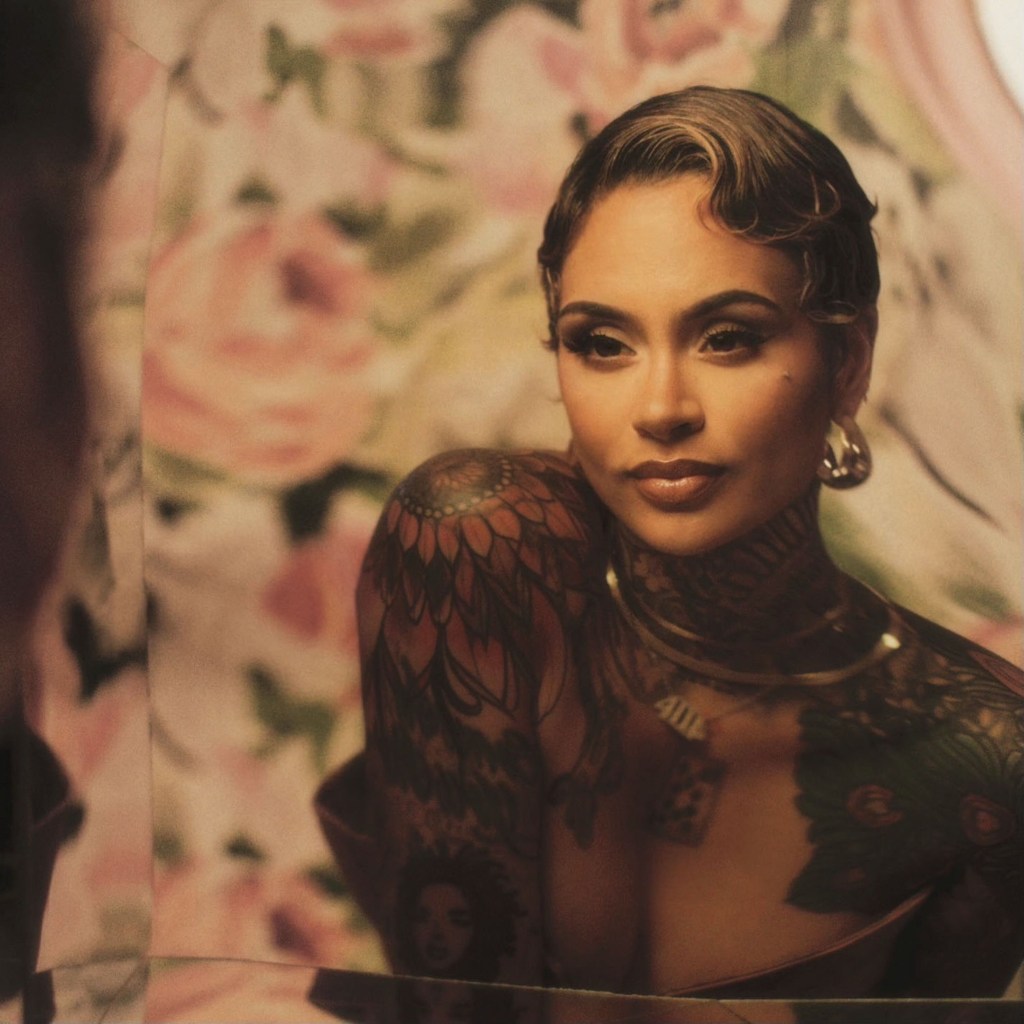
  • There’s something beautiful about watching an artist survive every version of themselves in public. For over a decade, Kehlani has done exactly that. From teenage prodigy to Tumblr-era R&B staple, from heartbreak prophet to spiritual healer, her career has unfolded in real time. Every phase documented. Every scar audible. Every lesson stitched into melody.

    That’s what makes her new album feel so important. Not because it’s louder than her previous work, but because it’s calmer. More intentional. More rooted. It sounds like the glow up after dealing with demons and finding peace. The mood is light, confident, self aware and at peace.

    For years, Kehlani occupied a very specific lane in modern R&B. She made music for people trapped in emotional loops. Music for drunk texts at 2AM. Music for loving people that were terrible for you. Her earlier projects carried that beautifully chaotic energy that defined a generation of internet-age R&B. Toxicity was not just a theme in the music, it was part of the aesthetic. The late-night confessions, the emotional manipulation, the cyclical heartbreak, the push and pull of wanting softness while simultaneously sabotaging it. Kehlani mastered that language because she lived it.

    And that honesty is what made people connect so deeply with her catalog. She never sounded above the mess. She sounded inside of it.

    But somewhere along the line, the music started changing because the woman behind it started changing too. Over the last few years, Kehlani has spoken openly about therapy, accountability, motherhood, spirituality, emotional discipline and the difficult process of unlearning destructive habits. You can hear that work all over this album. Not in a preachy way. Not in a “look how evolved I am” kind of way. More in the subtle maturity of someone who finally understands that peace is harder to write about than pain.

    The growth is most evident in the emotional architecture of the album. The songs no longer romanticize chaos. Vulnerability is no longer framed as weakness. Desire no longer feels reckless. Even when the music touches heartbreak or longing, there’s a level of emotional clarity that wasn’t always present in earlier Kehlani records. She sounds grounded. Present. There’s less running. Less spiraling. More reflection.

    That makes the success of “Folded” feel even more significant. The record became an anthem not because it was explosive, but because it was emotionally precise. “Folded” captures the kind of mature heartbreak that arrives after self-awareness. The writing has a sense of taking one’s power back. It doesn’t beg. It doesn’t perform. It simply sits with the disappointment of love that could not survive growth. That emotional sophistication is exactly why the song resonated the way it did.

    What makes this album hit even harder is the fact that it took this long for Kehlani to finally arrive at the self-titled era. Artists usually self-title projects when they believe they’ve reached their clearest artistic form. It’s almost like planting a flag and saying: this is who I am. No characters. No smoke screens. No protective layers. Just me.

    For Kehlani, the self-titled album feels earned. It feels like the culmination of years spent navigating fame, motherhood, heartbreak, identity, queerness, spirituality and public scrutiny. Instead of chasing trends or reinventing herself for the algorithm, she chose to make an album that feels deeply connected to the roots of R&B itself.

    The project plays like a love letter to the genre. You can hear traces of 90s and early 2000s soul throughout the production. Warm basslines. Silky harmonies. Great instrumentation. Slow-burning grooves that prioritize feeling over virality. Yet the album never sounds dated. That’s the genius of it. The production understands the history of R&B without becoming trapped inside nostalgia. It feels current while still honoring the lineage.

    That balance becomes even more powerful through the collaborators she brought into the fold. When artists like Usher, Brandy, Missy Elliott and Lil Wayne appear on a project, it means something bigger than star power. These are pillars of RnB, soul and hip hop. Their inclusion almost feels ceremonial, like Kehlani positioning herself within a larger tradition rather than outside of it.

    And importantly, the collaborations never overshadow her. They reinforce her vision. Brandy’s presence feels especially symbolic considering how much of Brandy’s vocal DNA exists across modern alternative R&B. Usher brings that effortless grown-man smoothness that defined an era of radio domination. Missy injects rhythmic unpredictability and edge. Wayne, as always, bends melody and rap into something instinctive and emotional. Together they help Kehlani create an album that feels multigenerational. Even the way the Clipse fit into Kehlani’s world is seamless. A song that could fit in the late 90s to today (shout out to her for letting Pusha T double down on some of his relationship takes lol)

    But beyond all the features and production conversations, the real triumph of this album is emotional. Kehlani sounds lighter. Not happier necessarily, but freer. The music feels less concerned with proving desirability and more interested in protecting emotional intimacy. That’s a huge difference.

    A lot of artists spend their careers trying to become icons. Kehlani spent hers trying to become whole. That journey is written all over this album. And maybe that’s why it lands so deeply. Because beneath all the lush harmonies, elite features and beautiful production choices is a woman documenting what it sounds like to finally choose peace over performance.

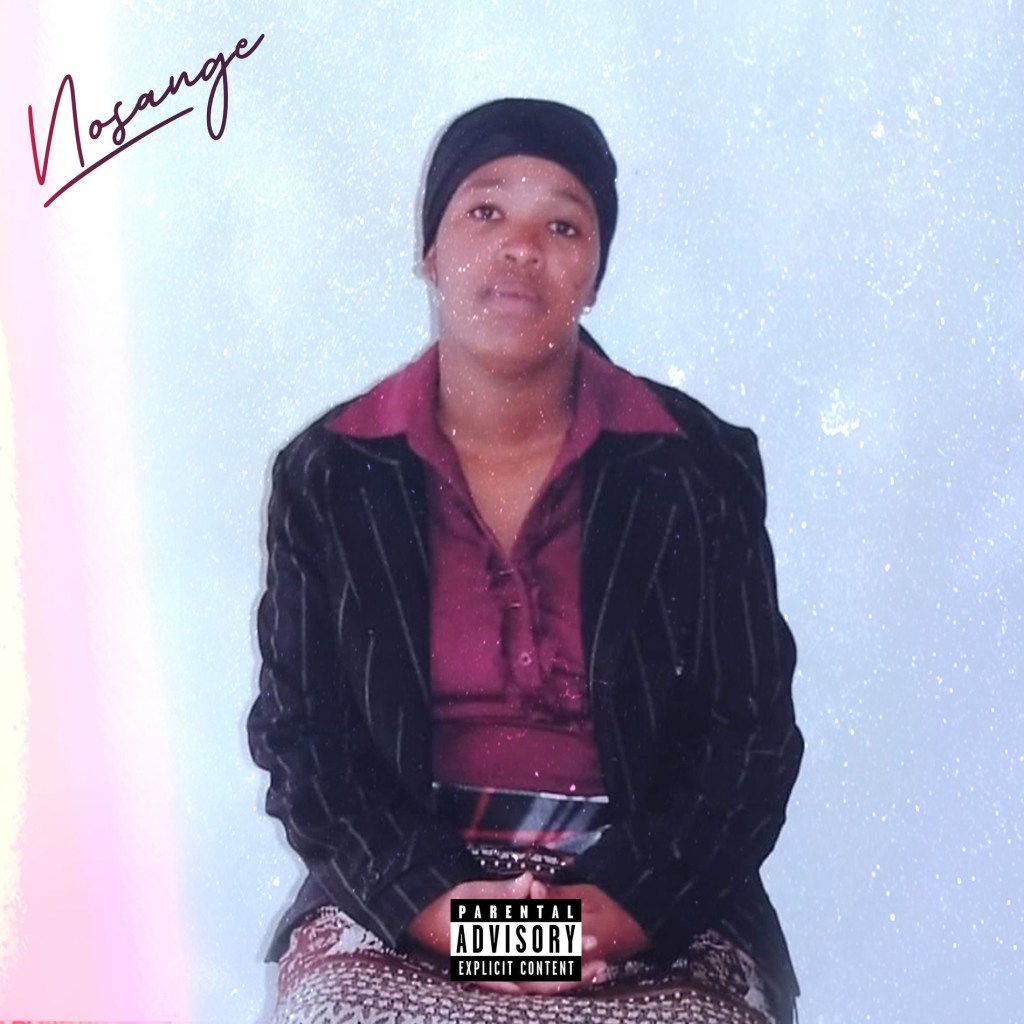
  • There’s something powerful about a debut that reveals who you are to the public. Lowfeye taps into that power on Nosange. After carving out a lane through EPs and the Qwellers movement, this album feels like a long exhale. It’s honest, unfiltered, and deeply personal.

    What hits immediately is the vulnerability. He strikes a wonderful balance of bars for the sake of flexing skill and opening doors into who he is, where he comes from, and what’s been weighing on him. There’s a musicality that carries that honesty; a kind of softness layered over sharp lyricism that makes the album feel lived-in rather than performed. You get to meet him and get well acquainted with who he is.

    The collaborations are intentional and textured. The Lia Butler feature lands in a way that feels both unexpected and necessary adding a richness that stretches the sonic palette of the album. And in the midst of all the Qwellers noise and rumours, there’s something grounding about seeing names like Blue Pappi and Lacabra show up. It reads less like industry politics and more like brotherhood still finding its way into the music, which makes those moments hit harder.

    Then there’s the cultural weight. His gratitude toward Sjava is mentioned and felt. “Ethegwini” stands out as one of those records that transcends just being a song. Bringing in Shwi elevates it even further, tapping into something deeply rooted in South African musical heritage. It’s the kind of collaboration that sounds good and has meaning. 

    Lowfeye also delves into universal themes and puts on an advisory hat. “Check Em” cuts through with that familiar sting of betrayal, calling out fake friends with a clarity that feels both personal and universal. It’s the type of track that reminds you that growth often comes with isolation, and he leans into that discomfort instead of running from it.

    But the emotional core of the album sits with the title track, “Nosange.” Dedicated to his mother, it’s tender without being overdone, vulnerable without losing structure. There’s a quiet strength in how he approaches it letting the music carry the emotion instead of forcing it. It’s one of those songs that lingers long after it ends.

    By the time the album closes, what’s clear is that Lowfeye isn’t asking for permission to exist in hip hop he’s claiming his space in it. Fully, unapologetically. Nosange doesn’t chase trends or try to fit into a moment. It builds its own, rooted in honesty, culture, and a refusal to be anything other than real. That’s where the magic is.

  • A FOREIGN CONCEPT IN SOUTH AFRICA

    South Africa a country known for its diversity, culture, traditions, music, arts and fashion. One thing that doesn’t get highlighted as often besides when certain fields is our sporting pride. By any and every definition South Africa is a sporting nation and one of the biggest and best in the world. The only problem is that it feels like we don’t market and invest in ourselves like we should be and that’s from government to the fan.

    I’ve felt this way for some time now but after attending the LIV GOLF and The Basketball African League (BAL) [the African division of the NBA], it’s clear to see that the money for investment is there and has always been there. It’s just that in those two instances it came in the form of entertainment and production instead of the development of the actual sport and athletes. Before I get further into these thoughts and observations, let us explore the reasons why South Africa is a sporting nation and all that has been happening in recent years.

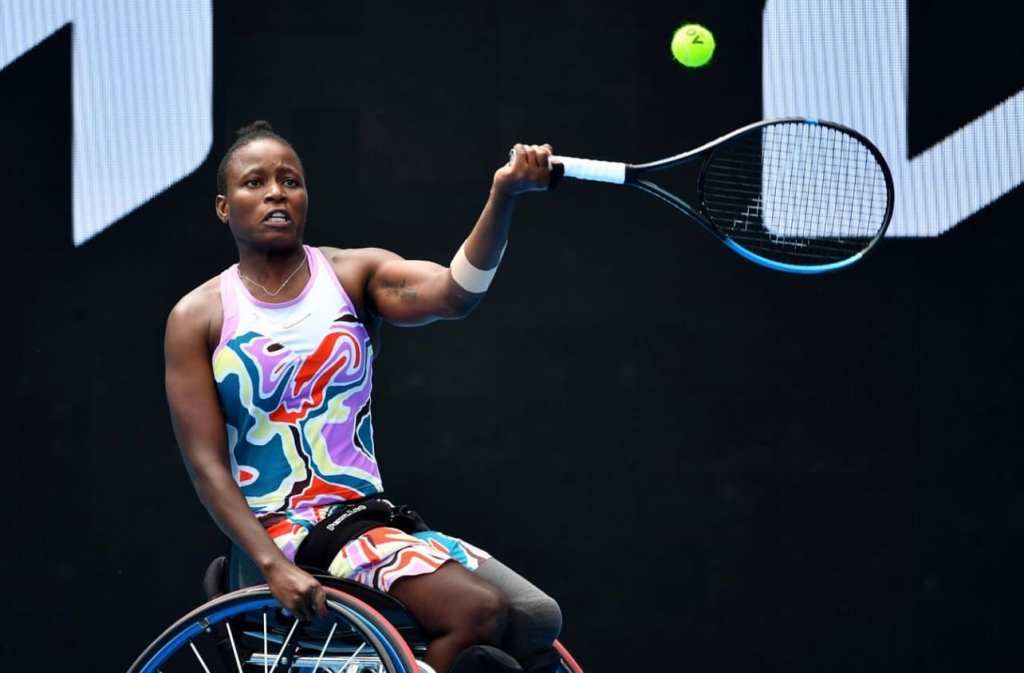
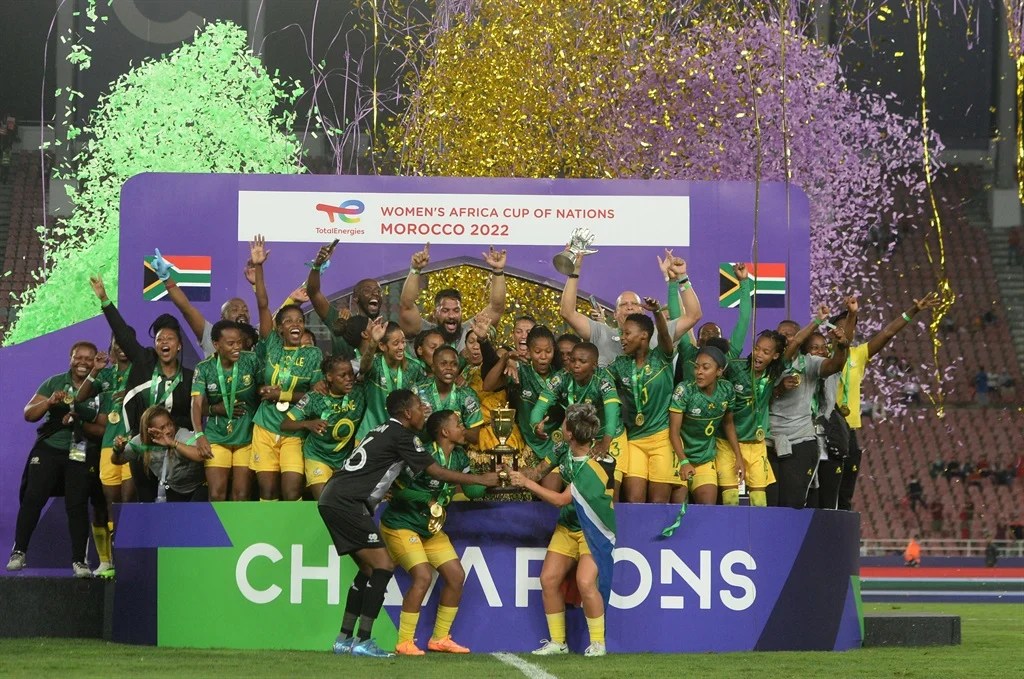
    Since 2010 these are the historic sporting moments and events that have taken place in South Africa and our national teams. To start with South Africa was ranked as one of the top 10 most athletic countries in the world. We hosted the 2010 FIFA World Cup, 2013 CAF Africa Cup of Nations, 2023 Women’s T20 World Cup, 2023 Indoor Hockey World Cup, 2023 Table Tennis Championship, 2023 Netball World Cup, The South African Open, Banyana Banyana won the 2022 CAF Women’s Africa Cup of Nations, The Springbok won back-to-back Rugby World Cups (2019 and 2024), Proteas won 2025 ICC World Test Championship, Dricus “Stillknocks” du Plessis won the UFC Middleweight Title in 2024, Kgothatso Montjane won the Wimbeldon’s women’s double wheelchair title in 2024, South Africa has won 8 gold,12 silver and 5 bronze medals at the Olympic Games.

    South African Wheelchair Tennis Player Kgothatso Montjane

    When you look at what we’ve done on a global level and then you look on a national level the way we take our high school sports and sports festival seriously. The number of professional leagues and sports we have in the country. The way we gather as a nation whenever a big rivalling match is on, whether it be football, rugby, cricket or any sport you can think of. We have some of the most vibrant, dedicated, enthusiastic and loudest sport fans in the world. You would think that with all the events, wins and fandom that it would feel like we are a country that promotes and invests in its sports but no, doesn’t feel like that at all.

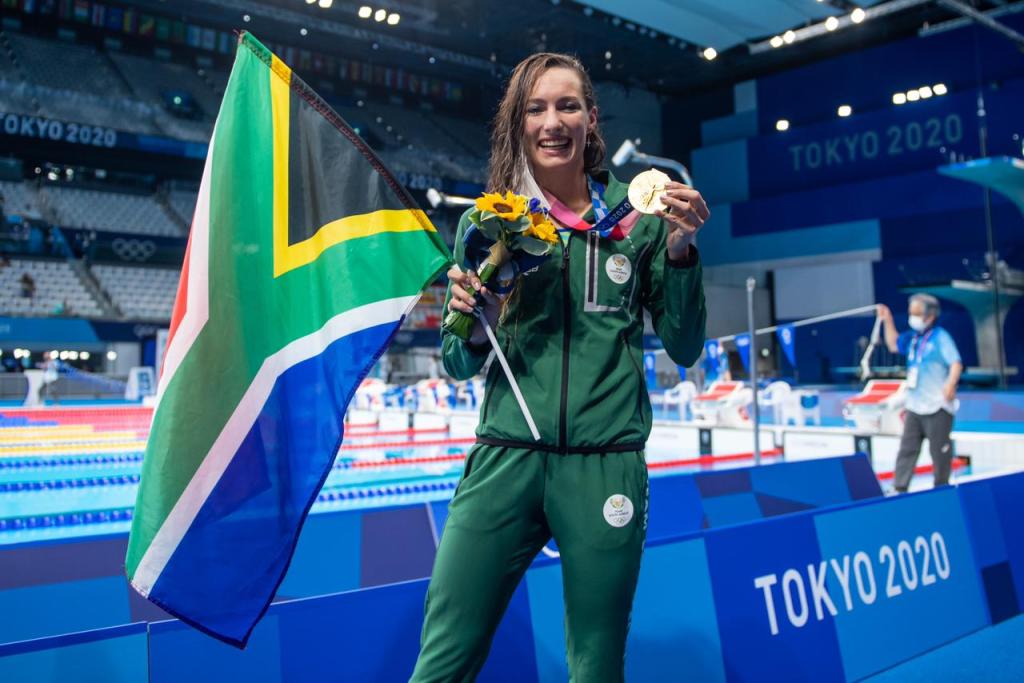
    When I say investing in sports, I know the first thing that comes to mind is money, development, infrastructure and so on but the first thing that comes to my mind is the community and fan engagement. I say this because excluding the big three of sports (football, rugby and cricket) it feels like the fan involvement of every other sport is a niche culture or activity. I don’t say this because the fans aren’t doing enough but the rest of the public isn’t getting involved like we should. When Tatjana Smith won her gold medal in the 2024 Olympics and the whole country had found out she was self-funding herself and what the bonus was, there was a whole lot of uproar about us not investing in our sports and athletes. Seeing this uproar the first question that came to my mind was but are people actively going out looking to go watch local swim meets and competitions. How can you expect the government to invest in a sport that people seem to not watch or care about until it’s time to care about it? The same can be said for many other sports in South Africa. Are we taking the time to go and discover these fan bases and cultures? Listening to the fans who have started podcasts, journalism and documenting these different sporting competitions and events?

    When it is said, “That the people shall govern.”, it means that we as the people must act and lead. We want government to invest in us and our sports, but we aren’t doing that ourselves at a ground level. Now part of that is due to poor marketing and that can be accounted to not having the money or investment from government. For example, all those competitions that I mentioned in the beginning that we’ve hosted as country, how many people knew about them? Where they advertised to the public? Was there a push for fans to watch and join? Were they being broadcast on tv or radio or even streamed? If I wasn’t into table tennis and research myself, I would have never known about the World Championships. There is a huge disconnect happening and we need to find it and fix it as best as we can. Sports aren’t just a fun time but can be an outlet for many and as well as career paths for others.

    South African Gold Medalist Swimmer Tatjana Smith

    That is why it is sad to see that there are not as many after school programmes for all the diverse sports we have and making these programmes acceptable to all. We always here over the overseas stories of rags to riches using sports or see the Hollywood movies of how sports saved children from taking the wrong path in life by giving them discipline, a goal to achieve and support structure through the team and the friends they build from that. Sports is another medium to instil positive mindsets and habits into children’s lives. It starts by teaching them discipline through exercise, teaching them about nutrition and taking care of their bodies, helping build their mental health by learning to not just play with others but a supportive teammate, deal with failures in losses and how to handle success in victories, and these help to build their character as they grow. Coaches become mentors, friends and elders in their communities that the young can seek guidance and advice from.

    These programmes can also expose children to a new world and reality that could never have imagined. We know that townships were designed to disadvantage Black and Coloured South Africans and not having amenities like swimming pools, courts, fields with grass (actually believe all greenery was removed to promote that there is nothing to grow from the township but that’s an article for another day) and such they are not given the privilege of options and variety. Creating programmes specifically for these communities would do amazing wonders introducing kids to the diversity we have in sports, swimming, volleyball, tennis, table tennis, hockey, basketball, cricket, rugby, athletics and so much more. These programmes can also help show that there are a wide variety of careers to be had in sport than just being a sportsperson. You introduce them to coaches, trainers, physiotherapists, sports psychologists, agents, managers, the groundskeepers etc.

    This is when we need the government involvement and where we should be putting more pressure on them to actively help promote sports in South Africa. The government needs to dedicate themselves to building these programmes to show that there is a foundation for people to invest in. To help build and renovate communities but helping build and fix the infrastructures such as the courts and fields, and this can lead to helping create jobs in the community by recruiting people to be groundskeepers, managers, employees to help maintain and sustain these infrastructures and what would hopefully become clubs overtime.

    Banyana Banyana Lifting The Women’s 2022 AFCON Championship

    The investment needs to come from our local government, and investment becomes even though there is foreign investment it doesn’t feel like they care about the growth of the actual people and communities. I take the BAL for example. It is a collaboration between The International Federation of Basketball (FIBA) and the North American National Basketball League (NBA), the first time the NBA has sponsored a league outside of North America. The league features 12 teams from 12 different African countries. On the surface it is a fantastic opportunity for many and has created jobs, investment and opportunities but when really examining into the structuring of the league it doesn’t seem that way. The league schedule is split into 2 conferences, the Kalahari and Sahara, with 6 team in each conference. The problem comes in the fact the games are played over 3 different weekends (the end months of March, April & May) and in 3 different countries (South Africa, Morocco & Rwanda).

    This is problematic because there’s no consistency in the games, which mean teams can’t consistently train and since they are not playing games and getting paid it makes trying to find time to train difficult and everyone involve has to focus on jobs outside of the sport to maintain their livelihoods. The use of different countries makes it so that there is no infrastructure that can be built and consistently worked on, so it feels like a pop-up for the weekend and then gone again. All this means that teams and players don’t train as much, build chemistry together and the league feels like it is here today and gone tomorrow. Ideally if they could pick a country and do a deal where each country gets an invest of three years to host the league which runs over a period of 3-4 months with a development league like the G-League to fill in some gaps, it creates a more sustainable model for everyone involved, including the fans.

    Obviously, I do understand there are deeper organizational dealings that are undisclosed to the public, but it would be amazing to see more from this investment into Africa. I just feel that in this country with the diverse people, culture, talent, athletes and sports we have that we have the potential to be a great and globally dominate sporting nation, creating legends and hall of famers across all sports. Sports can be more than just a game played with friend but a life changing medium that provides us with support and structure in our lives, creating unity and national pride.

  • CR8TING CONVERSATIONS, CONNECTIONS & CURIOUSITY

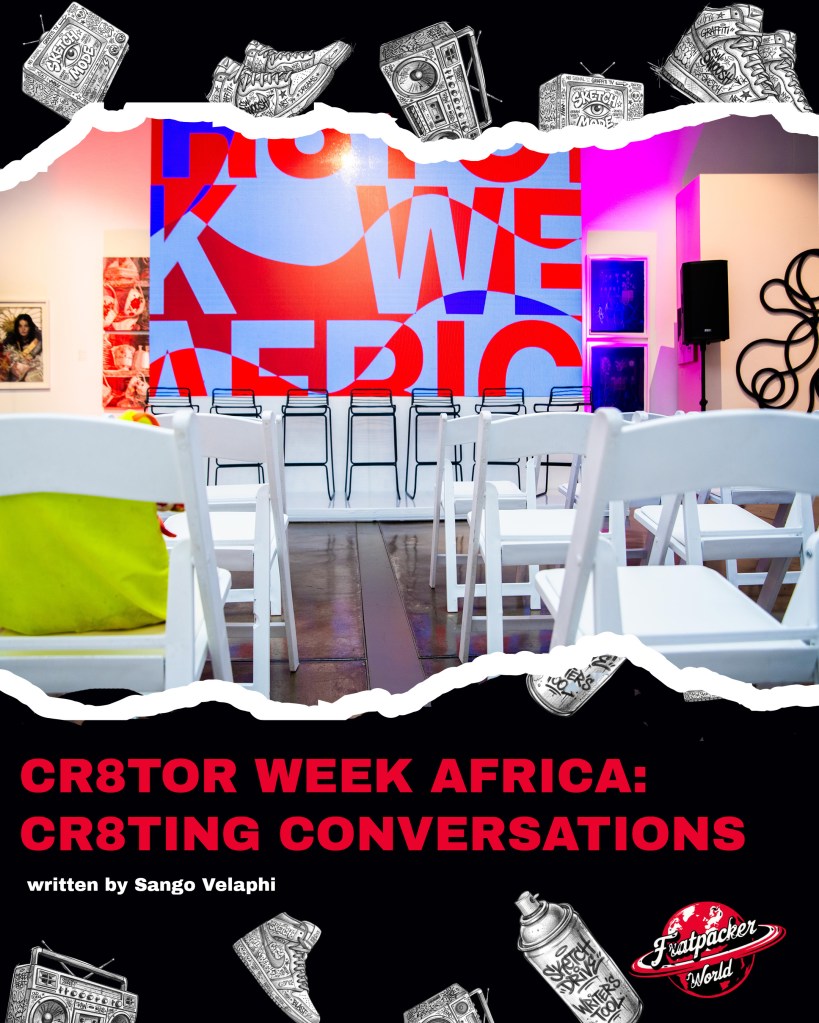
    Creativity is not birthed in isolation nor fear. It is birthed from community and curiosity. Being in a world where we are influenced and affected by the environment, cultures and people around us, it is impossible to say that your creativity was sparked alone and by yourself. The questions that were burning inside you. The ones that had you asking around and searching high and low for the answers. The ones that had you stretching and exercising your imagination to the fullest. Those questions were your curiosity leading you to create new answers and logic for yourself. The biggest problem we find in creating is trying to connect ourselves as a community with so much going on. There are so many new creations being made. Conversations being had. Communities that are being built. Curiosities being explored everyday and yet it feels like they all go unseen or unheard, unless you in the Illuminati fold. Well thanks to the great people at The Kollektive, they are helping to break that mould with CR8TOR CON and recently hosted a week of panels called CRTOR WEEK AFRICA.

    The Kollektive is an advertising agency that focuses on experiential marketing that has been running since 2017 and founded by Jay Kayembe. They’ve always had a focus on the creative space encompassing all aspects [art, music, fashion, design, media] of it as part of their messaging and their way of pushing forward the creative. They focus on opening doors and introducing new names into rooms that creatives struggle to get into or don’t even know they exist. With this mission and passion in mind The Kollektive birthed a new experience called CR8TORCON for creatives to engage and create in-person conversations amongst each other and with professional and experienced creatives. Their debut happened in 2024 and have been going strong since then having panels in both Johannesburg and Cape Town.

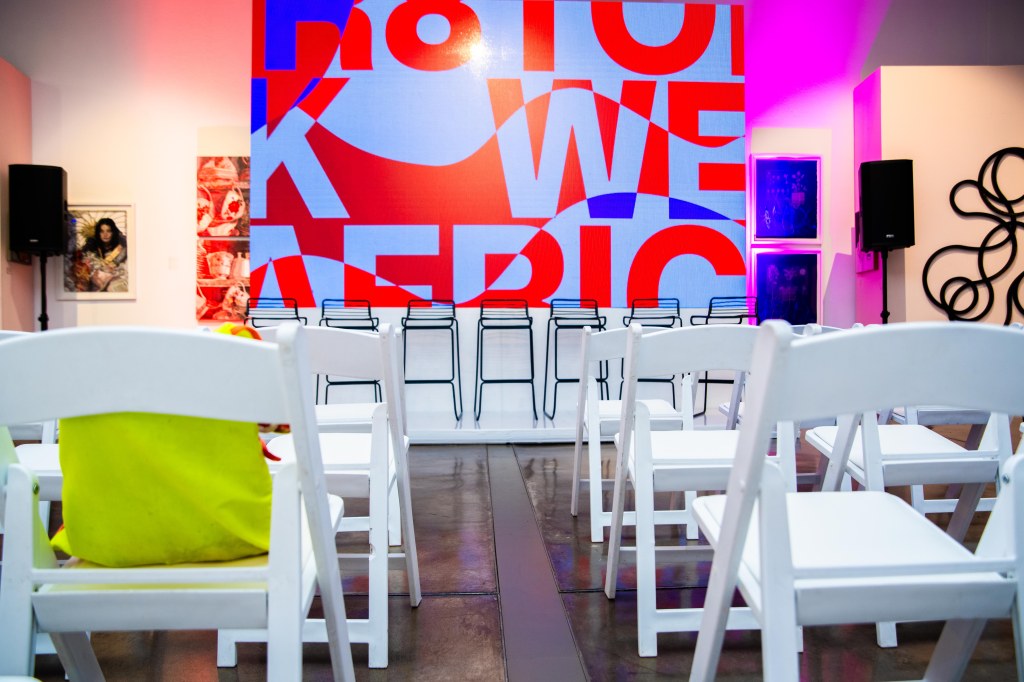
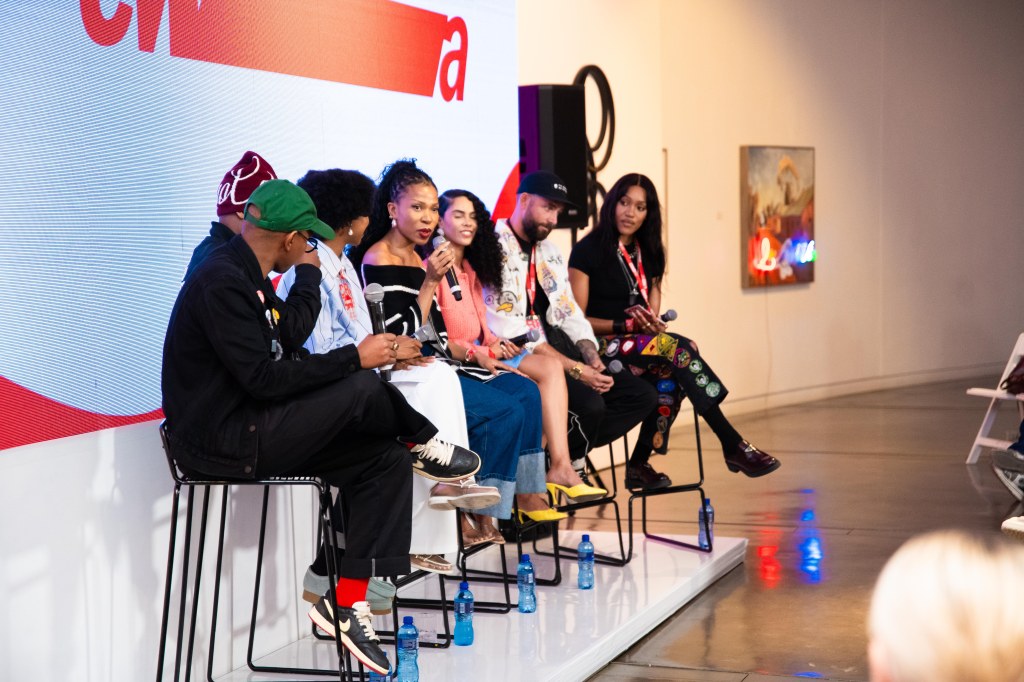
    THE CR8TOR WEEK AFRICA PANEL SET

    This year The Kollektive decided that a one-day panel wasn’t enough and decided to see how far they can push the experience and conversations. CR8TOR WEEK AFRICA was born. For a whole week starting from the 24th of March – 29th of March 2026 The Kollektive had a week of experiences and panels built towards helping local creatives gain more knowledge and insight into the creative industry as well as providing activities promoting health, fitness and fun. CR8TOR WEEK AFRICA [CWA] consisted of 4 nights of panel discussions, a run club, Pilates and an after-party to wrap up the week. The panels each had their own theme and discussion points being split into Corporate Culture, Design, Art & Music.

    To start off the festivities, there was a 5KM run club that took place on the 21st of March in partnership with Rexona & Vault Strength Club. I would love to tell you how it was, but when I say, “I run the streets”, I’m speaking more figuratively the literally. What I can speak to is the official launch of CWA, which took place on the 24th of March 2026 at the Mesh Club, at Keyes Art Mile Gallery. The launch was beautiful and elegant. Arriving to free champagne, wine and tapas was definitely a wonderful way to start the week of panels but even better than that was the actual panel and topic being spoken on. The topic was corporate culture, which does sound more suit and tie then art and expression but the plot twist is that it was more about how the cultures built by creatives and their communities can be adapted into the corporate space and how to extract the resources from corporates to support, invest in and help build these cultures. The panel led by, broadcasting legend, Loot Love featured keynote talks from international speakers in Andrew Nocker & Leila Fataar. Both talks were interesting and informative with Andrew speaking on how AI can be evolved to make art more accessible for creatives while at the same time keeping quality control and Leila having experience working with Adidas & Diageo, taught us how you can bring the corner store talks into the corner office space.

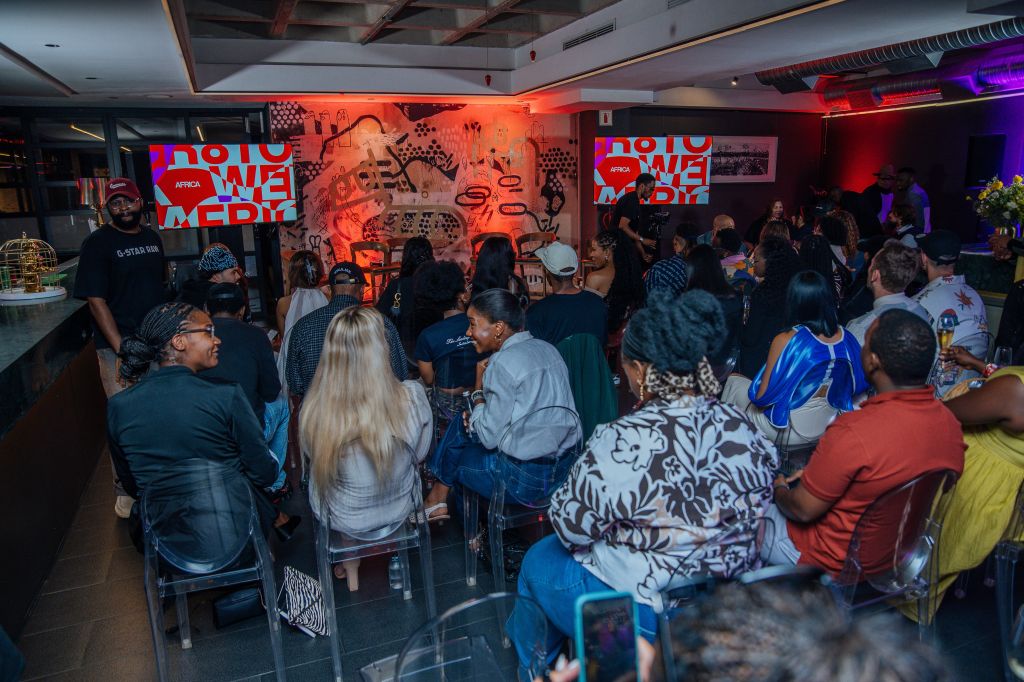
    THE CORPORATE CULTURE PANEL NIGHT

    The keynote talks were followed by a panel featuring Kenzero, Sunshine Shibambo, Jean Dimitri and as well as the two keynote speakers. It was lovely hearing and learning from each panellist because it exposed you to worlds and people that you never knew of, which expands into seeing things that are possible that you never had even thought or imagined could be possible. Hearing different experiences of working with brands and corporations and insider stories, such as Sunshine’s Channel O logo story (don’t worry we’re working on making the interview happen so you can read it for yourself) and many more felt inviting and created a safe space to have honest and open conversations amongst our peers. It was also a fantastic opportunity not to just network but catch up and have discussions with our creative peers.

    The second night of panels took place on the 26th of March 2026. It consisted of two panels that took place at the same time, which caused some trouble for people having to decide on going to one. It would have been nice if they could have separated them either by days or time slots but organising such a detailed production and catered event isn’t easy and is NOT cheap at all by any means, so I understand how logistically this was the best solution for the night. The two panels taking place were the design and art panel. The design panel consisted of; international designer Sean Brown, Misha Van Der Hoven, Jared Fynn, Mickyle Berling, Francois Ferriera, and hosted by Tony Gum and Scoop Makhathini. I wish I could tell you how it was, but I opted to go to the art panel that consisted of; Nene Mahlangu, Damn Vandal, Cherné Africa, Sanele Qwabe, Simhle Plaatjies and it was hosted by Kabelo Moremi and Tinuke Eboka.

    CWA ART PANELLIST: Kabelo Moremi, Simhle Plaatjies, Nene Mahlangu, Cherne Africa, Damn Vandal & Tinuka Eboka (left to right)

    I opted for the art panel because of two reasons: Damn Vandal & Sanele Qwabe. Having a passion and love for graffiti since a kid, I needed to see and hear a legend, in Vandal, speaking on his work and experience. Then having a love of comics and anime which leads into toys and action figures I had to go and see Sanele Qwabe, the creator of Kind Kid, live in action because I am a groupie, so much so that I couldn’t even go say. “Hi.”, because I was going to fan and geek out so hard. Now, while I might have been there to see those two specifically, I got more than I bargained for and imagined. Starting off with Nene Mahlangu who is a self-taught artist and excellent at it so much so that she was commissioned by The South African Reserve Bank to design money. Yes, that’s right her art is on money and not just that her story and motivation to have a black woman be featured on money for the first time in South Africa was inspiring and eye-opening because from going to creating in your bedroom to creating mint-press is crazy. Her passion, personality and fearlessness in express herself and opinions (trust another interview we are working on because she has a crazy story to tell) showed that authenticity will never be under-valued. Then you get panellists like Simhle Plaatjies who has 20 years of hockey experience before going into art professionally and working with international brands, showing the versatility and brilliance of black women.

    The art panel truly left me in awe and adding more names to my, ‘I’m such a groupie of…’ list. The last pane of the week took place on the 27th of March, and the focus was music, so you know I had to be there. The music panel featured; international DJs Jean Dominique, Mila-Rose and MamThug, international dancer and stuntwoman Sne Mbatha and was hosted by Fif_Laaa and Leddi G. Firstly, it was lovely to see a panel just full of women and especially in the music space where the voices that are given spaces to be heard and have impact and usually men dominated. This alone helped break down the mental and physical barriers for women in the space. Secondly, hearing all the remarkable things and the perspective of these leaders in their respective spaces just showed how much more development and investment is needed not only in the music space but in women in the music space. There are so many barriers and blockades that the fact they were able to still push through it all while keep their spirit and who they are intact is nothing to take lightly and we are working on making sure their stories and voices get heard on this platform.

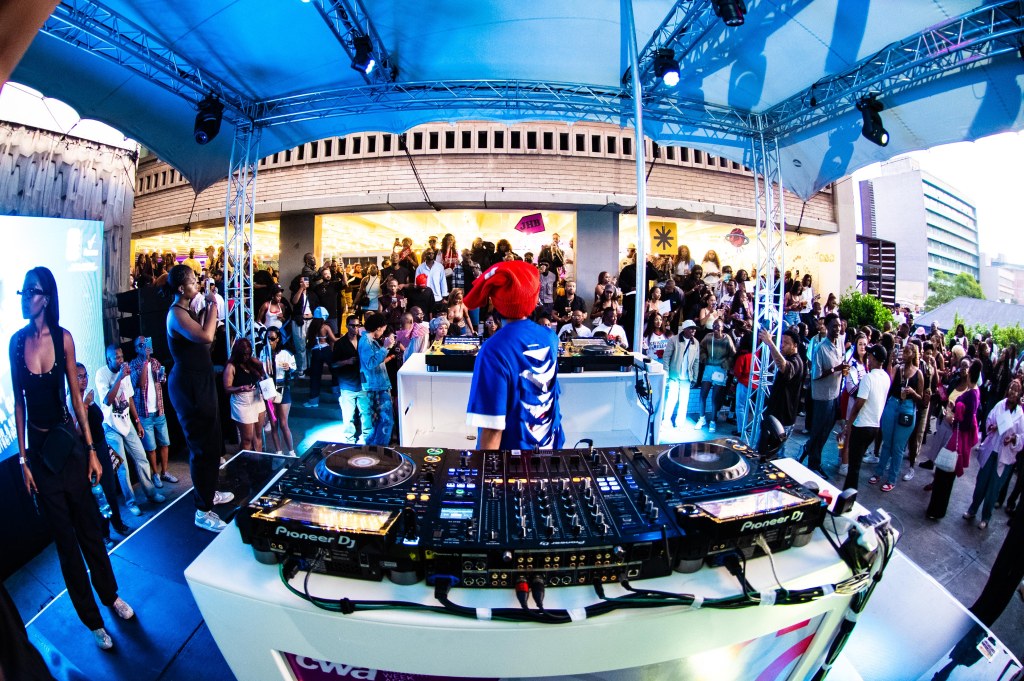
    DJ K Mat On Decks At The CWA x Soundset Sunday Wrap Party

    I have to mention that after every panel there was a bit of an after-party with DJs, food and drinks to go around and just have people vibe out while we get to know, catch-up, chat, laugh and mingle with all those who came to the panel. These were all dope chill and hang sessions, but the real after-party came on the 28th of March with the CWA Wrap Party held in collaboration with Soundset Sunday at The Playground. If you don’t know about Soundset Sunday, then you’ve been living under a rock and unfortunately this is not the article to help you move from that rock but I can say this was the Soundset to be hosted on a Saturday and feature two stages. All I can say is that the wrap party really did feel like a party to release your inner creative no matter your occupation and profession. The aesthetics, activation, food, music, people and all-round joy that was had was the perfect way to wrap up a historic week. A big thank you to The Kollektivefor opening worlds, minds and doors for the creative community and we pray for your success so you can keep up the magnificent work and fighting the good fight.

  • THE NEW SUPERHEROES OF THE GEEK WORLD

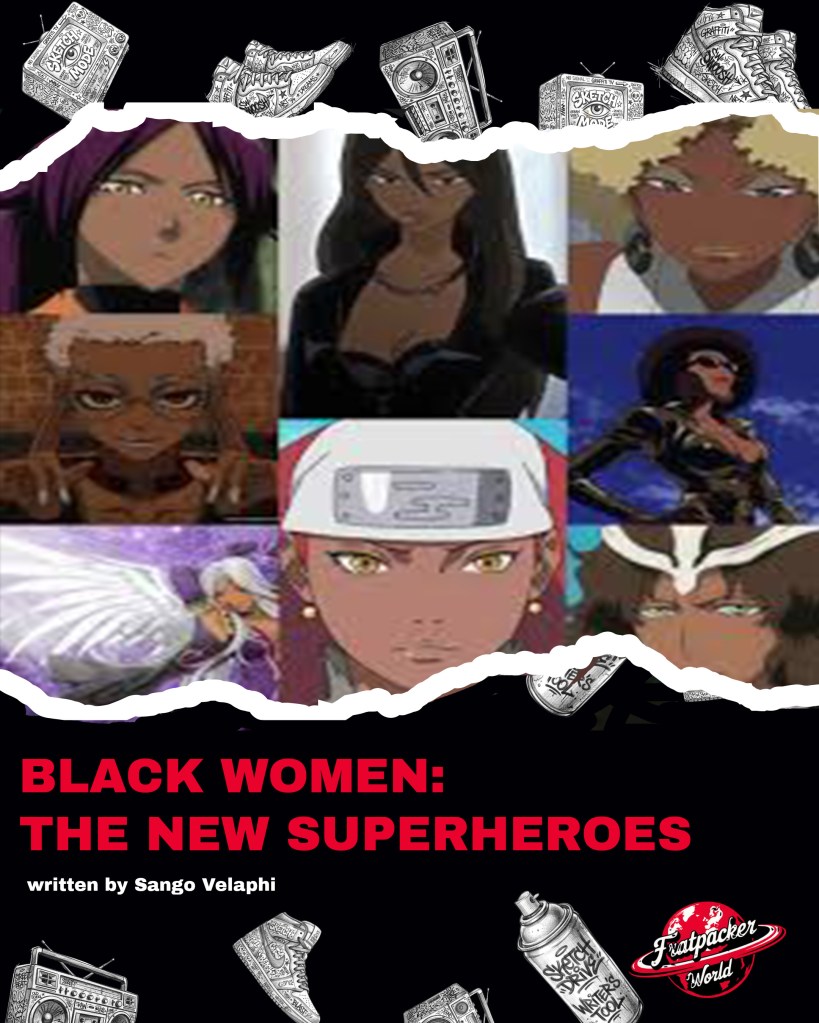
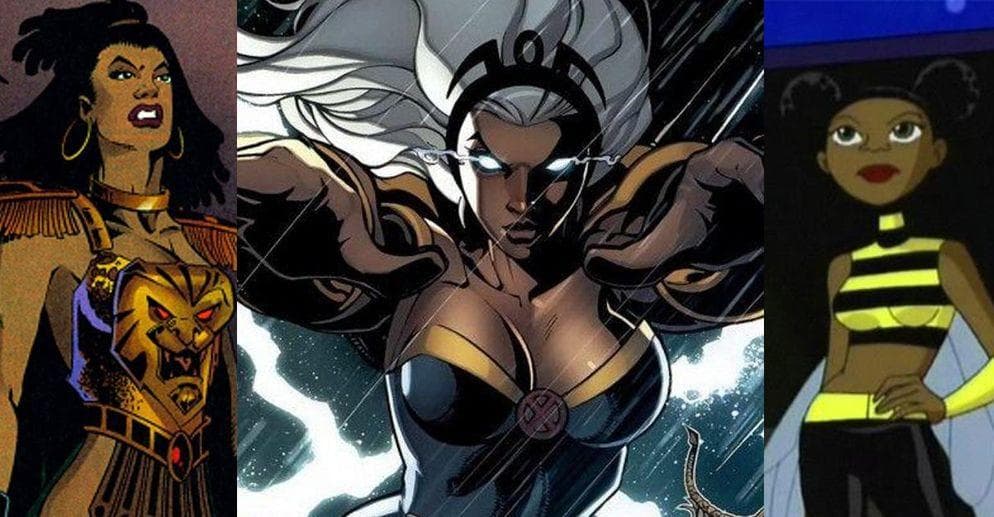
    Since the beginning of time, we’ve always heard the story about the damsel in the distress, especially in the comic book, sci-fi, superhero world. It’s uncommon that the women are usually the ones being the heroes and saving the men. Even more rare that you’ll find a black woman being the superhero. That’s why it’s so refreshing and a wake-up call to the nerd and geek community, which I am loudly and proudly apart of, that the recent rise in popularity and interest into things such as anime, comics, cosplay, gaming and more is because more and more black women have become vocal and public about having an interest and passion for the world of the nerdy and geeky.

    Ever since I can remember, let us say from the age of 5/6 years old, I’ve had a deep love and passion for everything fiction; cartoons, anime, comic books, superheroes, sci-fi, all of it. Now being a black youth, both in South Africa & America, having this love and passion that I did was always ridiculed or judged because it was a “white man” activity. This is where the problem starts. The culture had always been described and assigned to two classifications of being for white people and for men. I always found the white part funny just because anime is the Japanese word for animation and there are certain animation styles and technique that help classify it but the fact that Japanese culture can be described as for white people is hilarious. This classification or label that black people had put on the culture of fiction and animation had robbed black youth both men and women from getting the chance to discover and enjoy a passion or hobby that they may have had interest in.

    LEAD BLACK WOMEN SUPERHEROES

    I also never liked this classification because it gives off the implication that you are trying to be white or engage in white activities by immersing yourself in this culture, when really you are just being yourself and trying to enjoy the things you like and bring representation to a space that hasn’t had any and maybe that’s due to the fact of the own stereotypes we set for ourselves. I say all this because growing up having a strong passion and interest in the animation and fictional world as a black kid wasn’t easy. You were either teased by your family, friends and strangers. Then in the actual community itself you could also sort of feeling this sense of loneliness where because you didn’t see others like yourself, because there was the stereotype of you shouldn’t even be interested in this stuff, because it felt like every time you showed up you had to show up as an idea and fighter for others like you to also participate in the culture, it felt like you were carrying all of this by yourself and to prove a point when really you just wanted to geek out over some Power Ranger action figures.

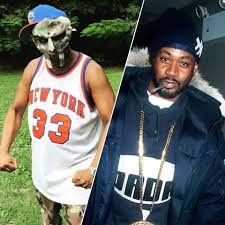
    When I look at it, I think the biggest factor that made this mentality or stereotype trend was just the fact that the black community didn’t see any of this as “cool” by any standards. It’s weird because even growing up I can say a lot of n*ggas loved stuff like Power Rangers, Dragon Ball Z, Batman, Space Jam, Freddy Kruger & Jason and Popeye but for some reason it could never turn into real life cool. Things like reenacting scenes, playing pretend, dressing up or doing cosplay was just seen as weird and loser-Ish. Even from those in the black community that were seen as cool couldn’t necessarily make enjoying and consuming it cool. I’m talking about the likes of Ghostface Killah who took on personas of people such as Tony Stark (Iron-Man) or MF DOOM who took on the persona of Dr. Victor Von Doom (DOOM). Both these personas are characters (hero & villain) from the Marvel comic book world and even though in rap they are considered some of the most highly skilled artists the comic book references and inspiration made people look at them like, “These guys are a bit weird or out there.”. Even with a show like The Boondocks, whose style was inspired by the anime style of drawing, it was a door into the world of anime but could never help the community cross the line and step into it.

    MF DOOM AND GHOSTKILLAH AKA TONY STARK

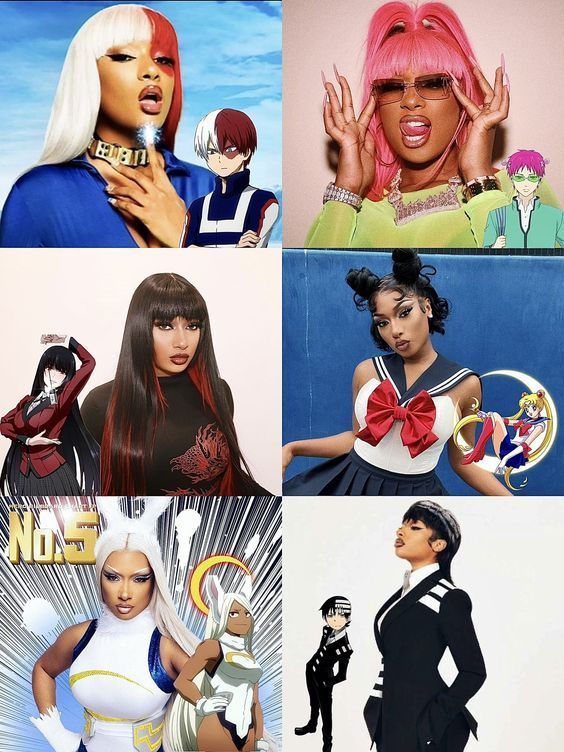
    We see how the fictional world has never been really to fully integrate itself within the black community. That was true until recently and we have Megan Thee Stallion & COVID to thank for this major transition. In 2019 just before the pandemic Megan Thee Stallion released her Running Up ‘Freestyle’ single and it had references to Dragonball Z’s Goku and Naruto’s Sasuke. This took the rap community and the black community by shock because as mentioned earlier, the fictional world was said to be for white men and now we had a black woman proudly and loudly referencing it. It was also a culture shock because the stereotype and stigma before then was that black women weren’t attracted to, interested or had any care for it so to hear an emerging super attractive woman rap superstar reference was something no one expected. Hearing this and then having COVID hit where people couldn’t go outside, the shows the public regularly enjoyed started becoming played out, platforms for streaming live gaming like Twitch came into popularity and just people having more time to discover new passions and hobbies, people started trying to give the fictional world a chance. The impact of the Marvel movie series also played a big role in that with movies like Black Panther that came out in 2018.

    All these factors combined came at the perfect time to cause a boom in the black community. It has always been said in hip-hop that wherever the ladies are the men will follow and the anime boom was a real-life example of that. With the Megan Thee Stallion references and her coming out on platforms like IG Live talking not just talking about anime but also cosplaying it opened the doors to other black woman who have always been into it but were overlooked because they were black women. It also opened doors to those who have always been curious but shy and to those who just love to follow trends. Once the men started seeing the women do it and find it interesting and even attractive, well…you know n*ggas, they jumped on the baddie bandwagon and went full steam ahead with it. This is not to ridicule or judge people but to show the impact that black women have on setting trends and shifting the culture for the benefit of all.

    MEGAN THEE STALLION IN HER DIFFERENT COSPLAYS

    I know we’ve all seen the shift and impact with more black women cosplaying and doing live gaming streams. The statistics in America even show that since 2020 that the black community has shown more interest into anime and more open to getting into it. It has been said that “Black Americans (18+) account for roughly 18% of the anime fan audience, despite being 13-14% of the US general population.”, and that, “23% of Gen Z anime viewers identify as black.”

    Now the one downside of the fictional world and that has always been a topic in the community is the sexualisation of the women who are in it. This is mainly from a character point of view because the costumes or outfits that they are portrayed in can be described as promiscuous, sultry and revealing. This has always been true and why even back in the day when women would dress up as their favourite anime, comic book, cartoon or superhero character they would be met with the previously mentioned labels or fetishised by the fictional community. It can be said the fetishisation comes from the fact that most men in the fictional community weren’t used to interact with women in the space and therefore came on too forward, strong and creepy. It could be said that living in a fantasy world and seeing those fantasy women in that world come to life in real women who are attractive triggers certain feelings and emotions, especially when it’s your fantasy woman cosplaying as your fantasy woman. Whatever the reason the sexualisation of women in the fictional and especially cosplaying space is real.

    It’s so real that women recognised a market and how to switch flip that fetishisation into profit. With the rise of OnlyFans in the same time women saw how they could add this niche of a fetish into their businesses and benefit off it. There are statistics out there that show women make up 98% of cosplayers on OnlyFans. This is not a surprise when already it is said, “That women make up a majority of cosplayers and some observations suggestion it to be at 66%.”. Beyond the fetishisation of it, these stats make sense as women are more open to playing around with fashion and make-up compared to men and expressing themselves through these artforms. We just need people to start recognising it as an art and not fetish to fulfil their fantasies.

    The world of cartoons, anime, comic books, superheroes, manga, science-fiction and fiction is vast and wonderful. It’s a place where fantasies and our inner children live. It’s a space that is meant for all whether black or white, nerd or jock. It’s just amazing how black women where able to bring a shift of popularity to something that has been going on for decades and one that had been discriminated from until recently. It just shows the true strength and power that black women have on culture and pop culture. Thank you to black women because what was once seen as nerdy is now dope and now my passions can be accepted as cool and not just “white men activities.”.

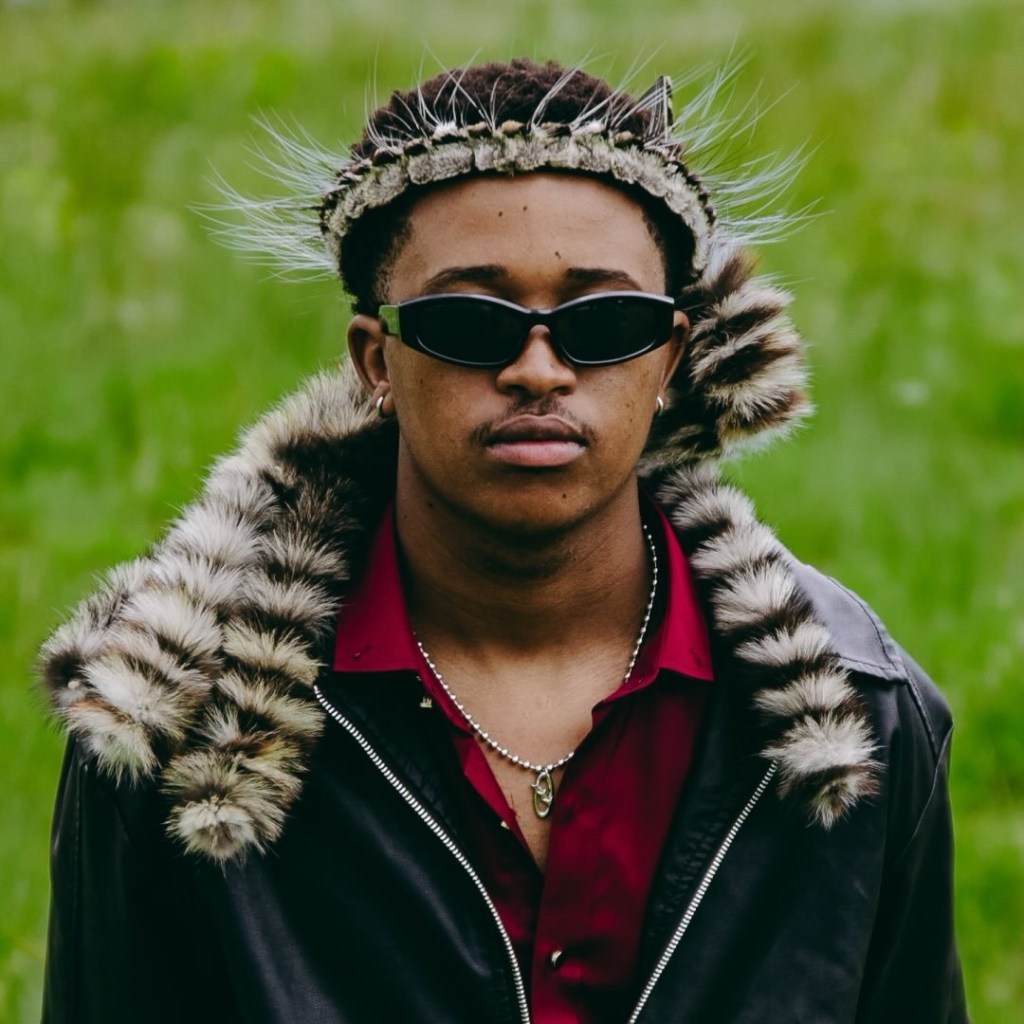
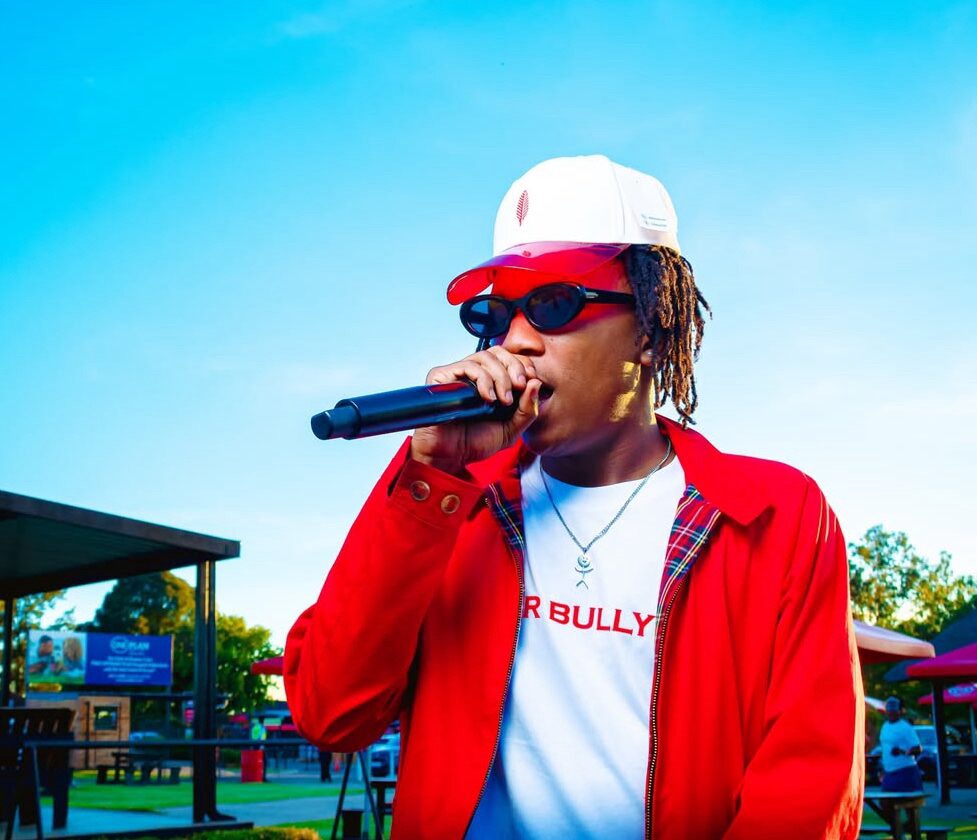
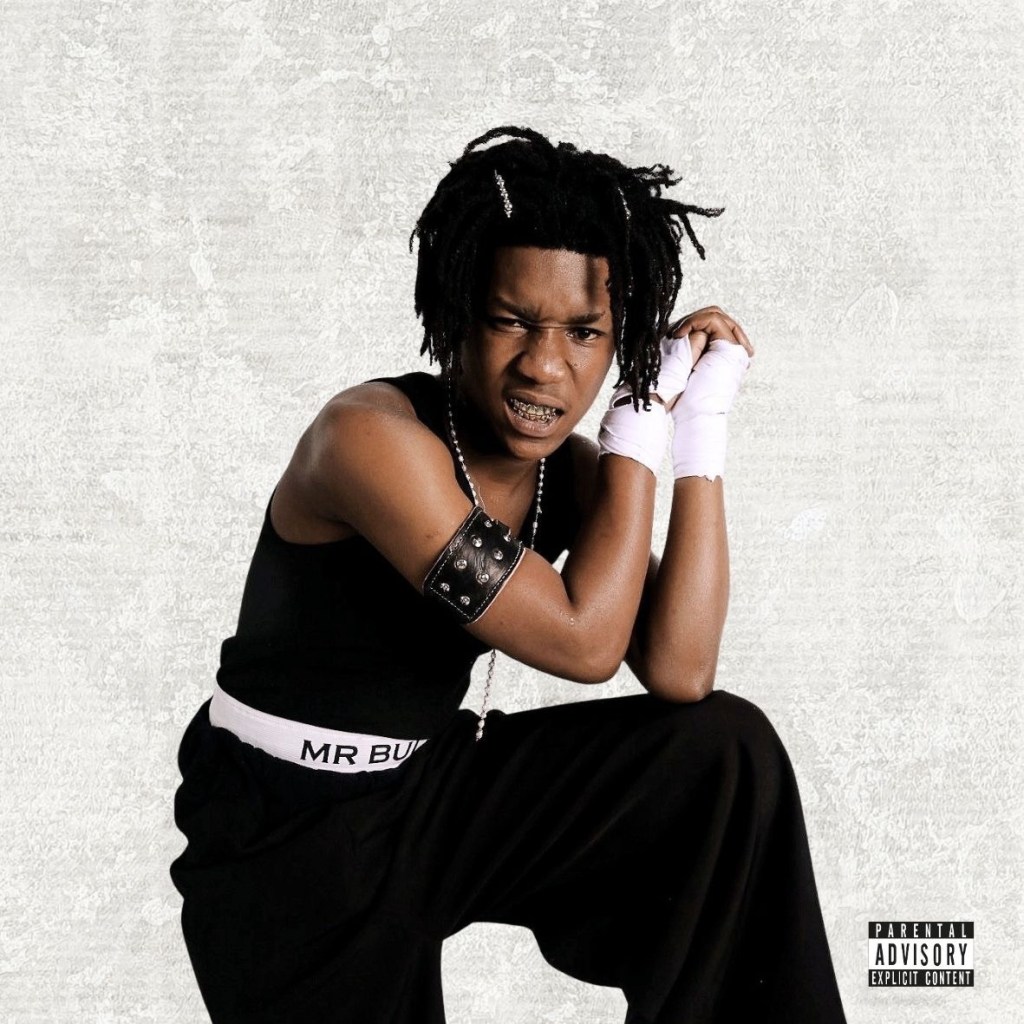
  • There’s a difference between making noise and commanding presence. With MR BULLY, LaCabra does the latter. This album is a bold statement of intent from an artist who understands exactly where he stands in the culture and where he’s headed.

    LaCabra’s journey has always been rooted in movement. As part of the Qwellers, he helped shape a pocket of South African hip hop that feels hungry again. It was less polished, more grounded, more fun. But MR BULLY is where that energy becomes personal. This is him stepping into solo authority, sharpening his voice and fully owning his identity. The “bully” here isn’t about intimidation but more about presence, dominance, and self-belief. It’s about walking into spaces that once overlooked you and moving like you belong there.

    That sense of evolution is felt deeply on “5AM in Swaziland”, one of the most striking moments on the project. The track leans into beautiful, layered harmonies that give it a reflective, almost cinematic feel. It’s softer in texture but heavy in meaning. LaCabra looks back at a time when people doubted him, when the vision wasn’t clear to others, and contrasts it with where he is now; literally in another country, eating caviar, living a life that once felt distant. The flex is calm, assured, and earned. The harmonies carry that emotion, making the song feel less like a victory lap and more like a quiet acknowledgment of how far he’s come.

    Elsewhere, “Isbhamu” shifts the tone in a different direction. In a space where violence is often glorified, LaCabra uses the track to speak against gun culture and its impact on communities. Instead of celebrating it, he reflects on its consequences, adding a layer of responsibility to the album’s overall message. It reframes the “bully” persona showcasing his awareness of the realities around him and willing to address them.

    There’s also a strong sense of self-recognition across the project, especially on “Shout Out to Me” with Nasty C. The track feels like a moment of pause where both artists acknowledge their journeys; the work, the hustle, the consistency it took to get to where they are. It’s not about external validation anymore; it’s about giving that credit to themselves. There’s something powerful in that, especially in an industry where progress often goes unnoticed until it becomes impossible to ignore.

    “The Vision” with A-Reece is another standout that captures the album’s tone perfectly. The production is smooth and effortless, creating space for both artists to glide. LaCabra brings in those signature harmonies again, adding texture, while A-Reece delivers a smooth braggadocio controlled, confident, and precise verse. The accompanying video adds another layer, moving through a montage of performance moments that highlight growth, presence, and momentum. It doesn’t try too hard to tell a story; it simply shows the journey unfolding in real time.

    Across the album, there’s a balance between ego and introspection. On the surface, MR BULLY is confident, sometimes confrontational, filled with that unmistakable “I’m him” energy. But underneath that is reflection, brotherhood, growth, and survival. By the time you sit with the project fully, it becomes clear that the term “bully” is armour, shaped by experience and used to navigate both the industry and life.

    LaCabra released an album that positions him as a leader of note. This is about owning your space, moving with conviction, and understanding that real power isn’t just about being loud but about what you stand for, what you’ve overcome, and where you’re going. Right now, he’s bullying his way into a seat at the table.

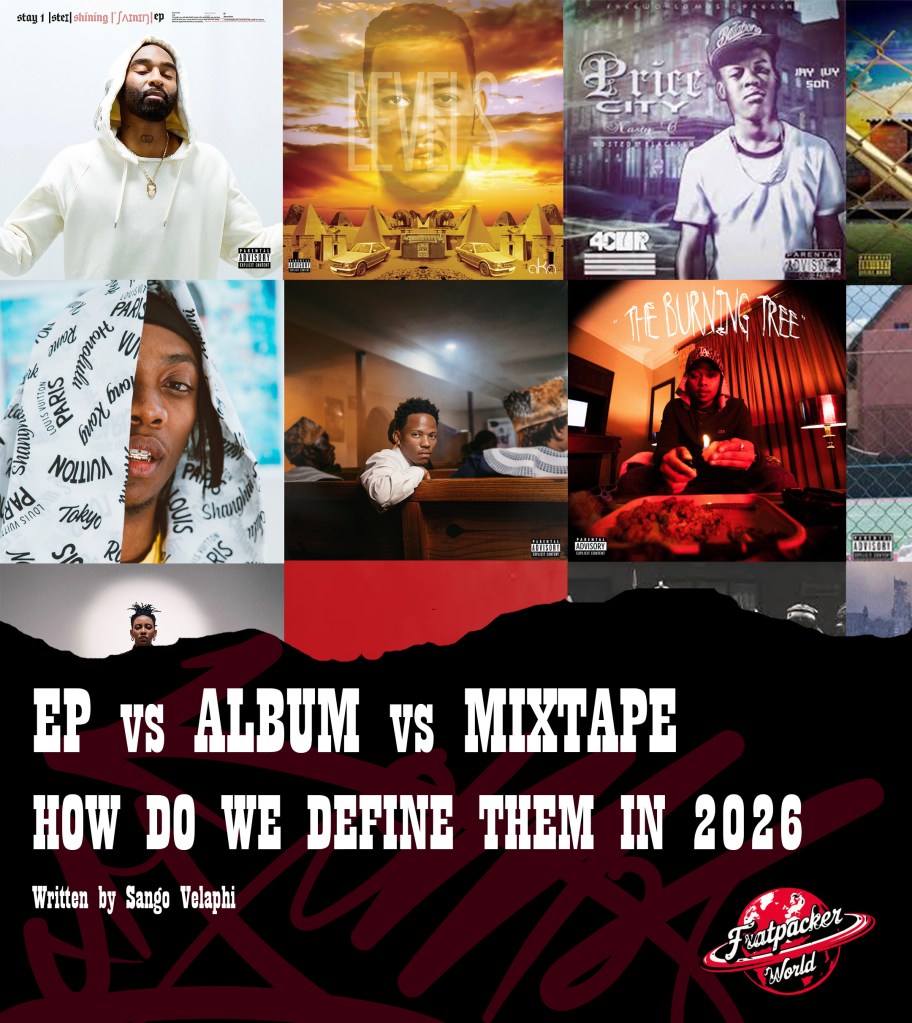
  • HOW DO WE DEFINE THEM IN 2026?

    Out of all the fields in art and entertainment, it has always felt and been documented that the music industry is really the wild wild west. An industry where they are so many loopholes, unspoken laws & broken laws, always needing to play the game and adapt, no uniformity within artists, labels, companies, and fans, and with the growth of streaming over the last ten years, things have gotten even wilder. One of the things that did have rules and was standardised was our definition of the products and art being presented to us. We all had some understanding of what makes something an EP, album or mixtape and the clear differences between them but today it’s like a free-for-all and anything goes but that’s not how it should be so let’s break it down.

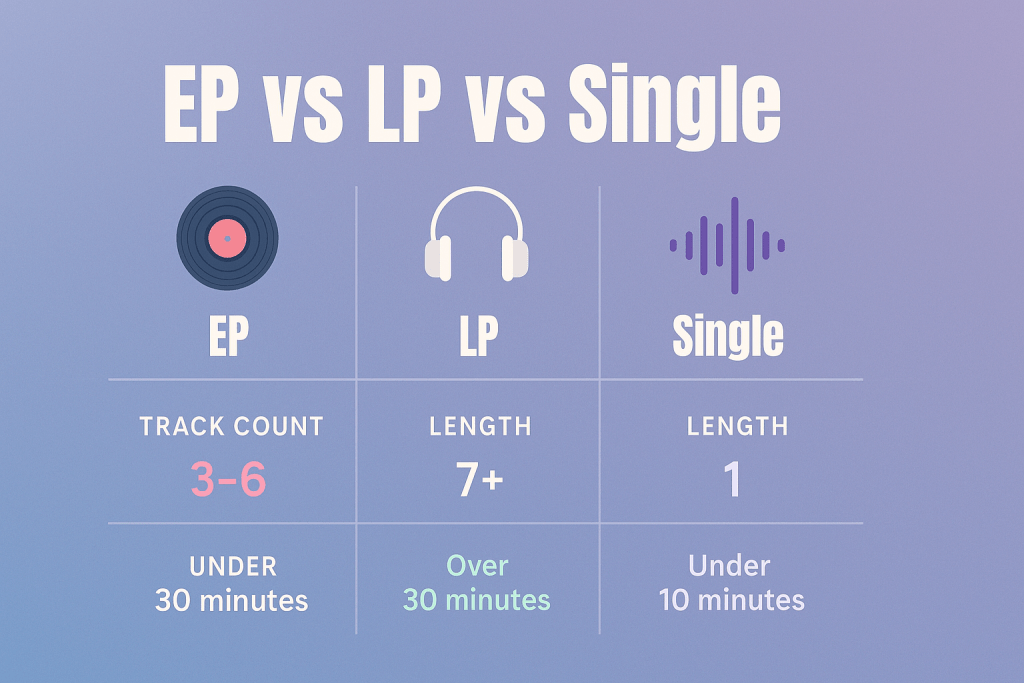
    Let’s start with looking at the technical definitions. The term EP stands for Extended Play. This was started in the 1950s due to the technological restrictions because artists were using vinyl’s to record with. They figured that they could extend the play of a single by featuring it 3-6 times on a vinyl. This usually included the single, instrumental of the single, acapella of the single, a live version and sometimes a remix. This was a way to go around artists and record labels having to spend money to release LPs (Long Plays) or album. It was defined then that an EP is anything that is 15 – 20 minutes long and then around the late 1990’s – Early 2000’s it extended from anything between 15 – 30 minutes total, while an LP was defined as anything between 30 – 60 minutes total.

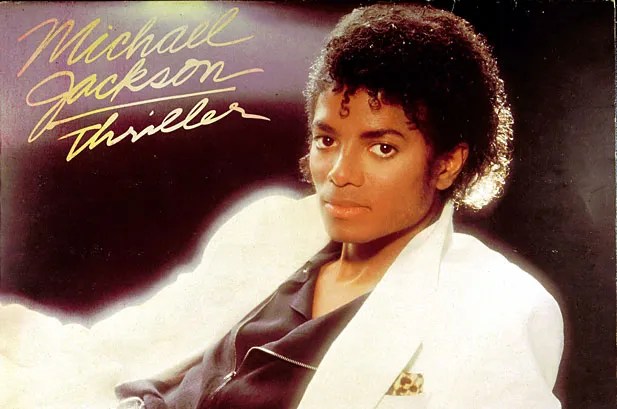
    This definition is important to note because most people usually base what they consider an EP or an LP on the number of songs on the disc. You could say that the consensus amongst the music industry is an EP is anything that has 4-6 tracks but are around 3-7 tracks. Then with an LP it would be 8-15 tracks on the record. This was a widely practiced and you could say standardised method worldwide. We saw this from most global superstars following this format. Micheal Jackson’s Thriller was only 9 tracks long and his Invincible album being the longest with 16 tracks. As people always have them in comparison, figured I might as well, but Prince was the same with Purple Rain having 9 tracks and his highest track count being 16 on his Sign ‘O The Times album. That being the case Purple Rain run time is 43 minutes and 55 seconds and Thriller is 42 minutes and 16 seconds long. This was the norm in the past and recent past until streaming came along.

    Album Cover of Michael Jackson’s Thriller

    There was already a stigma that the music industry is a lawless place with no real rules and regulations put in place. When the streaming era came in it just made everything worse, but you can read on that in my Rage Against The Streams article. One of the points I raised in the mentioned article is because of streaming rules and payouts, artists and labels have taken the route of making shorter tracks to accumulate more streams. What was once an unspoken standard of tracks being an average of 3 minutes long suddenly took a turn, and the new standard became 1 and a half minutes – 2-minute-long tracks. This just didn’t affect single tracks but as well as projects and how we address and label these projects and body of works.

    I’ll use one of the most recent releases that had received high public praise. I’m talking abut Willow Smith’s Black Petal Rock album. The album released 17 February 2026, about over a month ago. It contains 12 tracks, which in length of tracks would be album or LP standard. The problem comes in where these 12 tracks only accumulate to 26 minutes and 22 seconds of music. That is an EP, just a 12 track EP. The first thing we must look at is how are we redefine the terms and conditions of music, what previous titles used to mean and do we not care about keeping up these standards and history of music. The second thing we must look at is are we getting cheated and robbed as the consumers. Receiving 26 minute “albums” where a song is 2 minutes and 15 seconds on average. I saw this because the third thing I look at is the past and how Micheal Jackson and Prince could give us 9 tracks but feed us for 40 minutes plus of music. We’re not just being robbed as consumers, but the art and craft of music and recording is being cheated. People aren’t investing as much time, money, effort, and talent into creating body of works we can live with throughout our lives and create historic moments for us to always run back to.

    How EPs, LPs (Albums), Tracks Are Defined

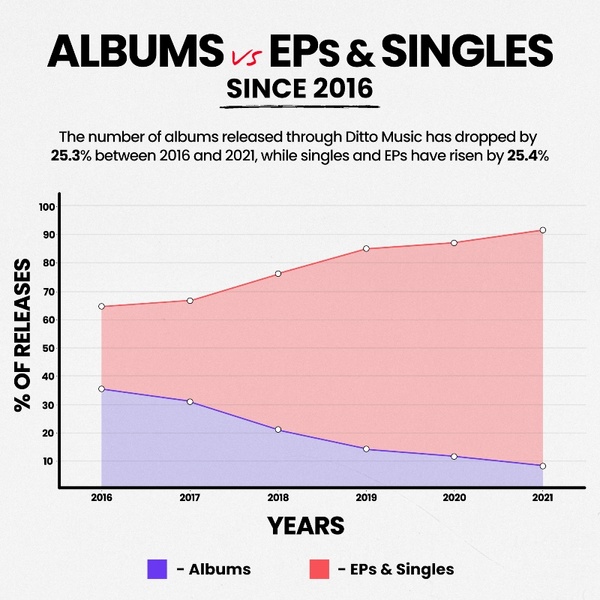
    I use this as just a general example of how music has been shifting and why conversations of, “What is an EP and LP in our modern era?,” have been based on. We’ve even seen some artist split their albums into separate EPs to get more streams than just release the album as a full LP. One genre that doesn’t seem to be having this problem as much, in terms of projects because the singles are a problem, is hip-hop.

    I say this because with hip-hop we are still seeing artist give us 35 minutes plus of projects but with regards to the tracks we are the leaders of the 1 and a half minute tracks but we not getting into that for now. I want to look at the fact we are getting these lengthy projects in time which is beautiful but the ugly comes in with the number of tracks being put on to get to that length. I’ve noticed that we are regularly getting 16 – 20 tracks projects and that’s a lot of music. Too much music. It makes it hard to have a great album or classics because I believe a classic means that about 80% of the tracks on the album having to be great, whether lyrically, sonically or spirituality. It becomes harder when you have so many tracks on the album. I blame the mixtape for this type of thinking and system that has been implemented into the culture.

    The origin of the mixtape comes from artists not having the financial backing or capital to get there tracks mixed and mastered, or tracks that they didn’t think were album worthy and never got mixed and mastered but still wanted them to be released. Hence the name Mixtape, a tape with a mix of unmixed tracks. We know hip-hop has always been making the most out of nothing and why we invented the mixtape. The mixtape became modernised when artist realised, they could use it to release tracks that they never got sample clearance from or tracks where they were rapping over instrumentals from other popular tracks from different artists. This trend took the mixtape popularity to a new level in the 2000s and it became a standard that you needed a fire mixtape to prove you are one of the best. Now because the mixtape was just meant to be a mix of songs to just put out for enjoyment, they were pretty length track wise usually having about 20 tracks minimum.

    Data Research On EPs v LPs in 2021 from DITTO

    Now because the black community and especially in hip-hop never really had the funding and backing like that, it makes sense why a hip-hop artist would want to put out everything in one album with not knowing if the opportunity would come again and with the same level of investment. While I can understand the thinking, I don’t think it has helped achieve the top level of musicality potential we have. It’s why the classic album conversation is always tough because a lot of cults classic but not a lot of public classics and that’s honestly because the albums were mixtape length. When we think classics we think Nas – Illmatic, Jay-Z – The Blueprint, Kendrick Lamar – Good Kid M.A.A.D City, as a consensus. These are albums that are 10 – 14 track long albums. There is something we as a culture and music can learn from in making albums with intention and patience to get that perfect flow state of 10-14 tracks and that doesn’t feel like an overload of music. This has also caused a problem on how we define what’s an album and mixtape as well. We can’t even redefine it because everything is being mixed now so the length of project would be the define factor, but we can’t use that right now so now we stuck in the limbo of album vs mixtape.

    In conclusion I know as artists and creatives we hate being boxed-in or defined, as we feel it restrictions but the opposite side of it is that it gives us intention and meaning. Knowing what something is and how it should be helps you adjust to purposefully carry out the plan and mission with intent. Whether it’s intent to execute according to the letter or to disrupt the system, we can understand what your goal is. With no definitions we are all just wandering about aimlessly trying to figure things out and with no answers or solve in place for us. Let us define the music again and what it means to us before it starts to mean nothing in the greater scheme of things.

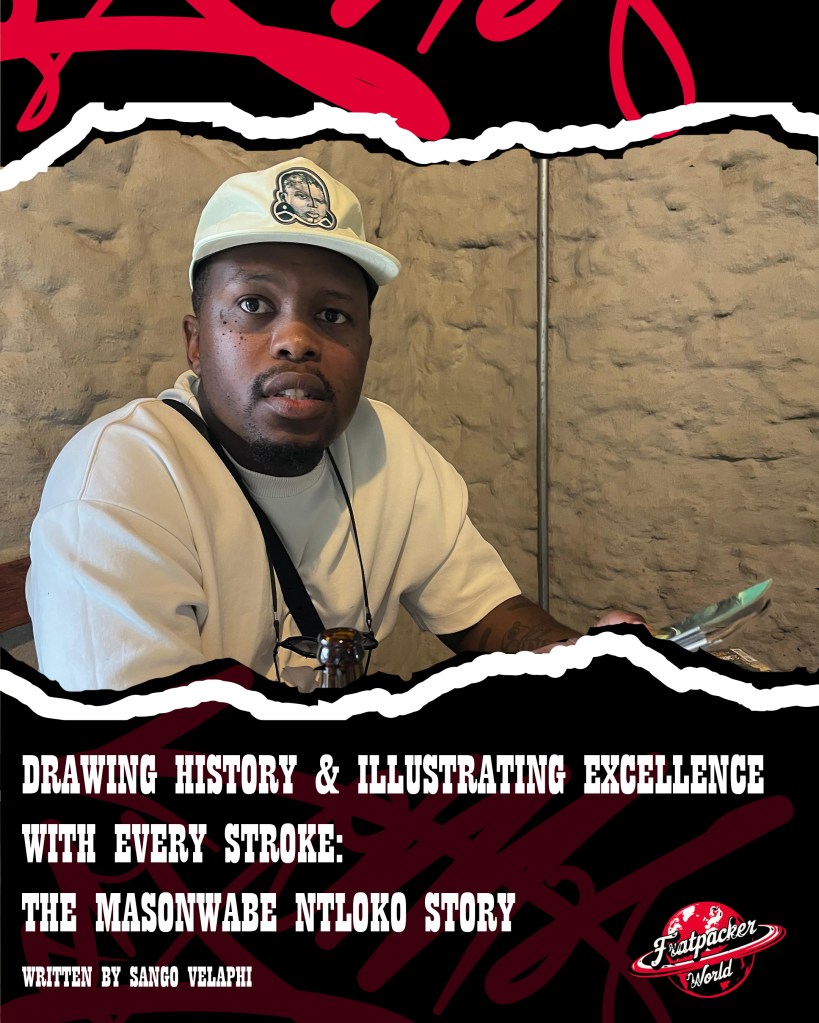
  • THE MASONWABE NTLOKO STORY

    When people say fine art and especially into regards with the painting community, the images of black faces is not the first image or thought that comes to mind for most people. We usually here of stories about black artists either being blackballed, stolen from or shunned from these communities and spaces. The beauty of social media has been the access to discovering such artists and not having the usual barriers such as access to infrastructures like galleries and museums for people to showcase their work. Now, we can support and circulate the work within each other as our own community and build our own fanbases but at the end of the day traditional and physical keypoints still help. One artist who has been able to imprint black faces into the art world, our minds & hearts, online and within galleries and museums is South African artist, Masonwabe Ntloko.

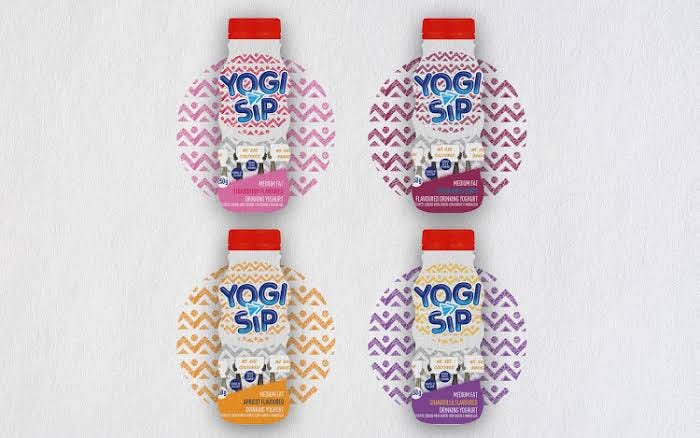
    Masonwabe Ntloko was born 1996 in Ngwane, Willowvale. Inspired by the culture and people of the place he grew up in he decided to study Textile Design at Nelson Mandela University, graduating in 2018, and through his studies he has been able to build a distinct visual language that aims to preserve isiXhosa language and heritage. Right after graduating he wasted no time putting his skills and passion right to work. He entered a Yogi-Sip competition in 2019 that he won and through that he was able to start his own studio and so the Masonwabe Ntloko Studio came to life. The competition was the country’s introduction to Masonwabe and his work with there being four bottles printed with his designs that were sold nationwide in 2020. The partnerships didn’t end there with Masonwabe. In 2021 he collaborated with Markham by TFG [The Foschini Group] on a capsule collection that was well received nationally. Later that year he partnered with Airloom Decor to create the rug collection titled ILIFA LETHU which took South Africa by storm. After three drops the partnership ended. Through this experience and seeing the reception of his art and collections, Masonwabe decided to end his run of partnerships and focus on building his own independent brand to create his own community and fanbase of loyal buyers and collectors to sell to.

    The Masonwabe Ntloko x Yogi-Sip Collection

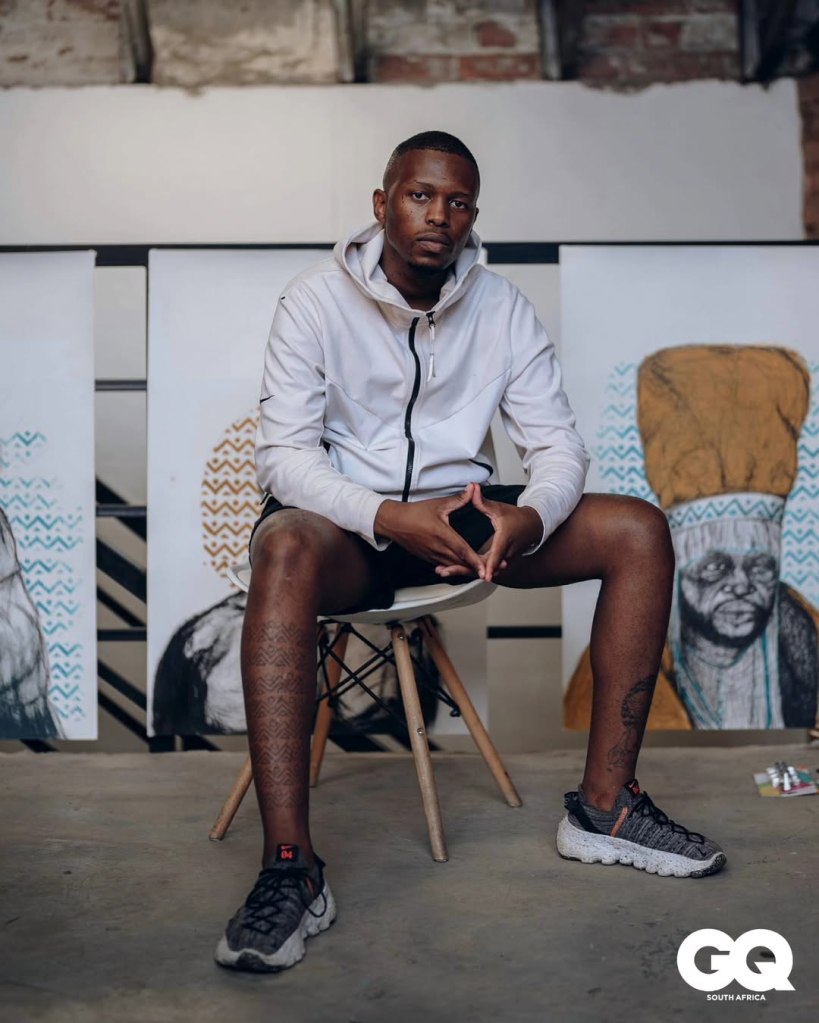
    Masonwabe’s last collaboration came in 2022 with Warner Music Africa by rebranding the entire company. He has since released a knitwear collection in 2023 titled AMEVA AYABANGULANA and continues his beloved ILIFA LETHU rug collection with the latest drop in 2025. He also hosted a sold-out solo exhibition independently of his paintings in 2023 titled ILISO LOMOYA. He’s been featured on magazines such as GQ for his work as well.

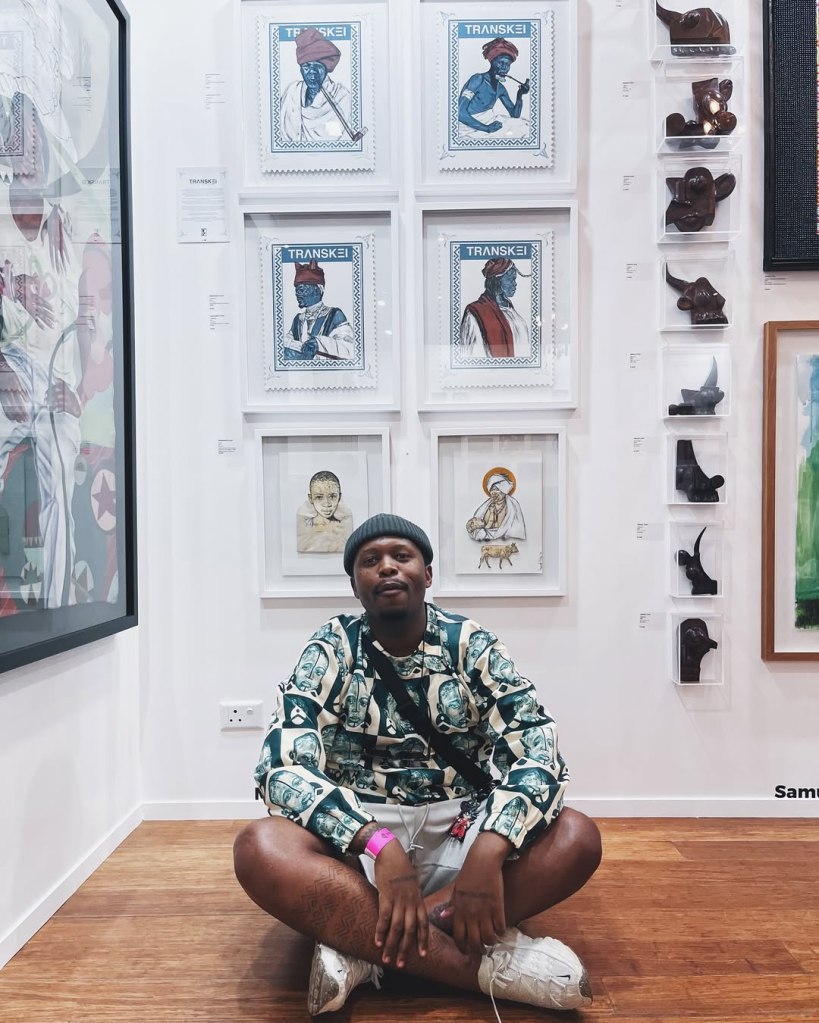
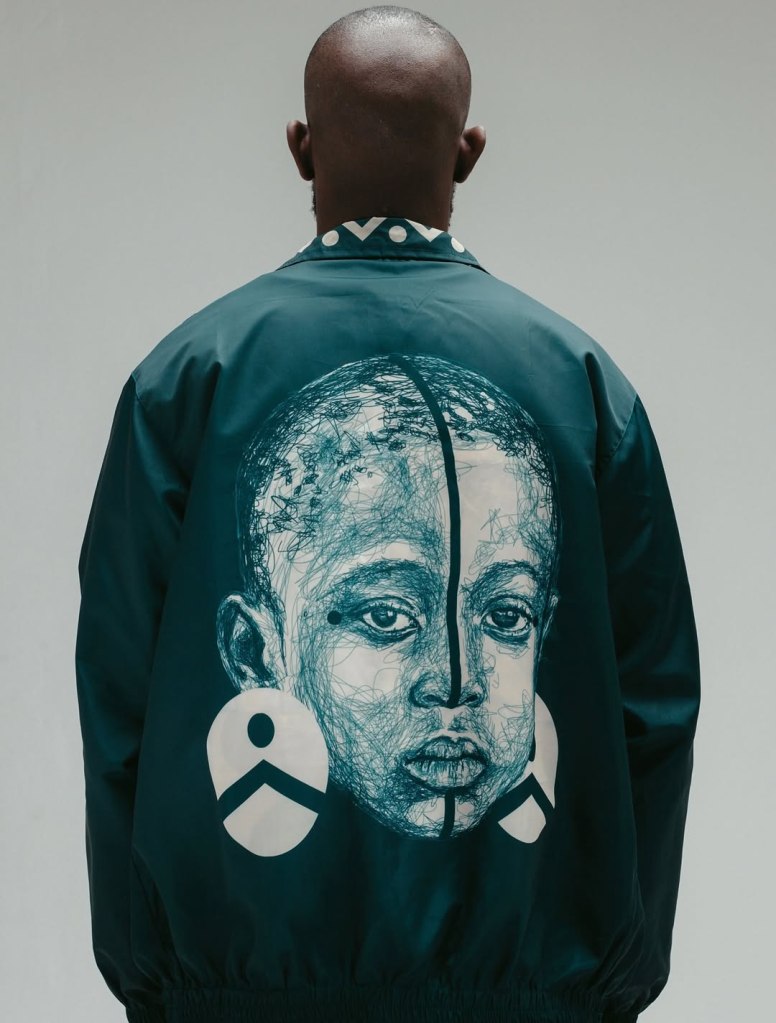
    At the end of 2025 Masonwabe unveiled a capsule clothing collection and has released several limited editions print collection along the way. Through his multidisciplinary practice Masonwabe Ntloko continues to explore the intersection of culture, identity, and design establishing a body of work that is personal, innovative, and deeply rooted in the heritage of his upbringing. Masonwabe has also showcase in group exhibition with galleries such as Origin Art Gallery, BNAP Foundation, World Art Gallery, he has also shown some of his work at the Latitudes Art Fair 2025, with some of his work currently in the University of Pretoria Museums. Masonwabe has also had an opportunity to showcase some of his work in Brussels with Limani Gallery at the Belfius Bank. Masonwabe works in mediums: digitally (for designing), fine liner and acrylic on paper for paintings but we now that we have the canvas that is Masonwabe Ntloko, I’ll be the brush as he paints the self-portrait of his background.

    Masonwabe Ntloko on the Cover GQ Magazine South Africa

    INTERVIEW WITH MASONWABE NTLOKO

    What colour would you paint the town?

    Why does the town need to be painted? I am fine with the picture. I think we are so self-obsessed with our value because we think people should share the values we have. I’m not the president, the only people that should suffer for my consequences are my kids. Everyone else I should not be making decision for people.

    You paint portraits are these real figures or just people you envision?

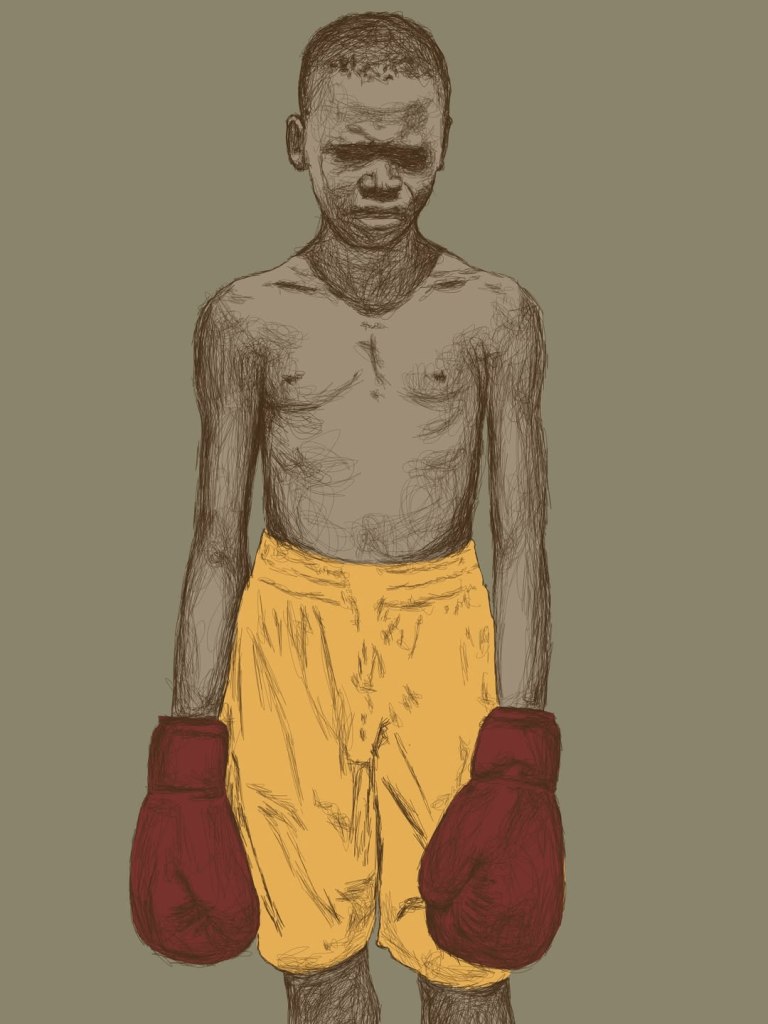
    It’s a bit of both. I paint sometimes. How I started drawing was because when I was younger, we knew you could draw f you could draw a person so that’s the base I judge myself on. Reference is a big thing drawing celebrities and soccer players. I started drawing people from the internet but I started wanting a certain look and certain feel, so I started shooting images so that it became real and professional work. It’s everyday people and sometimes I add imagination into it if I want certain details or features changed. Few time it’s off the dome.

    What’s the self-portrait you would paint for people to get to know you?

    If I just draw me in my everyday clothing with my style that’s me. My work is a true reflection of who I am. The work itself is me. Even if I’m drawing the most urban person because the style lends its self to tradition and culture you’re still going to look at it as blackness and Africanness. It would just be me wear what I wear on a daily basis using my style.

    Masonwabe Ntloko In Front of His Latest Transkei Collection That Was Acquired by The University of Pretoria Museum.

    Why did started you on the path of illustration and painting?

    I think, I’ve always known this is what I wanted to be but were I grew up we didn’t access to the information and knowledge to these things. From when I knew I could draw I knew I wanted to this for the rest of my life. You get to varsity and the one question you have to ask yourself is what do you want to be remembered for. I wanted to be someone who can say that my people could see themselves in but could also access and that birthed the style and identity of the artists that you see and experience today. Also I released that I came from a very rich background in knowledge on blackness, culture, isiXhosa. When I started meeting people I realised people didn’t have these same experiences as me but still wanted a space where they felt they belong so I’m an entry point to understanding the blackness and culture from an artistic lens.

    What is your relationship with hip-hop?

    I say that the two things that are the reason I am who I am today in the creative space is hip-hop and Dragon Ball Z. The first time I saw people drawing was cartoons with weird spikey hair, first time I saw myself in an artform is hip-hop. I’ve been listening to hip-hop since 2007 I was eleven. My older brother [cousin] left a white cd with gang hip-hop music and he loved Eminem, but I didn’t really feel it like that. In this CD there was The Game’s Doctor’s Advocate, Rick Ross – Port of Miami, Jay-Z – American Gangster, Kanye West – Graduation, Eminem- Eminem Show, G-Unit Beg For Mercy. I started listening to the CD he left behind and once I got into the Kanye West album and Bittersweet took me away and at the same Stronger music video comes out and how the background of the video and song came together. I hear about the Atira movie and hip-hop opens this weird world where I’m exposed to knowledge because every time a rapper does a reference I want to know about it and that increased my love for research. Where example they say Micheal Jordan game seven, but what does it mean? I wanted to involve myself in the conversation but with understanding. It became something I could see myself in. There was a look, a sound, a feel and all the touch points that it had were the ones to which I could relate. I could see a future me in this artform even though not being a rapper but the self-confidence rappers had is something I could see in myself and encourage me to be the black king I am.

    Modelling the Latest Masonwabe Ntloko Capsule Collection Released in October 2025


    How does hip-hop influence your work?

    It influences my work but not in the way you think it does. My rollouts are based on music. The beauty of not hearing an album before the day drops is how I present my work. So, a lot of my rollouts I can always tell you whhc album inspired it. I operate just like artists would, but I tweaked it because as much pre-roll out is important so is post-roll out. I noticed a lot of musicians fall in that area where the goal is to purchase the music but what about the following after? Hip-Hop taught me taste because a lot of the references are high-end fashion and art just like Pharell would reference Nigo or Kany makes an album cover art by Josh Jundo or Clipse’s makes an album and the cover is made by KAWS. You know about Jerry Lorenzo because of what he did next to Kanye West, so a lot of my understanding and taste of the world came from hip-hop. I make this joke that you cannot be a great graphic designer if you do not listen to hip-hop because of the taste, it teaches you. You need to know culture, and you will be able to see it through the work. Our understanding of fashion comes from what Roc Marciano is going to wear, even in terms of smell. Hip-hop taught me a lot about presentation because hip-hop artists took rollouts and album covers seriously and made references that made us want to know more about the world of art beyond the music.

    What are the hip-hop album covers that you worked on that people don’t know about?

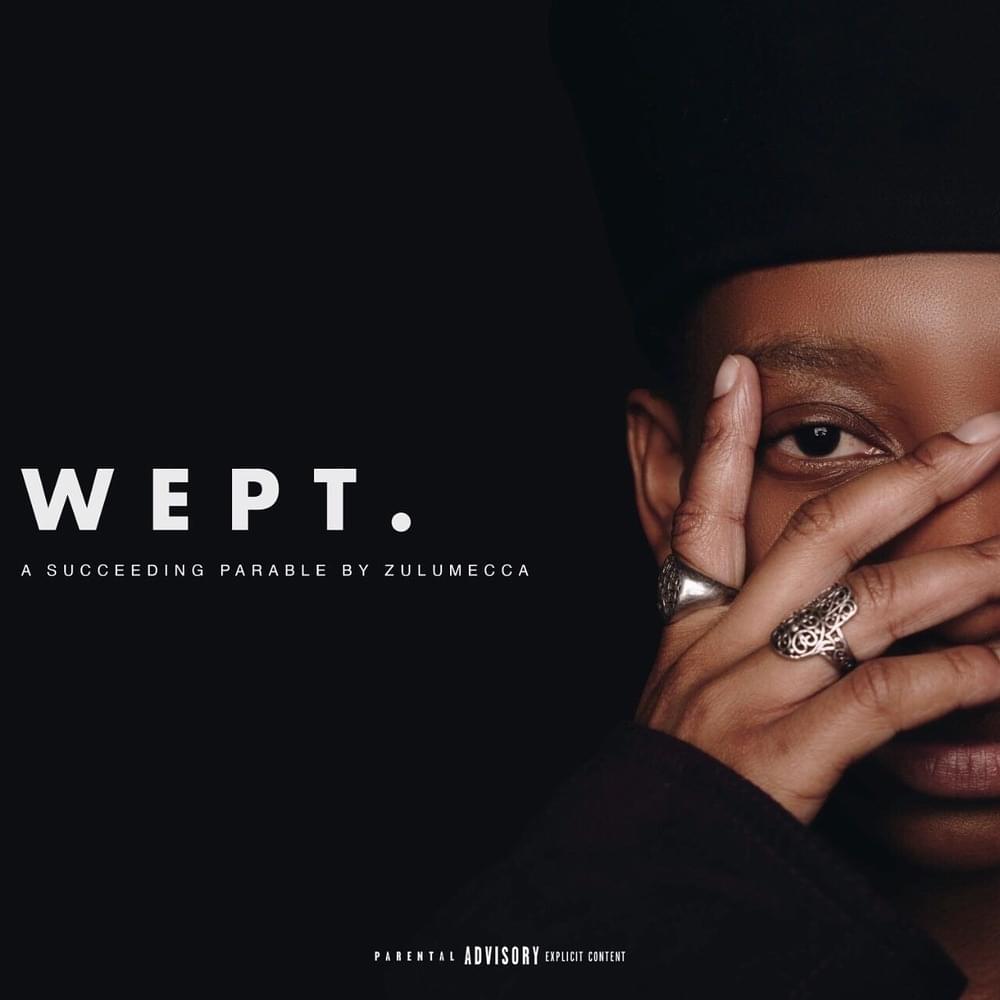
    I worked on Zoocci Coke Dope’s – Anxiety the first one, I shoot that on my iPhone 6S. I did his Anxiety Plus as well. I did 25K’s- Pheli Makaveli, the whole rollout. I did Zulu Mecca, two EPs Fable & Wept, and some singles on the EPs. I am trying to remember now because it was so long that I struggle to remember and don’t really think about it PH-Raw – Sense, Experience & Eqiouto. Cassper – Good for That. Cassper – Amademoni. Then I have some jazz and house ones. Simphiwe Dana – Bamakho, Jimmy Dluldu- History in a Frame, De Mthuda – The Landlord. Songs that became hits, De Mthuda – Emlanjeni, Njelic – Wamuhle, Every DJ Stokie album until Soke S’bone.

    ZuluMecca’s WEPT EP Cover designed by Masonwabe Ntloko

    As someone who’s work is heavily influenced by their culture what do you think of South African Hip-Hop and its infusion or lack of our cultures?

    I can speak from a fan’s perspective, but when I speak form a fan’s perspective it’s not to push people to do things a way. So, my opinion is not how people should do things, but I do think what hindered it’s growth was its falling back of adding its blackness to it. A lot of our success stories are very much based on people being unapologetic themselves. What people need to start realising that music is really universal so language and inspiration is not much of a barrier as you think it is. When you listen to Afro beats you can tell what influenced but you made it your own. So, I think what’s happening right now is that what became the mainstream. I would love to ask Cassper of him wearing Mr.Price was intentional because it made a lot of people feel relatable to him. AKA rapped in English, but the music sounded South African. Lord Kez AWE is a good example because it’s R&B but with South African influenced in it. This is something Sjava does well and why he’s so big. Do what’s right for you but from a fans perspective I want to see a lot of me in the art and where I come from.

    If aliens had to come and see our world what is the picture you would paint for them?

    Interesting question. I think I would make sure that the subjects in the world is black. I believe a lot of what’s great with the world is rooted in blackness. I would want them to know how great and amazing black people and culture is. It would be heavily influenced by myself and a lot of the lifestyle I live. I wouldn’t be trying to teach them everything but what they would be able to take away from the artwork I the love and passion I have for my people and might not be great lesson to teach to aliens but hey it’s MY artwork at the end of the day.

    As a real life X-Man which X-Men would you describe a yourself as?
    MY favourtie has always been Wolverine for obvious reasons. The reason I’ve always seen myself as Wolverine is because the ability to fight every day for weather what you believe in, what you stand for, the life you want for yourself is something I’ve found admirable. Also, the ability to find yourself to live through all eras because he is like hundreds of years old and it’s such a beautiful thing because you experienced the world. His inkani [hard-headedness] of looking at a situation and knowing you not going to win but you still fight and find a way to win is admirable. I know it sounds like a safe answer but I am not Mystique I do not blend in and I’m not trying to. I’m not Jean Grey I’m not gifted from birth, a lot I had to work on and I didn’t tart out the best but as much as you try with heart, passion and putting in a lot of work you become the best and create the things you’ve always wanted to see come into real life.

    Masonwabe Ntloko’s Latest Drawing/Illustration on Instagram

    THE END.

  • After a period of relative quiet from one of pop music’s most consistent hitmakers, Bruno Mars has officially returned and he’s back at the top where he belongs. His latest album The Romantic has already shot straight to number one, reminding the world that when it comes to timeless songwriting and irresistible melodies, Mars rarely misses.

    The album feels like a confident return to the lane that made Bruno Mars such a global force. It’s big emotions, massive hooks, and songs that feel tailor-made to live forever on radio and playlists.

    One of the early standouts is “Chacha.” The record is pure ear candy the kind of infectious, replay-worthy song that Mars has mastered over the years (it’s definitely going to kill at karaoke parties). It’s playful, rhythmic, and instantly memorable, proving once again that Bruno has an almost unmatched ability to craft pop records that feel both effortless and meticulously engineered.

    Then there’s “Risk It All,” a record that will instantly transport longtime fans back to the emotional intensity of his earlier work. The song carries a familiar weight and vulnerability that echoes the spirit of his classic ballad Grenade. It’s dramatic, heartfelt, and delivered with the kind of vocal conviction that only Bruno Mars can pull off.

    Another highlight arrives in the form of “Why You Wanna Fight,” which leans fully into the album’s romantic core. The song feels like a true lover’s anthem. Why fight when you can make love is the crux of the song. The song is soulful, and dripping with the kind of sincerity that reminds listeners why Bruno has always excelled at writing about love in all its complicated forms.

    Taken together, The Romantic is exactly what the title promises; a celebration of love, vulnerability, and emotional honesty wrapped in Bruno Mars’ signature pop brilliance.

    Warner Music Africa recently gave fans and tastemakers a chance to experience the project early through a beautifully curated listening session. The evening was less of a typical industry playback and more of a vibe — an intimate celebration of the album’s mood and energy.

    Adding to the atmosphere was a slick Don Julio activation, elevating the entire experience and giving the night a premium feel that matched the elegance of the music itself. It was one of those events where music, culture, and lifestyle intersect seamlessly.

    With The Romantic, Bruno Mars proves that even after stepping away for a while, his formula for making timeless music remains untouched. The melodies are undeniable, the songwriting is sharp, and the emotion feels authentic.

    In a music landscape that often moves at lightning speed, Bruno Mars reminds us that romance, melody, and great songwriting never go out of